Key facts
- Ukraine's cabinet of ministers decided on July 1 to create a national pantheon memorial complex.
- The proposed location for the pantheon is the Kyiv Pechersk Lavra.
- President Volodymyr Zelensky submitted the bill to Parliament on June 28.
- The initiative is inspired by the Pantheon in Paris, serving as a mausoleum for notable citizens.
- The Ministry of Culture will consider heritage protection and international obligations when finalizing the location and design.
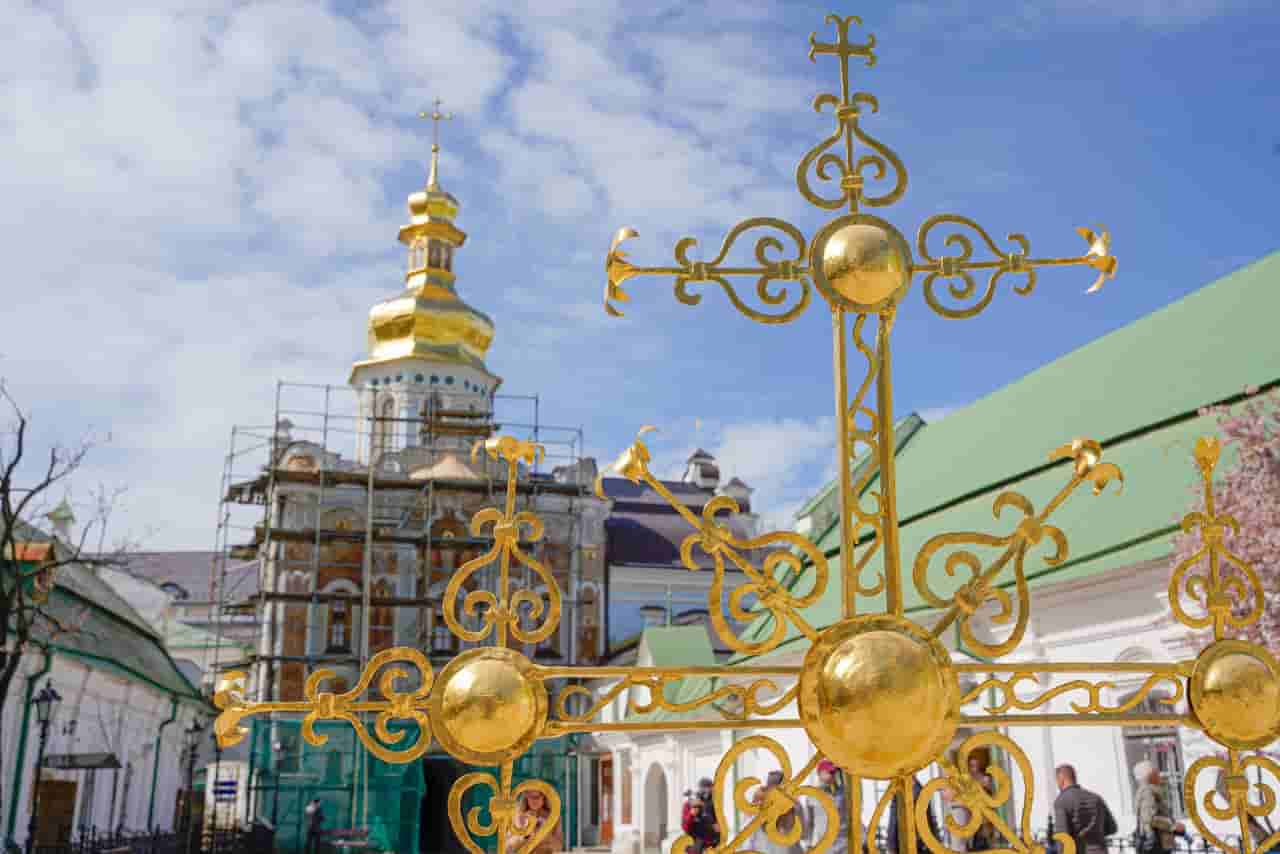
Ukraine's government has approved plans to establish a national pantheon memorial complex on the grounds of the historic Kyiv Pechersk Lavra, a move that has been in discussion for over three decades. The decision, made by the cabinet of ministers on July 1, aims to create a space honoring individuals who have significantly contributed to Ukraine's statehood and national identity, drawing inspiration from the Pantheon in Paris.
President Volodymyr Zelensky submitted the relevant bill to Parliament on June 28, and its subsequent approval was celebrated by Ukraine's Institute of National Remembrance. The choice of the Kyiv Pechersk Lavra, described by Metropolitan Epiphanius, head of the Orthodox Church of Ukraine, as one of Christianity's holiest sites, links the pantheon to a profound spiritual and historical location. This follows an incident on June 15 where the Lavra's Dormition Cathedral was damaged by fire during a Russian attack, prompting comparisons to the Notre Dame Cathedral fire in France.
The Ministry of Culture is tasked with ensuring that the final location and design adhere to restrictions for cultural heritage protection and international obligations, and will oversee an architectural competition. The announcement comes amid strained relations between Ukraine and Poland concerning the commemoration of historical events from World War II, with some Ukrainian nationalists being considered for inclusion in the pantheon. Foreign Minister Andrii Sybiha visited Poland on July 3 to propose dialogue between ministries, historians, and religious leaders to de-escalate tensions.