Key facts
- The Netherlands will host a special tribunal to prosecute Russia's leadership for the crime of aggression.
- The tribunal is modeled after the Nuremberg trials.
- The decision aims to hold senior political and military figures accountable for initiating the war.
- The Netherlands was the only country to offer to host the court.
- The EU is funding preparatory work for the tribunal.
- 36 countries and the EU have adopted the agreement for the special tribunal.
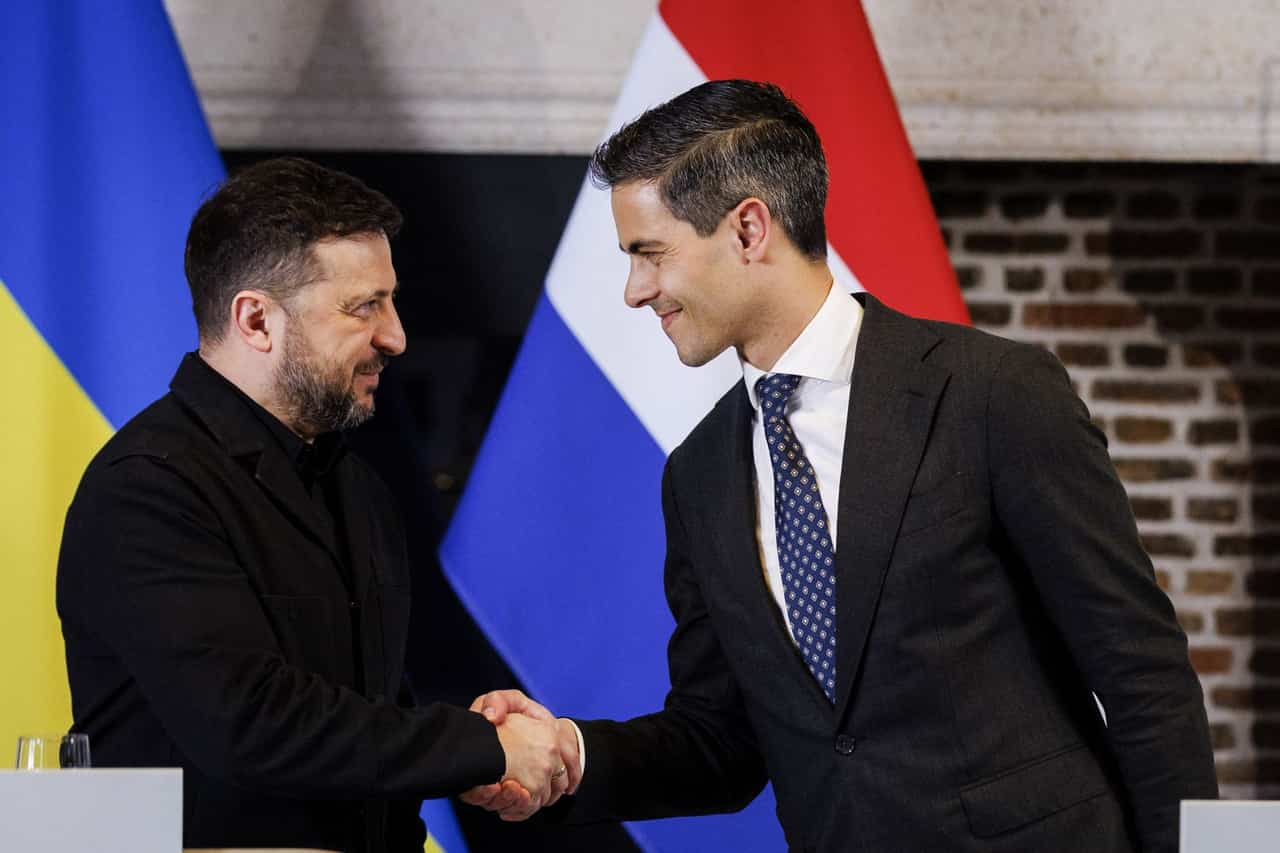
The Netherlands has confirmed it will host a special tribunal dedicated to prosecuting Russia's leadership for the international crime of launching a war of aggression against Ukraine. Prime Minister Rob Jetten announced the decision following a call with Ukrainian President Volodymyr Zelensky on July 3.
This tribunal is necessary because, while other courts can handle most war crimes, no existing legal entity is authorized to rule on the crime of aggression itself. This specific charge, first used to prosecute Nazis after World War II, requires a dedicated judicial body.
"The Russian aggression against Ukraine cannot go unpunished. That is why we need to establish a special tribunal," Jetten stated on Twitter. Zelensky expressed gratitude for the Dutch decision, noting it would allow for accountability specifically for the crime of aggression, not just its consequences.
The Netherlands was the sole country to offer to host the court, and its selection is fitting given that The Hague is already home to the International Criminal Court and the International Court of Justice.
In January 2026, the European Union began providing funding for preparatory work for the tribunal. This work is also based in The Hague, where a Register of Damage caused by Russia is being maintained to support future Ukrainian compensation claims.
Jetten's announcement included a caveat that the Netherlands' hosting is "subject to certain conditions." The Dutch government's decision document highlights concerns about the potential for the Netherlands to bear a disproportionate share of initial and ongoing costs if not enough participating countries contribute.
However, these financial risks are being mitigated. The EU's funding for preparatory work already addresses some start-up costs. Furthermore, 36 countries, along with the EU itself, formally adopted the agreement for the special tribunal at the Council of Europe summit in Moldova on May 15, signifying a commitment to share the costs. The Ukrainian government anticipates that the special tribunal will be fully operational by 2027.