Key facts
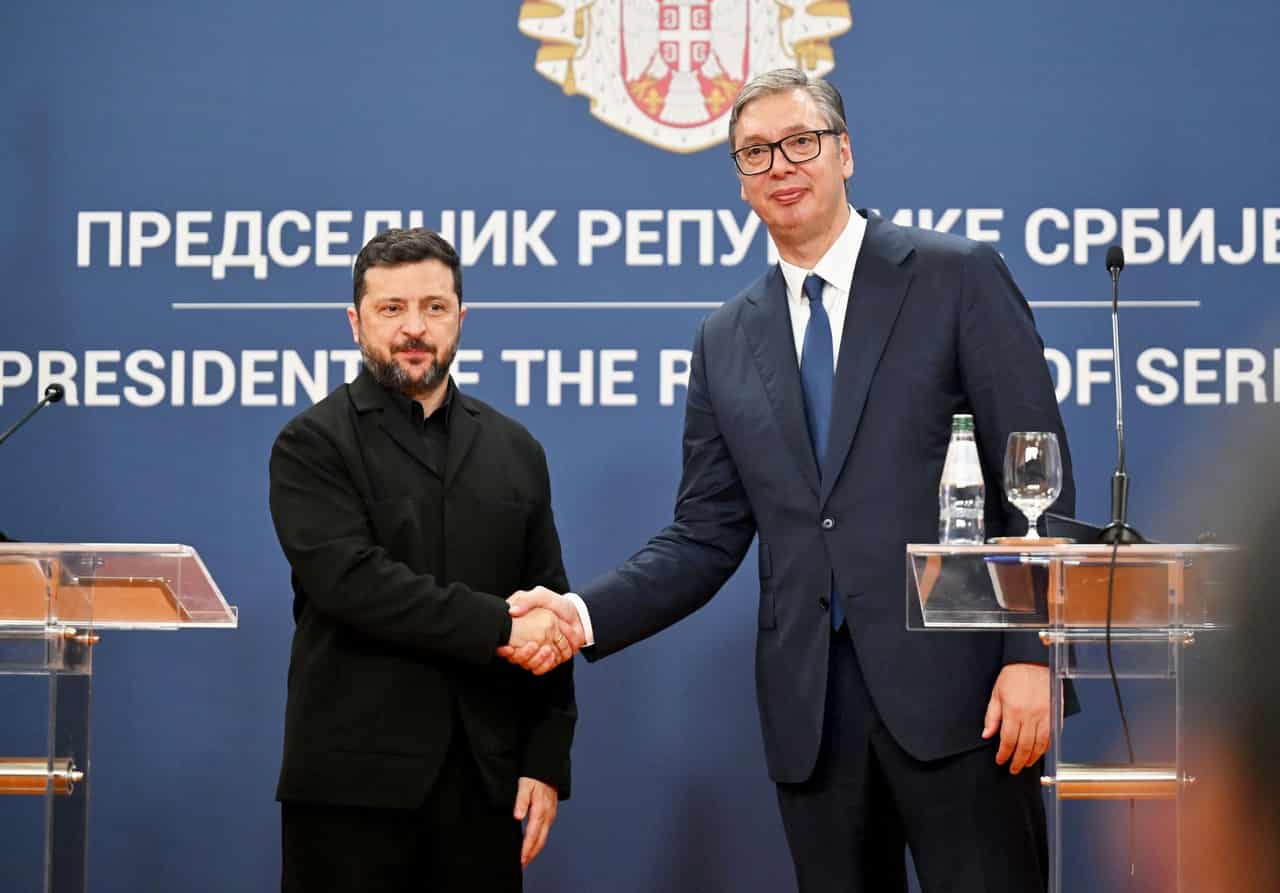
- President Volodymyr Zelensky has made wartime visits to Armenia, Azerbaijan, and Serbia, countries traditionally aligned with Russia.
- Ukraine aims to weaken Russian influence and potentially secure arms and trade deals.
- Armenia has expressed disappointment with Russia's stance on the Nagorno-Karabakh conflict.
- Serbia is pursuing EU integration, which hosting Zelensky may bolster.
- While Ukraine seeks cooperation, tangible military gains from these visits are limited.
- These countries have not altered their stances on sanctions against Russia or direct military aid to Ukraine.
Ukraine is actively pursuing diplomatic engagement with countries traditionally considered partners of Russia, including Armenia, Azerbaijan, and Serbia. President Volodymyr Zelensky has undertaken wartime visits to these nations, aiming to leverage Russia's diminishing political capital and influence in its traditional spheres.
These diplomatic efforts are driven by a confluence of factors, including Armenia's disappointment with Russia's response to the Nagorno-Karabakh conflict and Serbia's aspirations for European Union integration. Experts suggest that these countries, while hedging their bets, see potential benefits in engaging with Ukraine, especially if it signals a weakening of Moscow's sway. Russia's own actions, such as criticizing Serbia's arms sales to Ukraine and mishandling regional incidents, may also be inadvertently pushing these nations to reconsider their alignment.
Ukraine's strategy varies by country. With Serbia, Kyiv seeks access to ammunition, while cooperation in drone technology is being explored with Azerbaijan. Beyond tangible gains, these outreach efforts serve to demonstrate Ukraine's diplomatic prowess and resilience on the global stage, countering Russia's narrative. However, the tangible achievements remain constrained, as none of these nations are prepared to make a significant pivot away from Russia or provide substantial military aid that could alter the war's trajectory.
Significant limitations persist, including Serbia's heavy reliance on Russian gas and strong public sentiment favoring Russia. Similarly, Armenia's trade remains largely tied to Russia, and Azerbaijan maintains a flexible geopolitical stance. The military support provided by these countries cannot replace the critical assistance Ukraine receives from Western allies. Furthermore, Zelensky's statement on Kosovo has drawn criticism from Pristina. Despite these constraints, Ukraine continues to diversify its international relations, recognizing the value of each diplomatic engagement.