Key facts
- A Ukrainian drone strike on July 8 reportedly hit the Saratov Oil Refinery, causing it to halt processing.
- The Saratov refinery, capable of processing about 147,000 barrels of oil per day, produces over 20 types of petroleum products.
- Ukraine has intensified its deep strike campaign against Russian oil infrastructure, disrupting production and operations.
- The Russian government announced a ban on diesel fuel exports until at least the end of July.
- The Ilsky Oil Refinery in southern Russia was also reportedly struck by Ukraine on July 10.
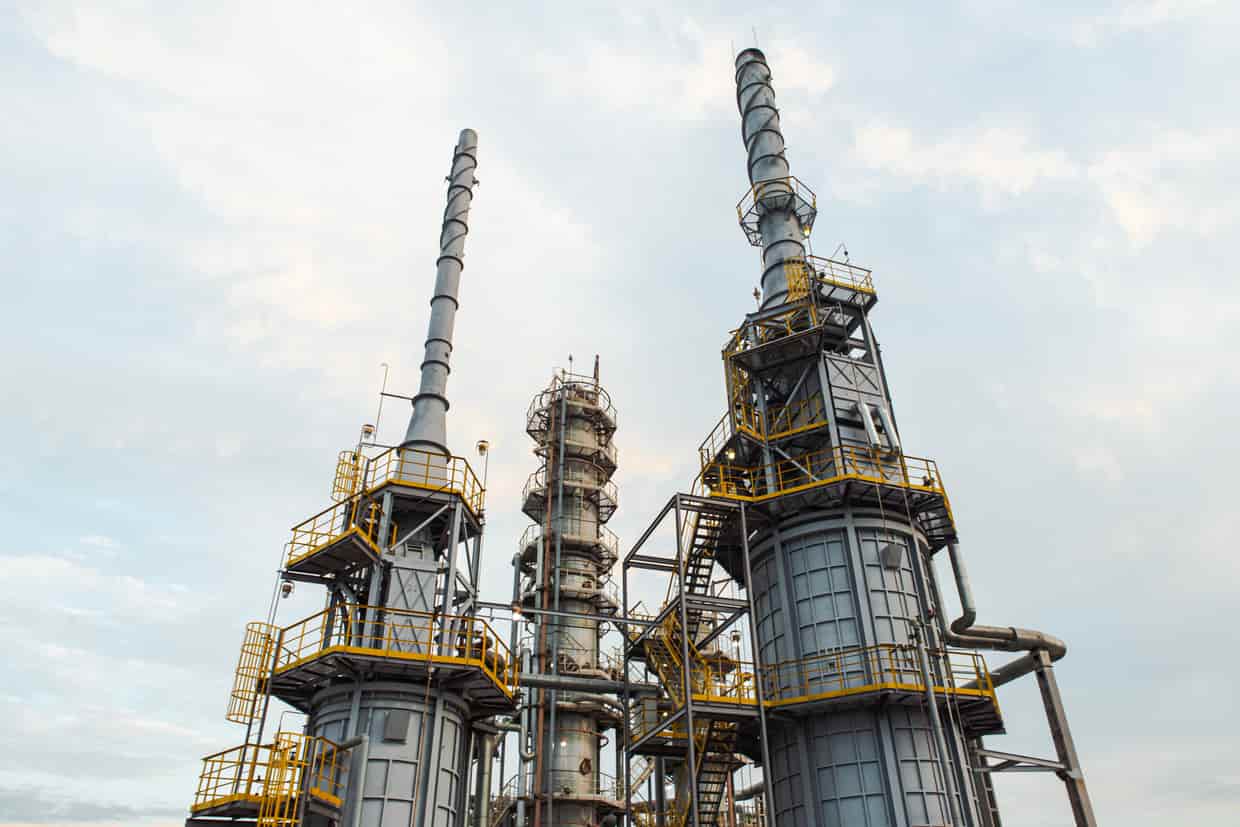
A key Russian oil refinery in the city of Saratov halted processing on July 8 following a Ukrainian drone strike, Reuters reported on July 9, citing undisclosed sources. The Saratov Oil Refinery has been a frequent target of Ukrainian attacks, with the latest strike occurring overnight on July 8, President Volodymyr Zelensky confirmed. The attack is one of the latest regular long-range strikes on Russian refining capability deep inside Russia, which have escalated greatly in scale and frequency over 2026. Sources indicated that CDU-6, the refinery's only crude distillation unit, may have been hit in the attack. The refinery is capable of processing roughly 20,000 metric tons of oil per day, equivalent to about 147,000 barrels. The Saratov refinery produces over 20 types of petroleum products, including gasoline, diesel fuel, fuel oil, bitumen, and more. The facility, whose processing volume amounted to 4.8 million metric tons in 2023, helps supply the Russian military, according to Ukraine's General Staff. Ukraine has been waging an increasingly successful deep strike campaign against Russian oil infrastructure, striking oil depots, disrupting production at major facilities, and in some cases halting operations indefinitely. Overnight strikes on oil depots on July 9 led to a long-lasting fire in the city of Tver, as well as a local state of emergency declared in the Stavropol Krai region. While Ukraine's military also reportedly struck the Ilsky Oil Refinery in southern Russia a day later on July 10. Ukraine's refinery attacks have mounted pressure on the Kremlin by aggravating a domestic fuel supply crisis that has already caused export bans, price hikes, and sales restrictions across Russia. The Russian government announced on July 8 that it would ban the export of diesel fuel until at least the end of the month, after weeks of Ukraine successfully pummelling energy infrastructure. Saratov lies roughly 150 km (100 miles) from the border with Kazakhstan and nearly 600 kilometers (370 miles) east of the front line in Ukraine.