Key facts
- Russia's campaign of attacks has nearly halted agricultural exports from Ukraine's Black Sea ports.
- Farming accounts for nearly 60% of Ukraine's export revenues.
- Ukraine supplies about 6% of the world's wheat and 11% of its corn.
- Global grain prices hit their highest in over a year in July due to Black Sea disruption.
- Ukraine's storage capacity shortage could reach 11 million tons.
- Ukraine's central bank estimates $2.5 billion in lost hard currency revenues for the rest of the year.
- The agricultural sector's wartime losses have exceeded $90 billion since 2022.
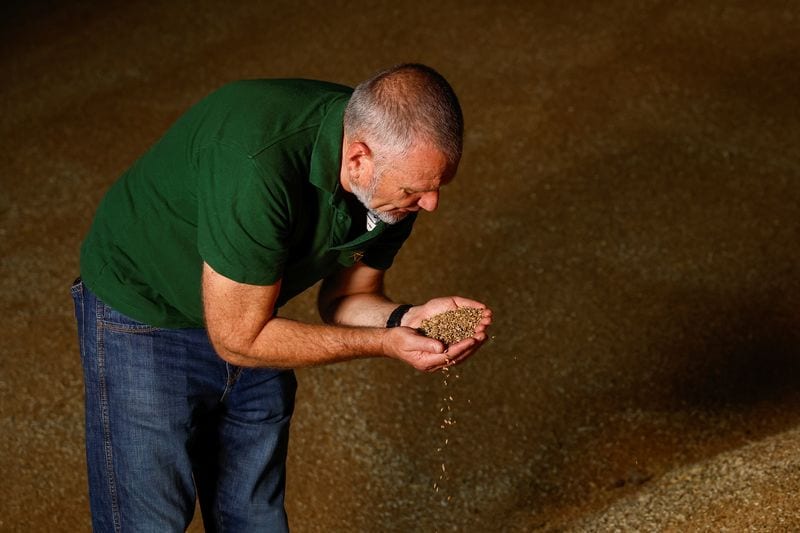
Ukrainian farmers are facing a severe crisis as Russia's ongoing attacks on Black Sea ports have effectively halted agricultural exports, jeopardizing a potentially good harvest and threatening the nation's fragile wartime economy. Farmers like Serhiy Rybalko report being unable to sell their grain, with storage facilities nearing capacity and no buyers in sight.
Farming is a critical component of Ukraine's economy, accounting for nearly 60% of its export revenues. The disruption to grain shipments, which typically rely on the Black Sea for about 90% of exports, adds significant pressure. Ukraine is a major global supplier of wheat and corn, and the blockade raises concerns about global food inflation and potential famine in import-dependent countries in Africa and the Middle East.
The current situation also casts a shadow over future harvests. Without the revenue from exports, farmers struggle to secure funds for essential inputs like fuel, wages, and seeds for the next planting cycle. While global grain prices have surged due to the Black Sea disruptions, domestic Ukrainian prices have plummeted as local supplies accumulate.
Ukraine has attempted to establish its own "grain corridor" through the waters of NATO members Romania and Bulgaria, but Russian attacks on port infrastructure and vessels have intensified, leading to a dramatic drop in export volumes. The country faces a significant shortage of storage capacity, prompting requests for international assistance with temporary storage solutions.
Finding alternative export routes is proving more difficult than during previous blockades. Strained relations with neighboring Poland, stricter EU trade regimes, lower water levels in the Danube River, and Russian strikes on railway infrastructure have limited options. Experts warn that the economic consequences could be even more severe than during previous disruptions, with the central bank estimating substantial revenue losses.
The Ukrainian government has implemented emergency aid packages, including expanded loan programs and eased lending requirements. However, farmers on the ground report that the current support is insufficient to cover mounting losses and prepare for future seasons, with many facing the prospect of bankruptcy and a potential food crisis if planting cannot proceed.