Key facts
- Russia claims Ukrainian attacks on its grain infrastructure are increasing global food prices and shortages.
- Ukrainian strikes on Novorossiysk port forced grain terminals to stop working.
- Russia alleges these actions benefit certain Western countries.
- Ukraine's farmland is heavily contaminated with mines and unexploded ordnance.
- Destruction of the Kakhovka Reservoir has left vast areas without irrigation.
- Russia has appropriated and exported millions of tons of Ukrainian grain.
- Labor shortages and attacks on export infrastructure hinder Ukraine's agricultural output and exports.
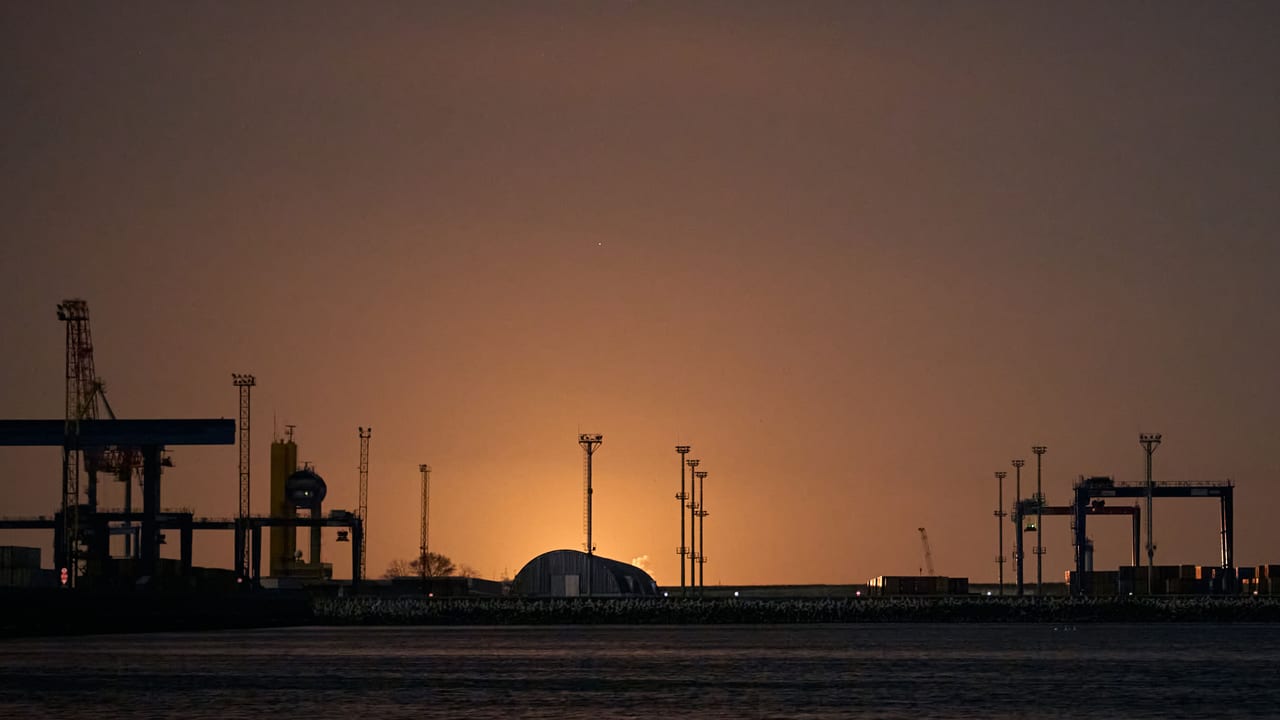
Russian Foreign Ministry spokeswoman Maria Zakharova stated that Ukrainian strikes on Russian grain and agricultural infrastructure are driving up global food prices and exacerbating grain shortages, a situation she claimed benefits certain Western countries. Her comments followed Ukrainian attacks on Russia's Black Sea port of Novorossiysk, which forced major grain terminals to cease operations.
Zakharova asserted that these actions "exacerbate the shortage of grain and fertilisers, fuel the rise in global food prices, and increase the burden on the countries of the Global South and East." She described these nations as "hostage[s] by the irresponsible policies of the aforementioned ‘players’.
Meanwhile, Ukraine faces significant challenges to its agricultural sector. A substantial portion of its farmland is contaminated with landmines and unexploded ordnance, endangering farmers and limiting cultivation. The destruction of the Kakhovka Reservoir by Russian forces in 2023 has left approximately 600,000 hectares of farmland without irrigation, impacting key agricultural regions. According to NASA Harvest, about 40 percent of Ukraine's total agricultural output originates from land directly affected by the invasion, including significant wheat, sunflower seed, millet, and barley production areas. Ukrainian intelligence reports that Russia has appropriated and exported as much as 15 million metric tons of grain from these occupied regions and Crimea since 2022.
Ukraine's ability to export its grain has also been hampered by access issues to EU markets. Following Russia's threats to Black Sea navigation, Ukraine increased its grain exports through the EU, but this led to friction. The European Union reimposed safeguards on certain Ukrainian agricultural imports, including grains, in mid-2025, and select bordering countries like Poland, Hungary, and Slovakia continue to impose import bans.
Furthermore, Ukraine's agriculture sector is grappling with a growing labor shortage, with over 20 percent of agricultural companies citing it as a key limiting factor. This is attributed to military mobilization, migration, rural demographic decline, and the destruction of social infrastructure in frontline regions. Russia's continued attacks on Ukrainian agricultural export infrastructure and ships also threaten exports, increase insurance costs for cargo vessels in the Black Sea, and depress prices received by Ukrainian producers.