Key facts
- Ukraine's Foreign Ministry condemned the inclusion of the Russian film "Dau" in the 83rd Venice International Film Festival.
- The ministry stated that featuring the film sends a troubling signal while Russia continues its war against Ukraine.
- The "Dau" project, directed by Illya Khrzhanovsky, has faced prior allegations of participant exploitation and psychological abuse.
- The film is financed by Russian businessman Sergei Adoniev, who is under U.S. and Ukrainian sanctions.
- Ukraine urged the festival to recognize how Russia uses culture as an instrument of hybrid warfare.
Ukraine's Foreign Ministry has condemned the inclusion of the controversial Russian film "Dau" in the upcoming 83rd Venice International Film Festival, where it is set to compete for the Golden Lion.
The ministry stated that at a time when Russia continues its war of aggression against Ukraine, granting a platform to a project connected to the Russian state sends an extremely troubling signal. The "Dau" project, which began production in 2006, has previously drawn controversy due to allegations of exploitation and psychologically abusive conditions on set.
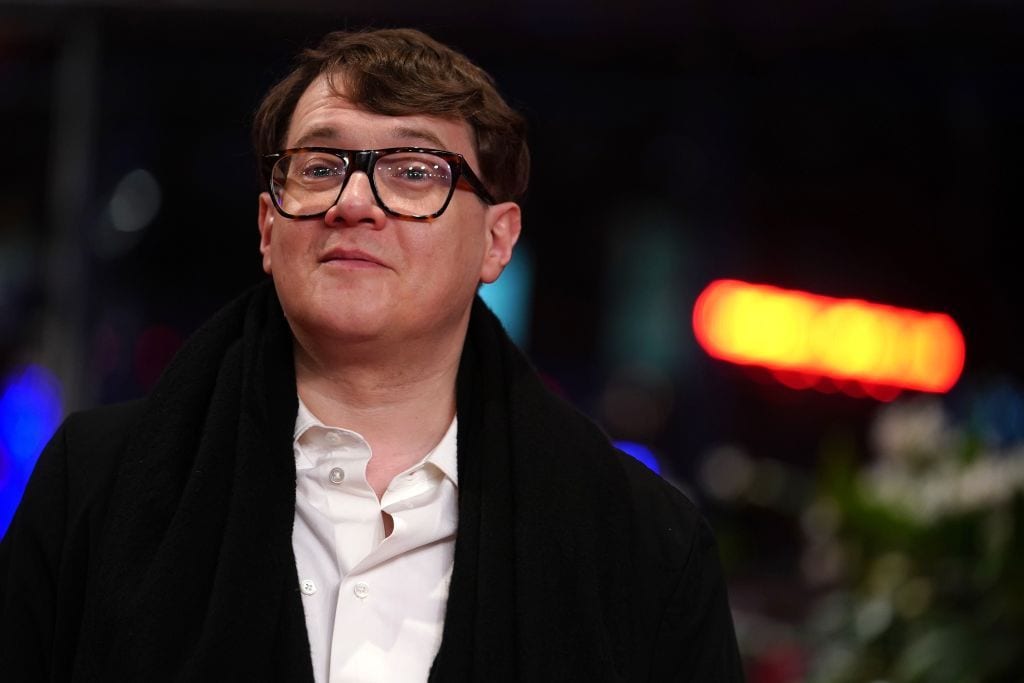
The film premiering at Venice reportedly features footage shot between 2008 and 2011, alongside newly-filmed material. Director Illya Khrzhanovsky has a history of controversy, including his appointment as artistic director of the Babyn Yar Holocaust Memorial Center in Kyiv.
"Dau" is financed by Russian businessman Sergei Adoniev, who was sanctioned by the U.S. in 2023 and Ukraine in 2022. Ukraine's sanctions database indicates one of Adoniev's companies provides communication services to the Russian military. Khrzhanovsky stated in 2019 that Adoniev provided approximately 25 million euros in funding.
Conductor Teodor Currentzis, a lead actor in "Dau," received Russian citizenship in 2014, and his orchestra has received financial support from Russian state-linked entities, including VTB Bank, which is under Western sanctions.
The Foreign Ministry emphasized that its opposition is not a call for censorship but a reminder of how Russia weaponizes culture. They urged the Venice International Film Festival and the broader cultural community to recognize Russia's use of culture as an instrument of its hybrid warfare and to avoid treating Kremlin-backed projects as politically neutral. Earlier this spring, Russia also returned to the Venice Art Biennale with a pavilion curated by an individual with close ties to the Russian military-industrial complex.