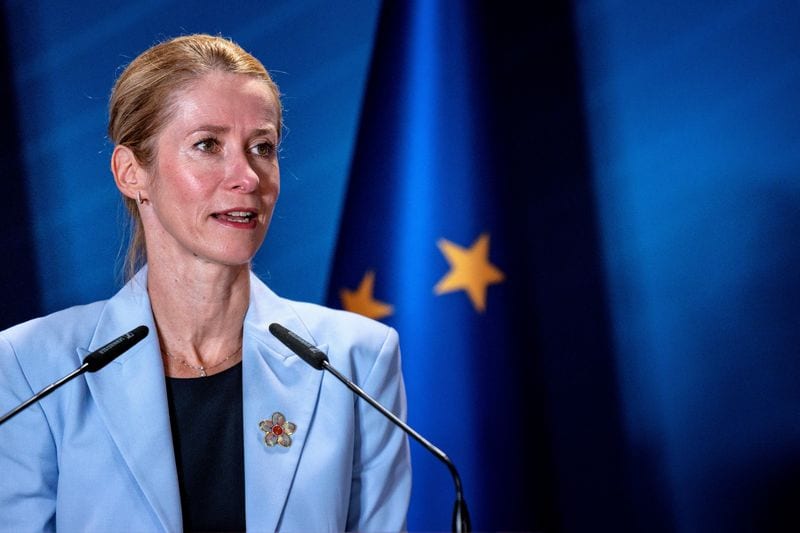
Key facts
- EU foreign policy chief Kaja Kallas announced plans for an expanded sanctions package against Russia in the autumn.
- The proposed sanctions aim to increase pressure on Russia's war economy and deprive it of funds.
- The EU has previously imposed sanctions targeting Russia's banking sector, cryptocurrency networks, energy sector, and shadow fleet.
- The EU's 21st sanctions package included measures against Russian ports, refineries, and financial messaging services.
- The EU's 19th sanctions package introduced a ban on Russian LNG imports for long-term contracts and targeted Chinese entities involved in Russian oil trade.
The European Union is planning to implement its most comprehensive sanctions package against Russia to date in the autumn, according to EU foreign policy chief Kaja Kallas. Speaking to German newspaper Die Welt, Kallas stated that the existing sanctions have already imposed a significant cost on Russia's war effort, estimated at over €1 trillion ($1.16 trillion).
The proposed new package, which Kallas is set to present, is expected to increase the number of sanctioned Russian entities by one-third. The goal is to maintain and escalate pressure on Moscow until it ends its war in Ukraine.
Details regarding the specific timing and scope of the upcoming sanctions were not provided by Kallas. The EU most recently approved its 21st package of sanctions in July, which included restrictions on Russia's banking sector and cryptocurrency networks. The European Commission has highlighted that these measures aim to further restrict Russia's ability to fund its war and carry out attacks.
Previous sanctions packages have targeted various sectors, including energy, financial services, trade, and the Russian military-industrial complex. The 21st package specifically included adjustments to the oil price cap, bans on certain Russian ports and refineries, and measures against the 'shadow fleet' of vessels used to circumvent sanctions. It also strengthened financial and crypto restrictions, expanding the list of sanctioned Russian banks and introducing a ban on crypto-asset services.
Earlier, the 19th package of sanctions had already imposed a ban on Russian liquefied natural gas (LNG) for long-term contracts starting in January 2027 and implemented a full transaction ban on major companies like Rosneft and Gazprom Neft. This package also targeted Chinese entities involved in Russian crude oil trade and expanded the list of sanctioned vessels in Russia's shadow fleet.