Key facts
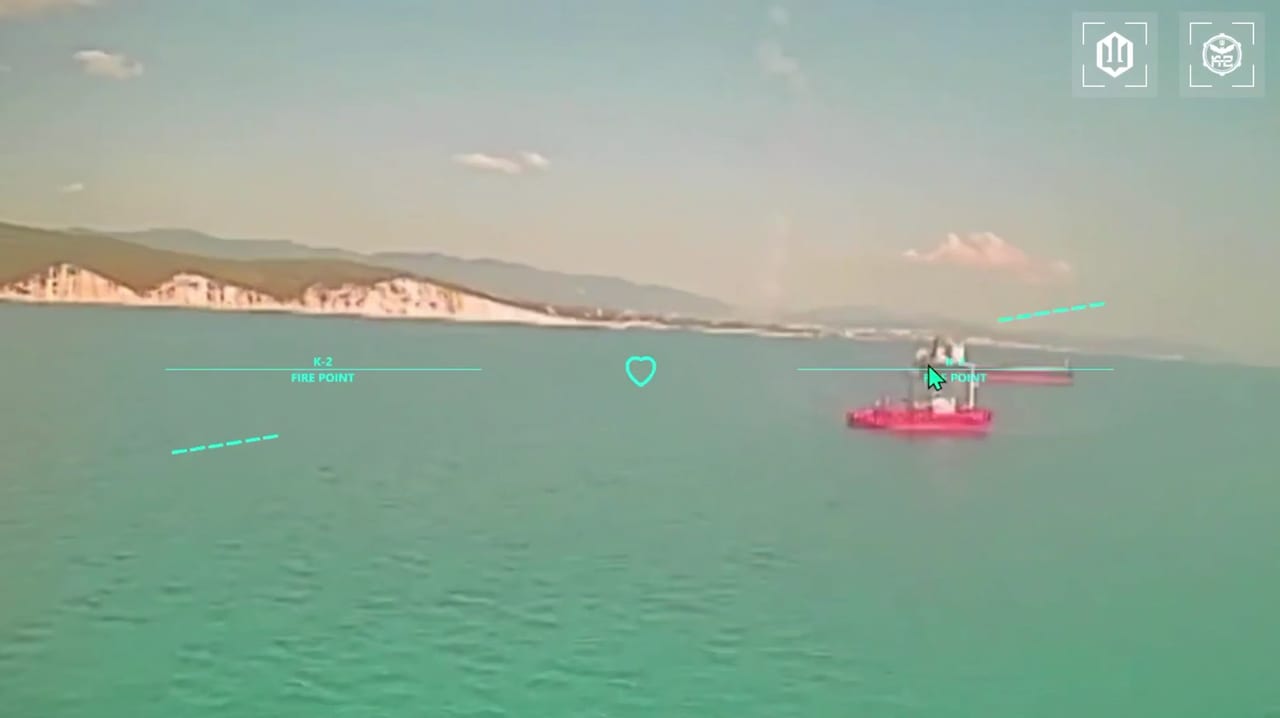
- Ukraine's Unmanned Systems Forces reported striking 12 Russian shadow fleet vessels in the Black Sea and Sea of Azov.
- The strikes occurred over the past week.
- These attacks are part of Ukraine's Operation Molochka, aimed at isolating occupied Crimea.
- Since July 6, Ukraine claims to have struck a total of 218 Russian shadow fleet vessels.
- The Russian Defense Ministry stated it downed 83 Ukrainian drones overnight.
Ukraine's Unmanned Systems Forces announced on August 8 that its long-range drones had struck 12 Russian shadow fleet vessels in the Black Sea and the Sea of Azov within the past week. These actions are part of Operation Molochka, initiated by Ukraine in July with the objective of isolating the Russian-occupied Crimean peninsula.
According to the Unmanned Systems Forces, since the operation began on July 6, Ukrainian drones have successfully targeted 218 Russian shadow fleet vessels, comprising 134 in the Sea of Azov and 84 in the Black Sea. The recent strikes involving the 12 vessels were reportedly carried out by the Magyar's Birds Brigade, led by Unmanned Systems Forces Commander Robert Brovdi, alongside the K-2 Brigade and the Raid Regiment.
The Kyiv Independent has not independently verified these claims. As of publication time, Moscow had not issued a comment. However, the Russian Defense Ministry asserted on August 8 that it had intercepted 83 Ukrainian drones overnight, including those over the Azov Sea.
Commander Brovdi, operating under the callsign 'Magyar,' reiterated Ukraine's commitment to isolating Crimea in a June interview, stating, "We will isolate Crimea in the near future." Russia utilizes a 'shadow fleet,' primarily composed of older tankers operating under flags of convenience, to circumvent international sanctions and the G7 price cap on oil exports. This strategy allows Russia to maintain oil revenues essential for financing its ongoing war against Ukraine.
Ukraine has been intensifying its long-range drone attacks on military infrastructure within Russia and occupied territories, aiming to degrade Moscow's war-fighting capabilities. The precise impact of these strikes on Russia's military effectiveness on the front lines remains unclear.