HomeEverythingEducation
Equities & FundsCrypto & Digital AssetsAI & TechnologyBusiness & CorporateUS Politics & PolicyGeopolitics & Global RiskMacro, Rates & FXCommodities & EnergyEuropean Politics & MarketsAsia-PacificReal Estate & Property
← All Stories

Ukraine ceasefire could embolden Russia to test NATO's borders

Created at 6 Jul · 11:45 AM1 source↑ Market-relevant
IN SHORT

A potential ceasefire in Ukraine would offer Kyiv a respite but could free up modernized Russian forces to test NATO's eastern and northeastern frontiers, raising significant security concerns for alliance members.

✉Newsletter

PiQ Daily

Pick your topics. Get only what matters, on your cadence.

Key Numbers

1.5 millionactive Russian military personnel
1,200-kilometerfront line in Ukraine
1 millionRussian casualties
2,640-kilometerRussia's borders with NATO
20,000 to 80,000expected increase in Russian troops near Finland
17 timesincrease in Russian artillery munitions production since 2021
7 millionrounds of artillery produced by Russia last year
7.3 millionFPV drones Russia plans to produce in 2026
180,000FPV drones produced by Russia in 2023
two and five yearstimeframe for Russia to pose a severe threat to NATO's front lines post-ceasefir
2029earliest year Moscow could be prepared to invade a NATO member state
75%increase in EU defense spending between 2021 and 2025
1 millionrounds to Ukraine the EU struggled to deliver in 2023

Who's Involved

Tuuli Duneton
undersecretary for defense policy at the Estonian Defense Ministry
Matti Pesu
security expert at the Finnish Institute of International Affairs
Vladimir Putin
President of Russia
Tomas Jermalavicius
security expert at the International Center for Defense and Security (ICDS)
Christian Freuding
German army chief
Kaupo Rosin
head of Estonian intelligence
Ukraine ceasefire could embolden Russia to test NATO's borders

↳ Why This Matters

A potential end to the Ukraine war could shift Russia's military focus towards NATO's borders, necessitating increased defense spending and strategic adjustments by the alliance.

Key facts

  • A potential ceasefire in Ukraine could lead to modernized Russian forces testing NATO's borders.
  • Russia has significantly increased artillery munitions production and plans for massive FPV drone output.
  • Military buildup is occurring along NATO's northeastern flank, with Finland expecting a substantial rise in Russian troops.
  • Experts predict Russia could pose a severe threat to NATO's front lines within two to five years post-ceasefire.
  • EU defense spending has risen significantly, and production capacity for munitions has doubled.
  • NATO is strengthening its presence in the northeast, including Germany deploying a brigade in Lithuania.

A potential ceasefire in Ukraine, while offering Kyiv a respite, is raising significant security concerns for NATO states along Russia's frontier. Officials in Kyiv still hope to conclude the active fighting before winter, and Europe broadly supports these efforts. However, European planners are increasingly alarmed by the prospect of modernized and battle-hardened Russian armies being freed for deployment along NATO's Baltic or Nordic borders.

Tuuli Duneton, undersecretary for defense policy at the Estonian Defense Ministry, stated that once Russian aggression in Ukraine concludes, Russia might test the Baltic states and NATO as a whole. While frontier states are reinforcing their defenses, internal NATO divisions could present an opportunity for Moscow. The extent of Russia's actions will depend on NATO's firm response and the terms of any armistice.

Russia's military has undergone significant adaptation since 2022, offsetting over a million casualties with advancements in drone warfare and electronic warfare. Recent NATO-Ukrainian exercises highlighted the alliance's lag in drone capabilities. Matti Pesu, a security expert, noted that the Russian armed forces will likely be stronger, more battle-hardened, and technologically advanced in certain areas like drone warfare after the conflict.

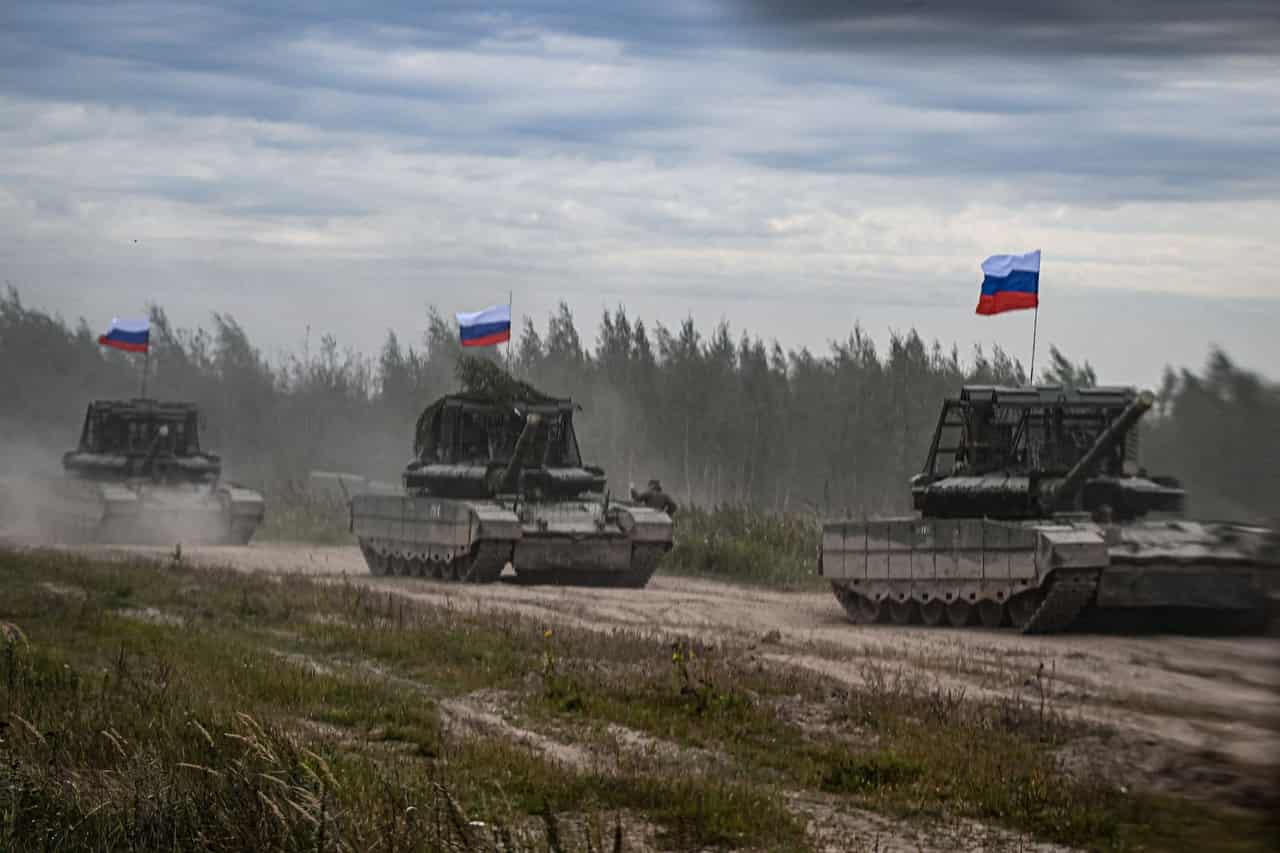
Moscow is actively building up its military presence along NATO's northeastern flank, constructing new facilities and amassing equipment near borders with Norway, Finland, and the Kaliningrad exclave. Finland anticipates a substantial increase in Russian troops near its border. Russia has also dramatically increased artillery munitions production and plans for a significant rise in FPV drone manufacturing.

Experts suggest Russia possesses the capability to initiate low-intensity operations to test NATO at any time, though a European intelligence source indicated Moscow is not currently intent on attacking NATO, acknowledging Russia's susceptibility to miscalculations. Tomas Jermalavicius estimates Russia could pose a severe threat to NATO's eastern and northeastern front lines within two to five years after a ceasefire. German army chief Christian Freuding cited NATO intelligence suggesting a potential invasion of a member state as early as 2029.

Despite a weakened economy due to wartime spending and drone attacks on its oil refineries, experts worry that easing sanctions post-ceasefire could accelerate Russia's recovery and military recuperation. A Chatham House report suggests Western leaders might reduce security aid to Ukraine, believing the threat has been resolved. The outcome of the war and Ukraine's military capability are crucial; a strong, well-equipped Ukraine with steady Western support would limit Russia's options. Kaupo Rosin, head of Estonian intelligence, emphasized that Russia would still need to maintain considerable military potential against Ukraine, even with a ceasefire.

On a positive note for NATO, European defense investments are increasing, with EU defense spending rising 75% between 2021 and 2025. The EU's ammunition production capacity has doubled, and front-line states are leading in defense spending and force expansion. NATO is also enhancing its presence in the northeast, scaling up battlegroups and establishing new bases, with Germany deploying a permanent brigade in Lithuania.

Frequently asked questions

NATO is concerned that a ceasefire could free up modernized Russian forces to test the alliance's borders along the Baltic or Nordic frontiers.

Russia has offset significant casualties by adapting to modern warfare, including mass drone deployment and electronic warfare, becoming more technologically advanced in some areas.

Security experts estimate Russia could pose a severe full-scale threat to NATO's eastern and northeastern front lines between two and five years after a ceasefire is achieved.

EU defense spending has increased by 75% between 2021 and 2025, and the EU's capacity to produce ammunition has doubled.

What Happens Next

01Russia may test NATO's resolve with low-intensity operations.
02Russia could pose a severe threat to NATO's front lines within two to five years after a ceasefire.
03Moscow may be prepared to invade a NATO member state as early as 2029.
04Western leaders may reduce security aid to Ukraine once hostilities end.

Get the newsletter.

Pick the topics you actually care about. We'll email when there's news worth your time, on the cadence you choose. Cancel any time from your account.

Cadence

How It Developed

Officials in Kyiv hope to end the active phase of fighting before winter.
Europe backs peace efforts but worries about modernized Russian armies being deployed along NATO borders.
Russia has approximately 1.5 million active military personnel, with about half deployed in Ukraine.
Russia is adapting to modern warfare, including drone and electronic warfare capabilities.
Russia is building up military infrastructure along NATO's northeastern flank.
Finland expects Russian troop numbers near its border to increase significantly.
Russia has ramped up artillery munitions production and plans massive FPV drone production.
Experts suggest Russia could launch low-intensity operations to test NATO at any moment.

Sources

T1
The peace in Ukraine that worries NATOThe Kyiv Independent

Related Stories

Nato summit may focus on Ukraine war, European defence amid US drawdown plans
5 Jul · 2:05 PM
Ukraine Seeks NATO Support Amidst Russian Attacks and EU Enlargement Push
6 Jul · 6:15 AM
Zelensky warns Russia preparing new massive strike on Ukraine
5 Jul · 7:25 PM
UK jets intercept Russian plane near NATO carrier in Norwegian Sea
6 Jul · 5:15 AM
Ukraine aims for defense deals with seven NATO countries by year-end
6 Jul · 4:10 AM