Key facts
- The UK government has nationalized British Steel.
- China's Jingye Group, the former owner, had sought to close the plant.
- Beijing has condemned the nationalization, calling it a violation of Jingye's rights.
- Jingye Group is seeking compensation from the UK government.
- The UK government cited public interest and national security as reasons for the takeover.
The United Kingdom's new Prime Minister, Andy Burnham, is facing an immediate diplomatic challenge following the nationalization of British Steel. China has strongly condemned the move, with its Commerce Ministry stating that the takeover "seriously infringed upon Jingye's legitimate rights and interests and severely undermined the confidence of Chinese companies investing in the UK." The ministry added that Beijing "will closely monitor" developments and support Chinese enterprises in using legal means to protect their rights.
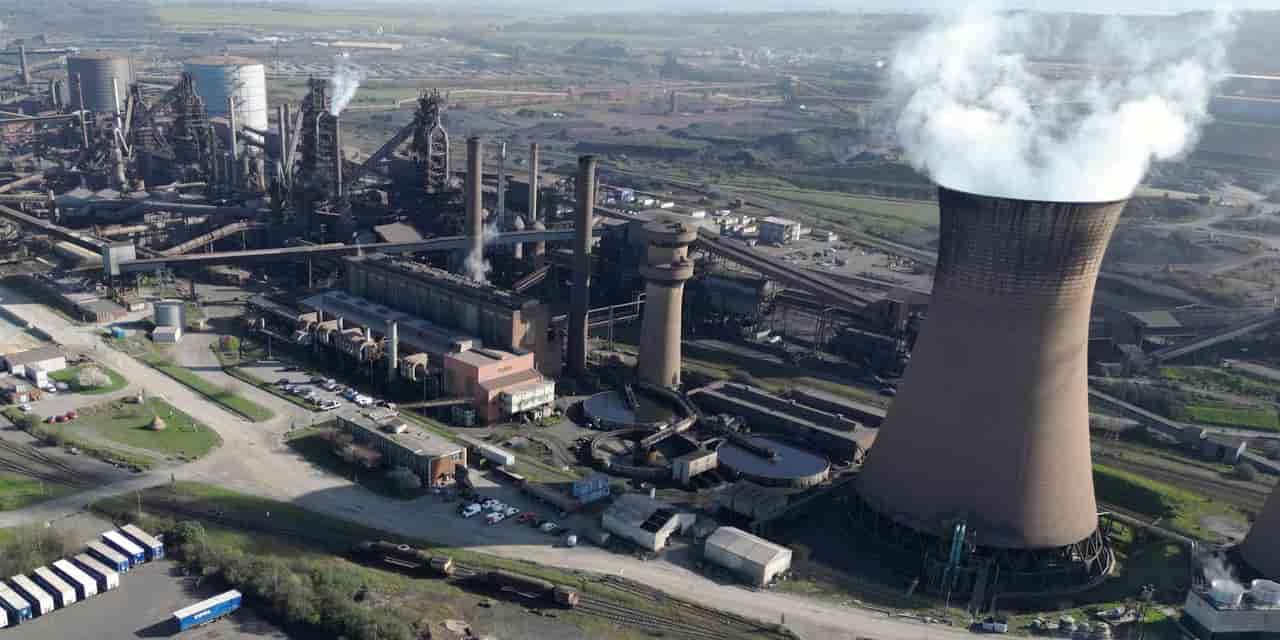
British Steel, previously owned by China's Jingye Group, was formally brought into public ownership by the outgoing government. The move was justified by the government as necessary to "safeguard a vital national capability" and protect a "foundation industry that supports our critical national infrastructure, economy and defence." Business Secretary Peter Kyle emphasized the need to take "big, bold decisions" to prevent reliance on imports and ensure the future of the industry.
Jingye Group is reportedly seeking compensation from the UK government, having previously stated that the business was losing approximately £700,000 per day. The nationalization occurred under powers established in the Steel Act, which allows for state intervention in the public interest. Stories from March 2025 indicated the steelworks was costing the government around £1.3 million daily. The situation presents a significant early test for Prime Minister Burnham's administration regarding international relations and industrial policy.