Key facts
- UK Prime Minister Andy Burnham is reportedly planning to reopen North Sea oil and gas fields.
- Campaigners argue this move would breach international law due to Delek Group's involvement.
- Delek Group is blacklisted by the UN for activities related to illegal West Bank settlements.
- Delek Group also supplies fuel to the Israeli military.
- Ithaca Energy, majority-owned by Delek Group, has a stake in the Rosebank oil field.
- The decision comes amid record heatwaves and concerns about the UK's national security threat from climate change.
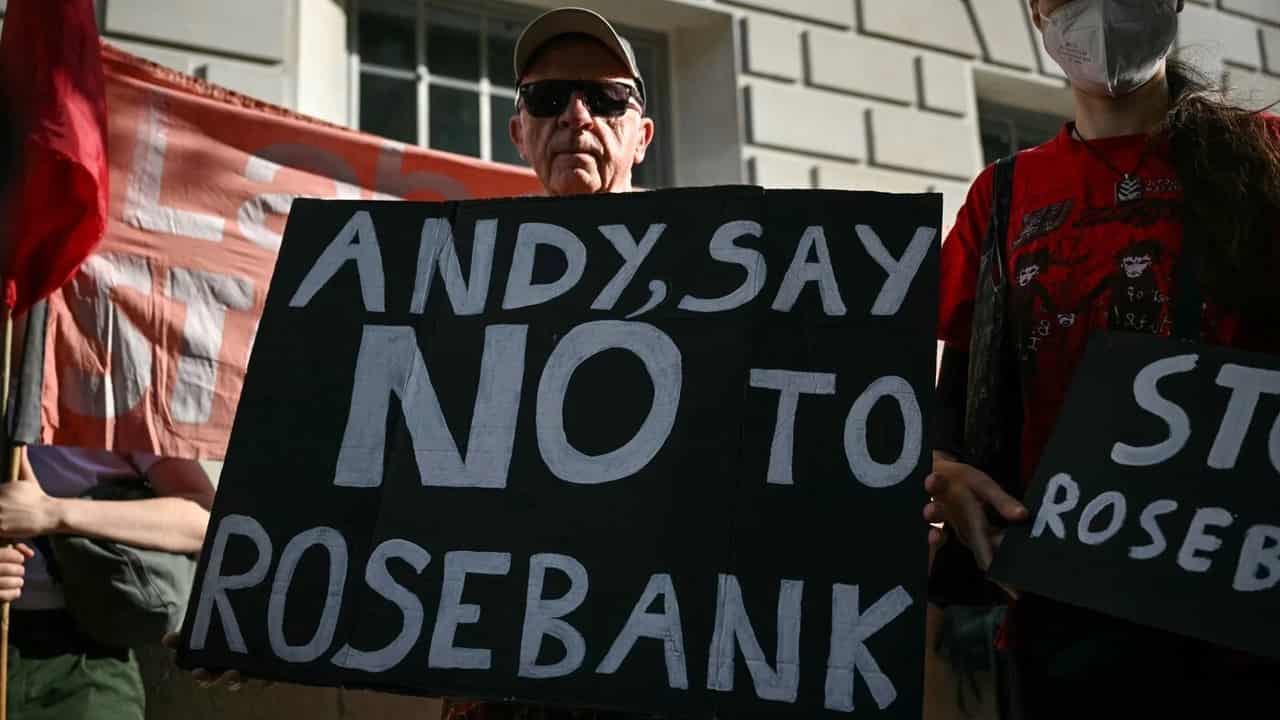
New British Prime Minister Andy Burnham is reportedly preparing to approve the reopening of North Sea oil and gas fields, a move that has drawn criticism from campaigners who argue it would violate international law. The concern stems from the involvement of Delek Group, an Israeli energy conglomerate blacklisted by the UN for its activities in illegal West Bank settlements. Delek Group is a majority shareholder in Ithaca Energy, which holds a stake in the Rosebank oil field. Campaigners, including Amnesty International UK and Greenpeace UK, assert that granting concessions to companies involved in illegal settlements constitutes a breach of the UK's international legal responsibilities.
Delek Group also has a significant contract to supply fuel for the Israeli military. Investigations indicate that Delek has already profited substantially from its stakes in UK oil fields and stands to gain further if Rosebank is approved. The decision is further complicated by record heatwaves in Europe and a suppressed government report highlighting severe national security threats from the climate crisis.
US President Donald Trump has publicly supported Burnham's decision, contrasting it with the stance of previous UK leaders. The move follows a cabinet reshuffle where former Energy Secretary Ed Miliband, who had previously blocked the field's approval, was moved to Foreign Secretary. Critics argue that caving to demands from figures like Trump and the fossil fuel lobby undermines the UK's climate commitments and contradicts pledges to uphold international law regarding Palestine.
Burnham's decision is also viewed in the context of his recent apology for Labour's past approach to the conflict in Gaza. While acknowledging suffering, he has stopped short of calling it genocide, deferring to international courts. Campaigners suggest that such actions, like reopening oil fields, speak louder than words and may be an attempt to appease the oil and gas industry, which has significant lobbying influence. The profits from the oil produced are expected to benefit foreign companies and their shareholders, particularly in the context of global energy markets influenced by geopolitical events.