Key facts
- U.S. and Iranian officials have agreed on a peace framework to end their war, halt the U.S. blockade of Iran, and reopen the Strait of Hormuz.
- The deal is scheduled to be officially signed on Friday in Switzerland.
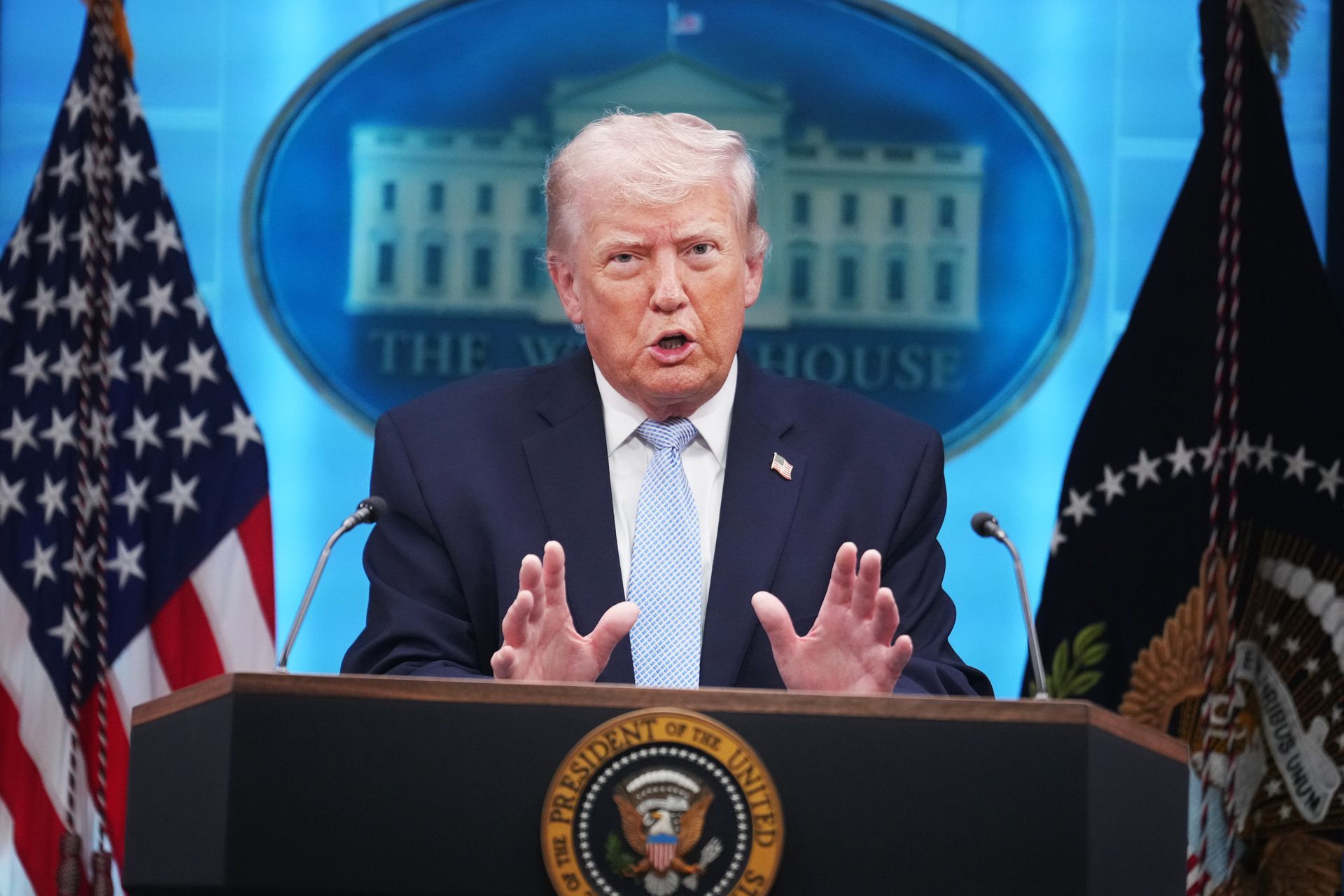
- U.S. President Donald Trump announced the completion of the deal on his Truth Social platform.
- The agreement includes the immediate and permanent termination of military operations on all fronts, including in Lebanon.
- Iran's deputy foreign minister stated that a 60-day negotiation period will follow to address sanctions, the nuclear program, and economic reconstruction.
- Oil prices fell significantly following the announcement, with Brent crude futures down 4% and WTI down over 4.6%.
U.S. and Iranian officials announced on Sunday an agreement on a framework to end their war, halt the U.S. blockade of Iran, and reopen the Strait of Hormuz. U.S. President Donald Trump declared the deal complete on his Truth Social platform, with the memorandum of understanding scheduled for official signing on Friday in Switzerland.
The pact includes the immediate and permanent termination of military operations on all fronts, including in Lebanon, a key point of contention. Iran's Supreme National Security Council confirmed that military operations would cease permanently starting Monday night.
Trump stated that the Strait of Hormuz, a critical global oil shipping route effectively shut down by Iran for months, would reopen on Friday, and he ordered the end of the U.S. blockade of Iranian ports. The announcement led to a drop in oil prices, with Brent crude futures falling 4% and U.S. West Texas Intermediate sliding over 4.6% in early Monday trading, while Asian stock markets saw gains.
Iran's deputy foreign minister indicated that a more comprehensive agreement, including sanctions relief for Iran, would be negotiated during a subsequent 60-day ceasefire period. The future of Iran's nuclear program is also slated for these later talks. The conflict, which began with U.S. and Israeli attacks on Iran on February 28, has resulted in thousands of deaths and significantly impacted global energy prices.
Former officials offered commentary, with Matthew Miller suggesting Trump made concessions to restore the pre-war status quo, while questioning assurances on Iran's nuclear program. Senator Lindsey Graham praised the deal but emphasized close monitoring of future nuclear negotiations, noting that any deal would require Congressional review.
The agreement was reached despite ongoing tensions, including an Israeli strike on Lebanon that drew criticism. Prime Minister Benjamin Netanyahu has had disagreements with Trump regarding Israeli military actions in Lebanon. Trump reportedly described Netanyahu as "a very difficult guy" in an interview with The New York Times.
Prior to the announcement, reports indicated that the U.S. would agree to release $25 billion in frozen Iranian assets. A U.S. official also stated the agreement would lead to the dismantling of Iran's nuclear program, though Iranian officials maintain the country does not seek nuclear weapons and intends to dilute its enriched uranium domestically.