Key facts
- Taiwan's annual Han Kuang military exercises will incorporate new elements, including throttling internet access for the public.
Taiwan's annual Han Kuang military exercises will include new elements such as simulating limited internet connectivity and adopting U.S.-style rehearsal methods. The drills aim to test readiness against a potential Chinese invasion, focusing on breaking blockades, dispersed command, and sustained defense operations.
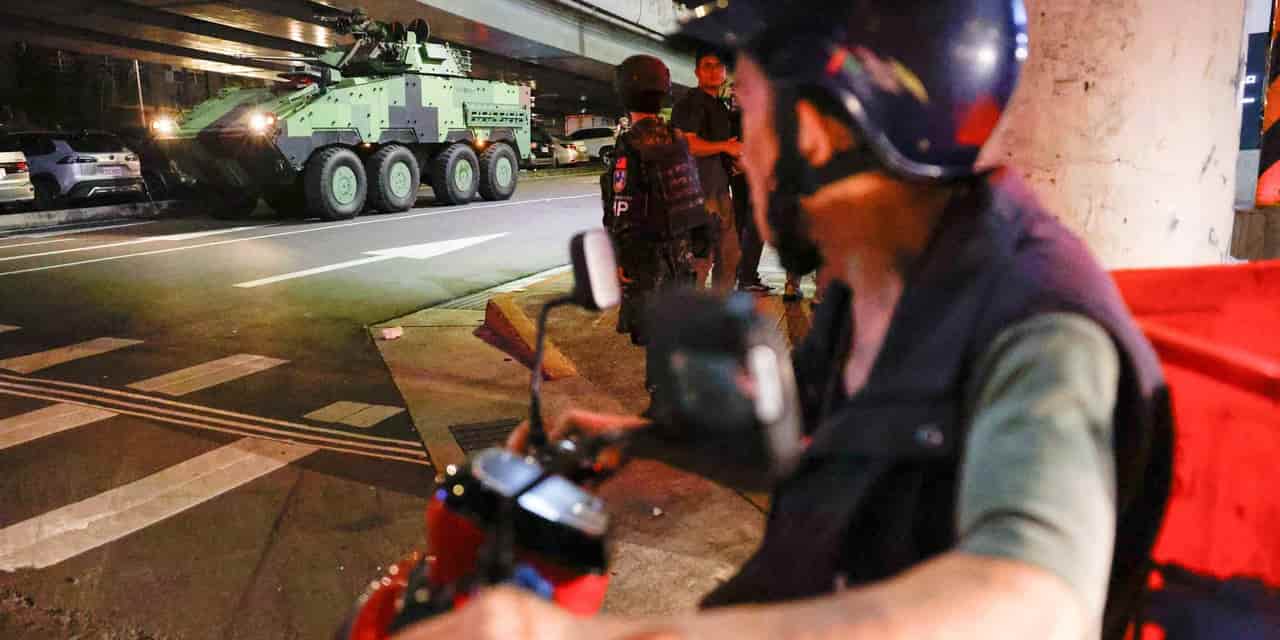
The Han Kuang exercises are crucial for Taiwan to demonstrate its defense capabilities and deter potential aggression from China, especially amid heightened regional tensions. The inclusion of new tactics like internet throttling and U.S.-style rehearsals signals Taiwan's evolving strategy to adapt to modern warfare and potential invasion scenarios.
Taiwan is preparing for its annual Han Kuang military exercises, which will feature new tactics designed to enhance combat readiness against a potential Chinese invasion. For the first time, the drills will include a simulation of limited internet connectivity to test public response and resilience during a crisis. The exercises, scheduled from August 5 to August 14, will also incorporate U.S.-style rehearsal methods, such as confirmation briefs, to empower front-line troops as active decision-makers.
The drills are structured in four phases: prepositioning and deployment, force protection and survivability, counter-amphibious assault operations, and defense in sustained conflict. The scenario assumes the People's Liberation Army (PLA) achieves a sea and air blockade, prompting Taiwanese forces to focus on breaking this cordon, deploying mines, and hardening infrastructure. The exercises will also simulate the relocation of weapons manufacturing facilities and the mobilization of civilian factories for war production.
Key military assets, including newly delivered M1A2T Abrams tanks and the Littoral Combat Command, will participate for the first time. The newly opened Danjiang Bridge will be used for blockage drills, simulating efforts to slow an enemy advance toward Taipei. The exercises aim to test the military's ability to sustain 24-hour defense operations and coordinate dispersed command-and-control efforts, particularly in response to China's intensifying gray-zone tactics.