Key facts
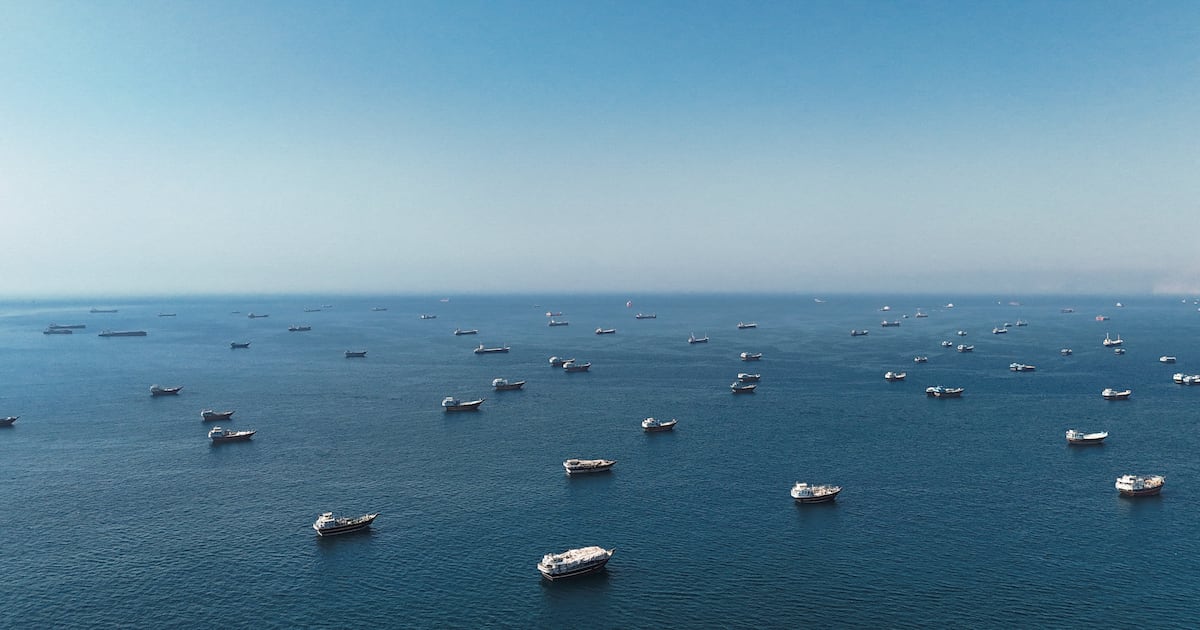
- Over 500 ships are stranded in the Persian Gulf due to escalating conflict.
- Dozens of vessels have made risky transits through the Strait of Hormuz since early May, facing threats from mines, missiles, and attack boats.
- US military guidance and escorts have assisted some of these transits.
- Around 100 container ships remain trapped in the Arabian Gulf.
- Cruise lines have cancelled sailings in the region due to the conflict and airspace closures.
Hundreds of ships remain stranded in the Persian Gulf as a result of escalating conflict involving Iran, creating a costly dilemma for shipowners and sailors who must decide whether to wait out the crisis or risk navigating the dangerous Strait of Hormuz.
While dozens of vessels have managed to transit the strait since early May, often with US military guidance or escorts, these attempts are described as exceptions rather than a return to normal maritime traffic. The risks include Iranian sea mines, missiles, and fast attack boats. Analysts suggest a full reopening of the waterway will likely require a negotiated agreement between the US and Iran.
Data indicates that while some ships have made their way out, a significant number, including around 100 container ships, remain trapped. Shipping firms like Hapag-Lloyd are experiencing prolonged delays, with one vessel in transit for four weeks. The US has been providing support for selected vessels, a strategy that appears to be a controlled, partial flow rather than a fully functioning trade corridor.
Meanwhile, the conflict has directly impacted the cruise industry, with major lines like MSC Cruises, TUI Cruises, and Celestyal Cruises cancelling sailings in the region. Airspace closures are also complicating travel for fly-cruise passengers, and maritime operators have been advised to avoid key waterways like the Strait of Hormuz.