Key facts
- Cross-border trade between Saudi Arabia and the UAE is experiencing delays of several days.
- Bank transfers from Saudi banks to UAE-based accounts have been blocked or delayed since May.
- The delays and blocked payments are seen as a manifestation of growing tensions between the two Gulf nations.
- The UAE exited OPEC in May over disagreements on oil production limits.
- Saudi Arabia previously implemented rules in 2021 that excluded goods from free zones from preferential trade treatment.
Cross-border trade between the United Arab Emirates and Saudi Arabia is facing significant delays, with reports indicating that bank transfers from Saudi Arabia to the UAE have been blocked or held up since May. These issues are seen as a reflection of escalating regional tensions between the two Gulf neighbors.
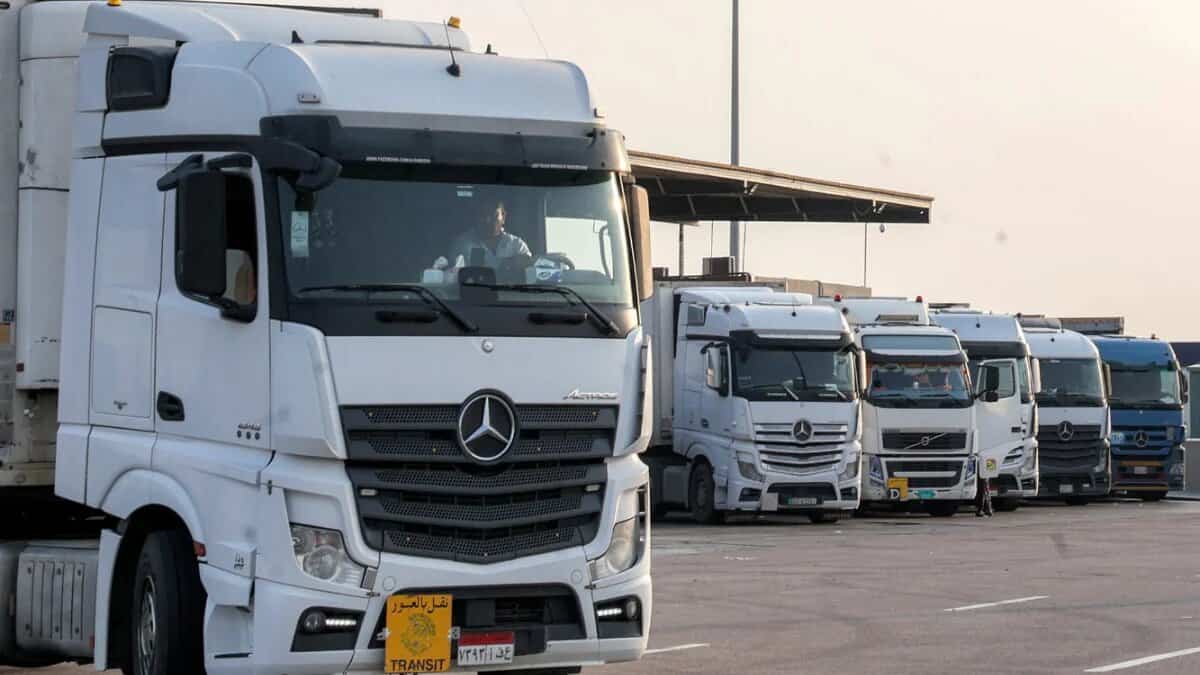
According to a Semafor report, delays at the border crossing from the UAE into Saudi Arabia have worsened in recent months, with some truck drivers experiencing wait times of up to a week. The Financial Times also reported that payments from Saudi banks to UAE-based companies and individuals have been returned or delayed without clear explanation.
The current situation echoes the early days of the rift between Qatar and its Gulf neighbors a decade ago, when Saudi Arabia and the UAE imposed a blockade on Qatar. The current tensions highlight shifting regional alliances, with Saudi Arabia now more closely aligned with Turkey, Pakistan, Qatar, and Egypt, while the UAE has strengthened ties with Israel.
The geopolitical divergence extends to regional conflicts, with Saudi Arabia and the UAE supporting opposing sides in Sudan's civil war. In Yemen and Somalia, the UAE has backed secessionist forces that Riyadh opposes. Tensions in Yemen notably escalated when the UAE-backed Southern Transitional Council launched an offensive against Saudi-aligned forces, leading to Saudi strikes and the UAE's military withdrawal from the region.
Economically, the two nations are also competitors. The UAE exited OPEC in May over disputes concerning oil production limits. Saudi Arabia, the Arab world's largest economy, is actively diversifying its industries into areas like critical minerals, tourism, and logistics, potentially competing with UAE's established hubs like Dubai.
This is not the first instance of trade friction. Both nations are members of the Gulf Cooperation Council (GCC) and operate under a free trade agreement. However, in 2021, Saudi Arabia implemented new regulations that excluded goods produced in free zones from preferential GCC tariff treatment. This move targeted products stamped 'Made in the UAE,' questioning their local production value and coinciding with Saudi Arabia's efforts to encourage international firms to establish headquarters in Riyadh rather than Dubai.