Key facts
- Russia aims to launch a commercial logistics hub at its naval base in Tartous, Syria, by mid-July.
- The hub will handle Russian goods including wheat, grains, animal feed, vegetable oils, timber, steel, clinker, coal, rice, sugar, and mineral oils.
- Initial cargo volumes are projected to be around 250,000 tons per month, starting with a 30,000-ton grain shipment.
- The project is a collaboration between Syrian logistics company Rus Line and Russian entities under the Russian-Syrian Business Council.
- The hub will operate from Pier No. 4 within the naval base, while another berth remains for military operations.
- The initiative is seen as a strategy to maintain and expand Russian influence in Syria through economic means.
- The U.S. is monitoring the project closely and has urged Syria to engage trusted partners, particularly U.S. firms, and respect sanctions on Russia.
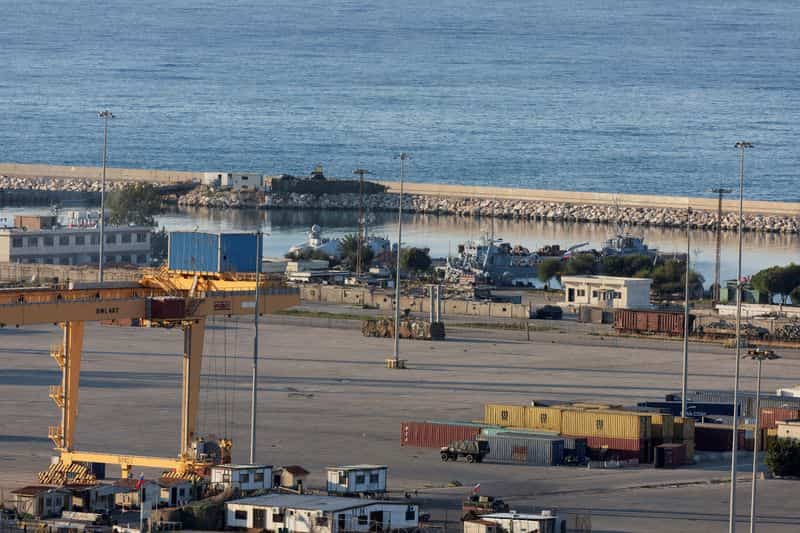
Russia is reportedly planning to launch a commercial logistics hub at its naval base in the Syrian port of Tartous by mid-July. The hub, intended to handle a variety of Russian goods including wheat and grains, aims for initial cargo volumes of around 250,000 tons per month. This initiative is seen as a key component of Russia's strategy to maintain and expand its influence in Syria through economic channels, particularly after the overthrow of President Bashar al-Assad.
The project is being developed by Syrian logistics company Rus Line in collaboration with Russian entities under the Russian-Syrian Business Council. Officials stated the hub will operate from Pier No. 4 within the naval base, while another berth will continue to serve Russian naval operations. The plan was reportedly discussed during a meeting between Syrian President Ahmed al-Sharaa and Russian President Vladimir Putin on January 28.
This development occurs amidst a broader struggle for influence in Syria, with the U.S. seeking to ensure contracts for American companies and curb Moscow's military presence. Syria, since Assad's fall, has been pursuing closer ties with Western and Gulf countries while maintaining cooperation with Russia in energy, food imports, and military matters. Russia and Syria are currently negotiating the future of Russia's military bases at Tartous and Hmeimim.
In 2025, Syria's new government canceled a long-standing contract with Russian company Stroytransgaz for developing commercial facilities at Tartous. Instead, UAE's DP World secured an $800 million, 30-year concession to redevelop and operate the port. However, the Russian-Syrian Business Council announced plans for the assembly and distribution center, indicating a continued Russian economic interest.
The U.S. is closely monitoring these developments. A U.S. State Department official expressed concern that such Russian initiatives may not foster stability in Syria and urged Damascus to engage trusted partners, especially U.S. firms, during the country's reconstruction, while also adhering to U.S. sanctions on Russia. Congressman Joe Wilson has also initiated efforts to assess options for reducing Russian influence in Syria.