Key facts
- A new report published by Ukraine and the EU on June 23 details Russian foreign influence operations targeting Ukraine's EU accession.
A joint report by Ukraine and the EU details Russian foreign influence operations aimed at undermining support for Ukraine's EU membership. The operations target both Ukrainian and EU audiences with tailored narratives to exploit fears and sow discord.
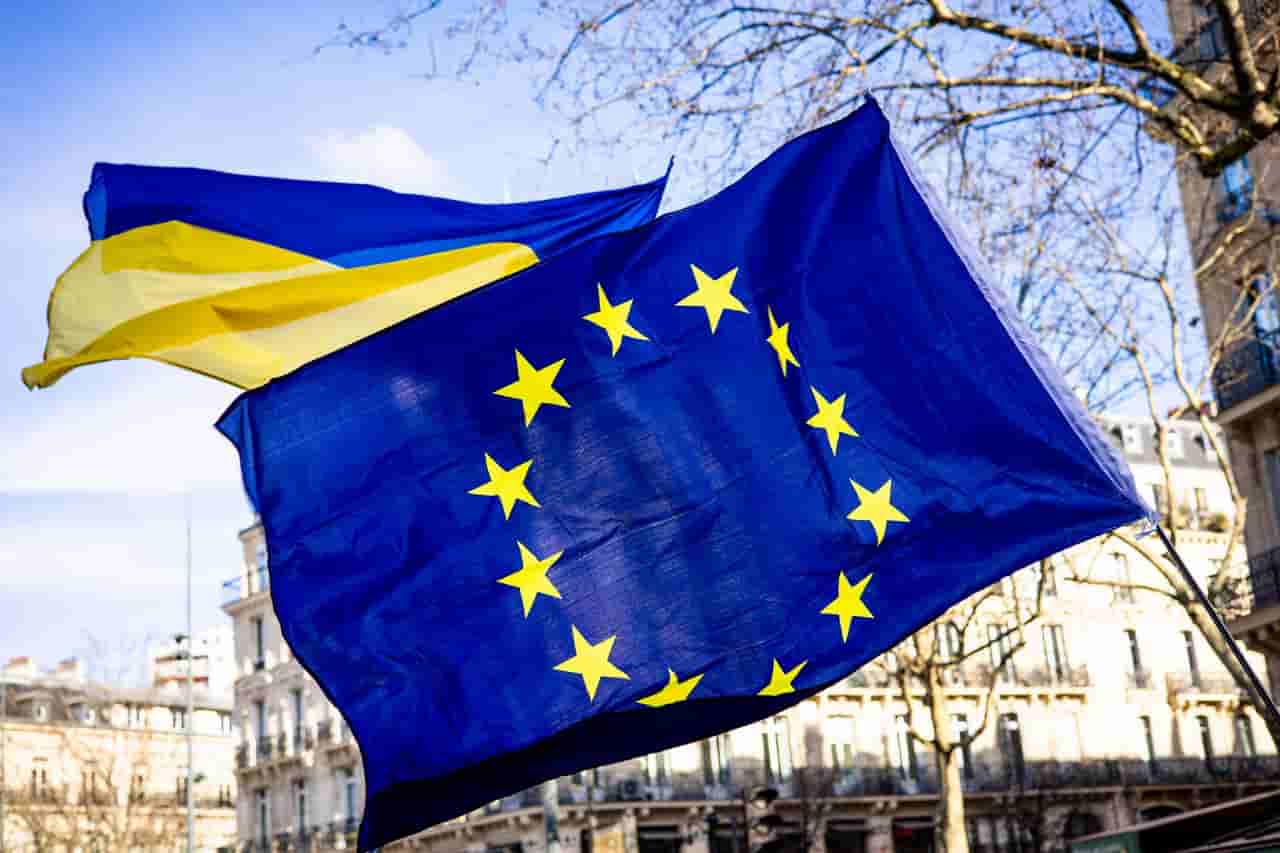
The report highlights a concerted Russian effort to destabilize Ukraine's European integration through disinformation, posing a significant challenge to Ukraine's geopolitical future and the EU's security. It underscores the need for coordinated countermeasures to protect democratic processes and national sovereignty.
A joint report released by Ukraine and the European Union on June 23 reveals that Russia is actively engaged in foreign influence operations to undermine Ukraine's accession to the bloc. These operations, investigated by the EU's diplomatic arm, aim to erode support for Kyiv's membership by exploiting various fears among both Ukrainian and EU citizens.
The report, co-produced by the European External Action Service and Ukraine's Center for Countering Disinformation, details how Russia disseminates tailored narratives. For Ukrainians, these narratives suggest the EU is prolonging the war, seeks to partition Ukraine, or aims to control the country. Within the EU, campaigns target specific national audiences, for instance, blaming Ukraine for financial hardship in Germany or highlighting alleged corruption in France. The report also notes the use of "event hijacking," such as leveraging historical disputes between Ukraine and Poland to amplify destructive narratives.
Kaja Kallas, the EU's top diplomat, stated in the report's foreword that a "democratic, sovereign, and successful Ukraine within the European family" represents a strategic failure for Russia's imperial ambitions. The report examined 500 incidents between January 2025 and May 2026, with 80 specifically linked to Ukraine's EU accession. It observed consistent patterns between Russian state channels and seemingly independent assets that amplify Kremlin talking points.
To counter these threats, the report calls for a robust and systematic joint response from the EU and Ukraine. This includes strategic communication to explain the European integration process, identifying foreign information manipulation and interference (FIMI) operations, active cooperation with digital platforms, and imposing sanctions against key actors involved. Kyrylo Budanov, head of Ukraine's presidential office, emphasized the need for a strong, coordinated approach.