Key facts
- Russian-held Crimea has suspended children's summer camps and tourist activities until September 1.
- Fuel sales to individuals and businesses in Crimea were halted starting Sunday.
Russian-held Crimea has suspended children's summer camps and tourist activities until September 1 due to a fuel crisis. Ukrainian attacks on supply routes and oil refineries have strained fuel availability across Russia.
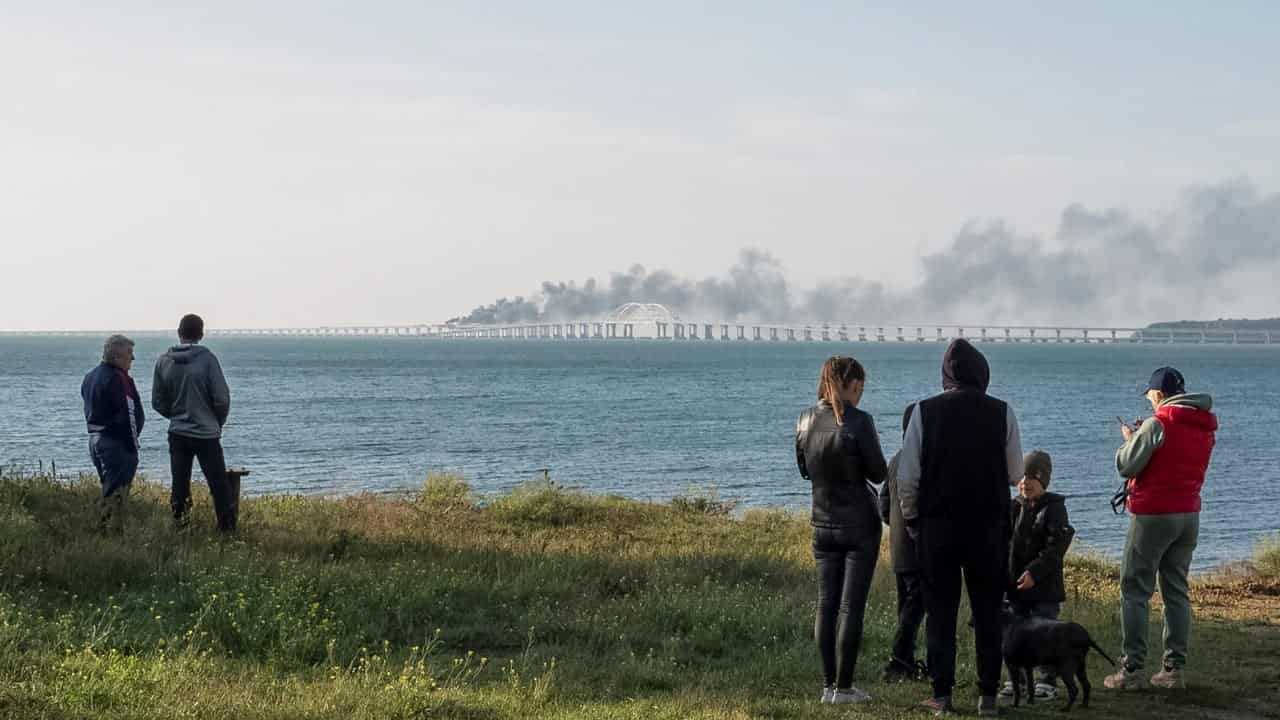
The fuel crisis in Russian-held Crimea, driven by Ukrainian strikes, highlights the impact of the ongoing conflict on civilian life and Russia's energy infrastructure, potentially affecting tourism and domestic fuel markets.
Russian-held Crimea has suspended children's summer camps and tourist activities until September 1 due to a severe fuel crisis, according to its governor, Sergei Aksyonov. The peninsula is experiencing strained supplies of fuel and other products as Ukraine targets both sea routes and land supply roads. This situation is exacerbated by Ukrainian drone attacks on Russian oil refineries, including those in Moscow, which have also impacted gasoline and diesel availability across Russia, the world's third-largest oil producer. Fuel stations in Crimea stopped all sales to individuals and businesses starting Sunday. Aksyonov stated the closure of camps was for public security. Despite widespread disruptions reported in various Russian regions, there has been no significant public outcry, partly due to restrictions on protests. Deputy Prime Minister Alexander Novak has met with officials and oil producers to devise a plan for market stability, while Kremlin spokesman Dmitry Peskov assured that efforts are underway to resolve the disruptions. Russia's fuel production and exports have seen a decline, with gasoline output reportedly dropping by about 25% last week compared to June 2025 averages, and seaborne oil product exports falling 15% in the first half of June.