Key facts
- Russia aims to launch a commercial logistics hub at its naval base in Syria's Tartous port by mid-July.
- The hub will handle goods like wheat, grains, and timber, targeting initial cargo volumes of 250,000 tons per month.
- The project is seen as a key economic channel for Russia to maintain and expand its influence in Syria.
- Syria's port authority spokesman denied reports of a Russian commercial logistics hub, calling them false.
- The U.S. is closely monitoring the project and expressed concern it may not contribute to stability in Syria.
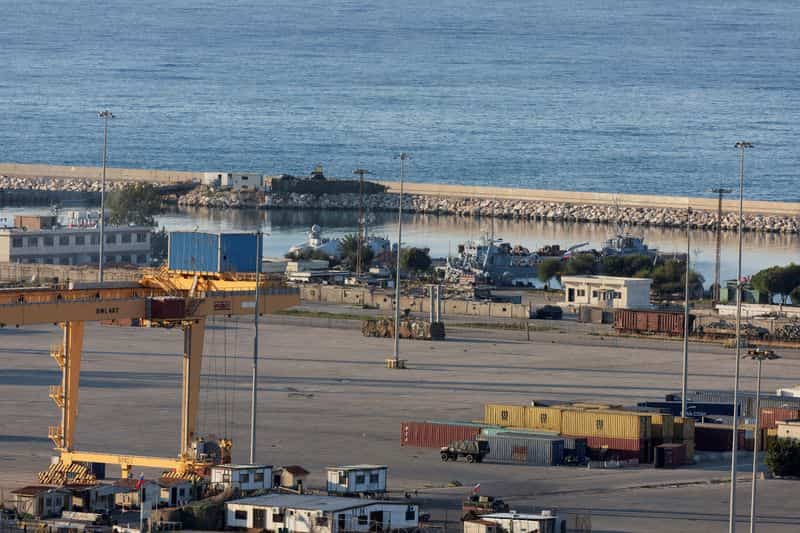
Russia is reportedly planning to establish a commercial logistics hub at one of the two berths it leases at the naval base in Syria's Tartous port, with operations potentially beginning by mid-July. The hub is intended to handle a variety of Russian goods, including wheat, grains, and timber, with an initial target of 250,000 tons per month. This initiative is viewed as a strategic move by Moscow to bolster its influence in Syria through economic channels, particularly following the overthrow of former President Bashar al-Assad.
The project is being developed by Syrian logistics company Rus Line in cooperation with Russian firms under the Russian-Syrian Business Council. Officials involved stated that the hub will operate from Pier No. 4 within the naval base's restricted zone, while the other berth will remain dedicated to Russian naval operations. Project organizers have agreed with Syria's Sovereign Fund on joint management.
However, the Syrian General Authority for Ports and Customs, through its spokesman Mazen Alloush, has denied these reports, describing them as "entirely false" and stating that any port-related agreements would be officially announced. This denial comes amidst a complex geopolitical landscape where the U.S. is also seeking to ensure Syrian contracts go to American companies and to curb Moscow's military presence.
Russia has been a long-standing ally of Syria, intervening militarily in 2015 to support Assad. Following Assad's fall, Damascus has sought closer ties with Western and Gulf countries. Moscow and Syria are currently negotiating the future of Russia's military bases at Tartous and Hmeimim. In 2025, Syria's new government cancelled a 49-year contract for Russian company Stroytransgaz to develop commercial facilities at Tartous, with the UAE's DP World securing a concession for redevelopment.
Despite these developments, the Russian-Syrian Business Council announced plans for an "assembly and distribution centre for Russian goods" at Tartous. Officials indicated that initial cargo volumes of around 250,000 tons per month are targeted, with operations expected to commence in mid-July with a 30,000-ton grain shipment. Russia's Foreign Ministry has acknowledged discussions about a possible "reformatting" of its military facilities in Syria.
The project aims to create a regular maritime route between Russia's Black Sea port of Novorossiysk and Tartous, facilitating distribution across Syria and into neighboring countries like Iraq and Jordan. The initiative could help Russia maintain influence regardless of its military presence, according to Nanar Hawach of the International Crisis Group.
The U.S. is closely monitoring these developments, with Congressman Joe Wilson securing an amendment to the Pentagon budget to assess options for reducing Russian influence in Syria. A U.S. State Department official expressed concern that such initiatives may not contribute to stability and encouraged Syria to engage with "trusted corporate partners – especially U.S. firms."