Key facts
- Russia's monthly production of key missiles is 10-20% above target, according to Ukraine's military intelligence.
- In July, Russia produced 87 Kh-101 cruise missiles, exceeding its target of 72.
- Russia met its annual production targets for Zircon and Oniks missiles by August 3.
- Russia has stopped producing Kinzhal missiles due to low precision and suspended Kh-32 production.
- July saw a significant increase in ballistic missile launches against Ukraine.
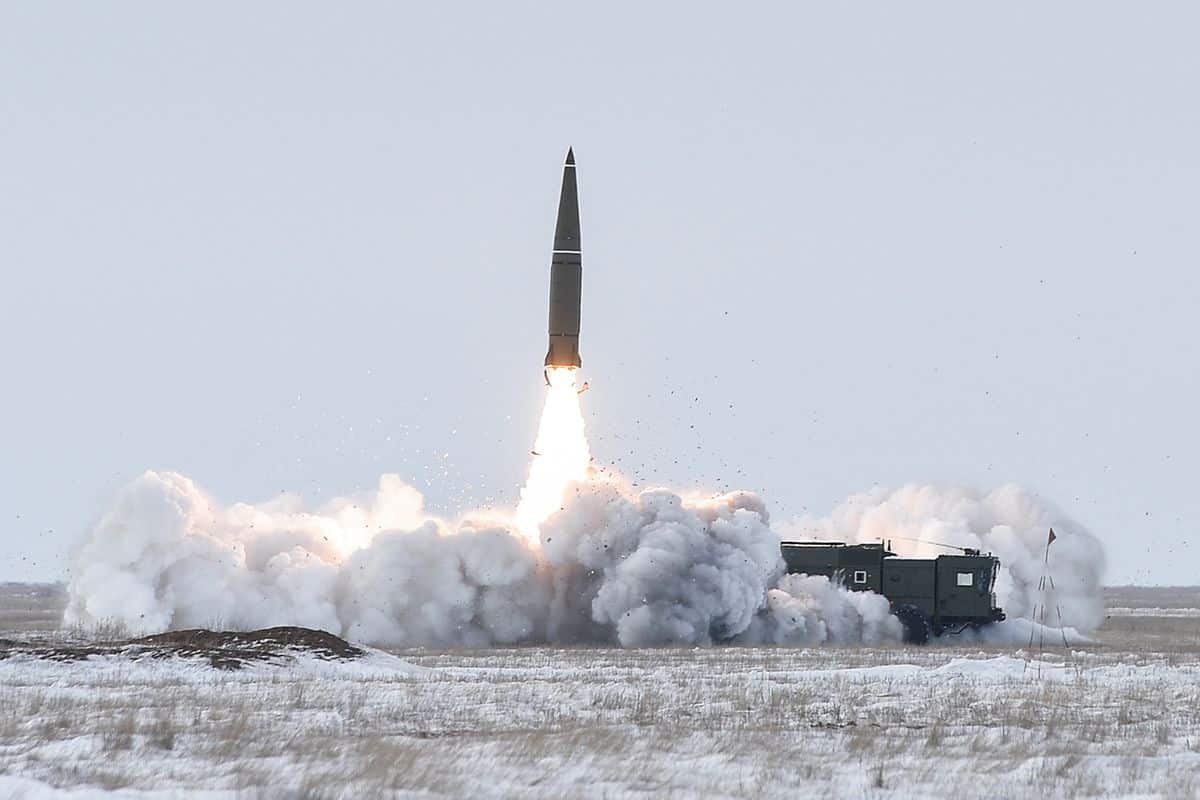
Russia's monthly production of key missiles is exceeding targets by 10-20%, with some models produced at double the planned rate, according to Vadym Skibitskyi, deputy head of Ukraine's military intelligence agency (HUR). This increase is straining Ukraine's air defense capabilities, which are already facing significant shortages, particularly for intercepting ballistic missiles.
In July, Russia produced 87 Kh-101 cruise missiles, reaching 140% of its planned output of 72. Kalibr cruise missile production in July was 29, exceeding its target of 26 by 11%. Kh-35 production reached 200% of its planned monthly output. By August 3, Russia had already fulfilled its annual production targets for Zircon and Oniks missiles, with 33 and 60 units manufactured respectively.
Skibitskyi stated that Russia has increased ballistic missile production partly due to a simplified system of technical controls and by halting the production of Kinzhal and Kh-32 missiles. The Kinzhal, an air-launched aeroballistic missile, was reportedly stopped in April due to its low precision, with deviations from the target exceeding 30 meters.
Despite production halts on some types, the overall trend indicates an increase in their use. July saw the second-highest number of Kh-101, Kalibr, and Kh-32 cruise missiles launched at Ukraine since the start of the year, with 153 such missiles fired. The trend is more pronounced with ballistic weapons, as Russia launched 198 ballistic missiles at Ukraine in July, the highest monthly figure so far.