Key facts
- The U.S. Patriot air defense system, a mobile surface-to-air missile defense system, is experiencing a sharp increase in demand.
- Supplies of Patriot interceptor missiles are depleted due to conflicts in Ukraine and the Middle East.
- The system, developed by Raytheon Technologies, can intercept aircraft, tactical ballistic missiles, and cruise missiles.
- Nineteen countries operate the Patriot system, with several seeking to replenish depleted stocks.
- A single Patriot battery costs over $1 billion, and individual missiles are estimated at $4 million to $5 million.
- The U.S. is in discussions to allow Ukraine to manufacture Patriot interceptor missiles.
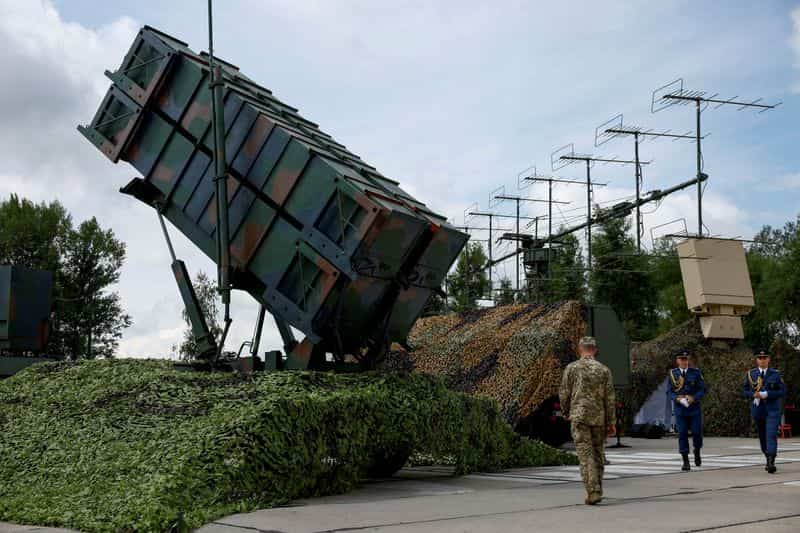
The U.S.-made Patriot air defense system, first deployed in the 1991 Gulf War, is experiencing unprecedented demand, leading to depleted global supplies of its interceptor missiles. This surge is driven by Ukraine's ongoing defense against Russian invasion and escalating conflicts in the Middle East.
The Patriot system, developed in the 1980s and continuously modernized, is a mobile surface-to-air missile defense system capable of intercepting aircraft, cruise missiles, and ballistic missiles, with newer PAC-3 variants employing advanced 'hit-to-kill' technology. Its radar can track over 100 targets simultaneously within a range of more than 150 km. Ukraine has reported successful intercepts of Russian Kinzhal missiles, which Moscow claims are hypersonic.
Raytheon Technologies has produced over 240 Patriot fire units, and thousands of interceptor missiles have been manufactured by Raytheon and Lockheed Martin. Nineteen countries, including the U.S., Germany, Poland, Ukraine, Japan, Qatar, Saudi Arabia, and Egypt, currently operate the system, with many seeking to replenish their stocks. A single Patriot battery can cost over $1 billion, with individual missiles estimated between $4 million and $5 million.
Inventory levels have been severely impacted, with U.S. stocks estimated to have fallen by approximately 65% between February and July. Saudi Arabia, for instance, expended a significant portion of its PAC-3 interceptors early in a conflict. To address these shortages, the U.S. has approved substantial interceptor sales to several Gulf nations and is in discussions with Ukraine about potentially manufacturing Patriot interceptor missiles domestically or in Europe. Lockheed Martin has also secured a large contract for future missile production.