HomeEverythingEducationTV
Equities & FundsCrypto & Digital AssetsAI & TechnologyBusiness & CorporateUS Politics & PolicyGeopolitics & Global RiskMacro, Rates & FXCommodities & EnergyEuropean Politics & MarketsAsia-PacificReal Estate & Property
Story archiveAll categories
← All Stories

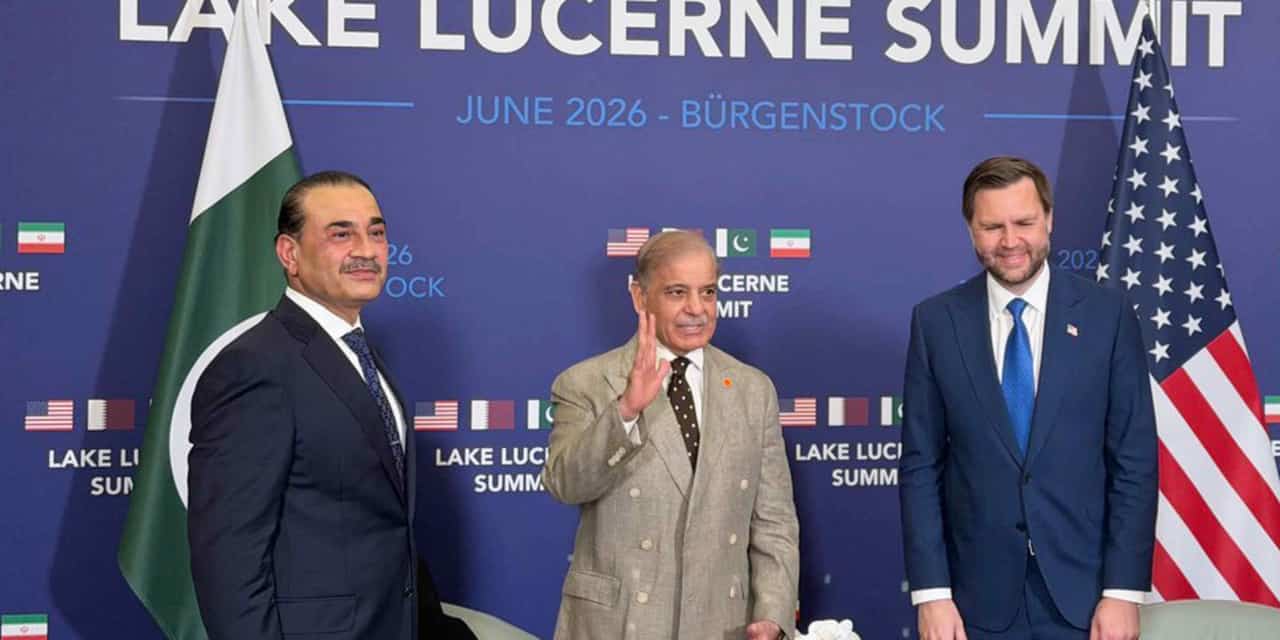
Pakistan brokers US-Iran ceasefire, seeks lasting influence

Created at 21 Jul · 8:11 PM1 source↑ Market-relevant
IN SHORT

Pakistan has brokered a fragile ceasefire between the United States and Iran, stepping into a role as a regional stabilizer. The country's leadership, including Prime Minister Shehbaz Sharif and Army Chief Field Marshal Asim Munir, is leveraging this diplomatic visibility to enhance its global standing and potentially translate it into economic and geopolitical gains.

✉Newsletter

PiQ Daily

Pick your topics. Get only what matters, on your cadence.

Key Numbers

40 daysduration of conflict before ceasefire
Feb. 28, 2025date of U.S.-Israeli strikes
Apr. 8, 2025date of ceasefire agreement

Who's Involved

Shehbaz Sharif
Prime Minister of Pakistan, co-led mediation efforts
Syed Asim Munir
Chief of Army Staff, Field Marshal, co-led mediation efforts
United States
One party in the U.S.-Iran conflict
Iran
One party in the U.S.-Iran conflict
Shan Saeed
Chief Economist at IQI Global, commented on Pakistan's repositioning
Pakistan brokers US-Iran ceasefire, seeks lasting influence

↳ Why This Matters

Pakistan's successful mediation of a U.S.-Iran ceasefire elevates its geopolitical standing, potentially transforming its image from a crisis-prone nation to a problem-solver and regional stabilizer. This newfound visibility could translate into significant economic and diplomatic gains, influencing regional stability and international relations.

Key facts

  • Pakistan has brokered a ceasefire between the United States and Iran following weeks of conflict.
  • The talks were led by Prime Minister Shehbaz Sharif and Army Chief Field Marshal Asim Munir.
  • The ceasefire halted 40 days of sustained conflict.
  • Pakistan's diplomatic efforts are seen as a shift towards global relevance and problem-solving.
  • The country aims to convert this visibility into lasting geopolitical and economic influence.

Pakistan has entered a significant diplomatic moment, brokering a fragile ceasefire between the United States and Iran after weeks of escalating conflict. This achievement positions the country as a credible regional stabilizer, a role it has long aspired to play.

The crisis, which began with coordinated U.S.-Israeli strikes on Iranian military and nuclear infrastructure on February 28, 2025, led to Iranian retaliation including missile barrages and the closure of the Strait of Hormuz. This pushed the region toward wider conflict, with immediate existential stakes for Pakistan due to threatened energy supplies, surging global oil prices, and risks to millions of Pakistani workers in the Gulf.

Stepping into the vacuum left by traditional mediators, Islamabad, under the leadership of Prime Minister Shehbaz Sharif and Army Chief Field Marshal Asim Munir, hosted proximity talks that culminated in an April 8 ceasefire. This truce halted 40 days of sustained conflict and created a diplomatic opening.

Analysts like Shan Saeed, chief economist at IQI Global, view this as more than a one-time event, suggesting Pakistan has signaled its role as a stabilizing power. This perception, Saeed argues, has been building over the past year, bolstered by Pakistan's military performance in a May 2025 conflict with India, diplomatic outreach to the U.S., a defense pact with Saudi Arabia, and renewed coordination with China on the China-Pakistan Economic Corridor. This coordinated approach between civilian and military leadership reflects a "structured doctrine of engagement," enhancing Pakistan's credibility.

The Islamabad talks reinforced this credibility, with Pakistan's leadership demonstrating neutrality by engaging both Washington and Tehran with equal visibility. This generated significant global attention and led to outreach from dozens of world leaders following the ceasefire, presenting Pakistan with opportunities for economic translation, geopolitical relevance, and institutional signaling.

Frequently asked questions

Coordinated U.S.-Israeli strikes on February 28, 2025, targeted Iranian military and nuclear infrastructure, leading to Iran's response.

Prime Minister Shehbaz Sharif and Army Chief Field Marshal Asim Munir led the diplomatic efforts.

Pakistan aims for economic translation, increased geopolitical relevance, and enhanced institutional credibility.

What Happens Next

01Pakistan seeks to convert its current diplomatic visibility into lasting influence.
02The country aims to leverage its role for economic translation, geopolitical relevance, and institutional signaling.

Get the newsletter.

Pick the topics you actually care about. We'll email when there's news worth your time, on the cadence you choose. Cancel any time from your account.

Cadence

How It Developed

A Middle East crisis escalated with U.S.-Israeli strikes on Iranian infrastructure in February 2025.
Iran responded with missile barrages and attacks on U.S. bases, closing the Strait of Hormuz.
Pakistan stepped into a mediating role due to threats to energy supplies and Gulf-based workers.
Prime Minister Shehbaz Sharif and Army Chief Field Marshal Asim Munir led proximity talks in Pakistan.
A ceasefire was reached on April 8, halting 40 days of conflict.
Pakistan's diplomatic engagement has been building over the past year, including with the U.S. and Saudi Arabia.
The country's leadership demonstrated neutrality by engaging both Washington and Tehran.
The ceasefire generated global attention and outreach from world leaders to Pakistan.

Sources

T1
Pakistan's moment has arrivedNikkei Asia
T2
Pakistan has arrived — but can it stay? | Nuktanukta.com

Related Stories

Tanker struck in Strait of Hormuz amid escalating US-Iran conflict
21 Jul · 3:26 AM
Ghalibaf navigates diplomacy amid hardline opposition in Iran
21 Jul · 10:11 AM
Iran threatens US, allies if nuclear sites hit
21 Jul · 4:06 PM
Israel's finance minister says US war on Iran is 'best for us'
21 Jul · 9:36 AM
Nearly 100 US troops injured in Iran strikes, Pentagon says
21 Jul · 8:51 PM