Key facts
- Mohammad Bagher Ghalibaf, Iran's parliament speaker, is pursuing diplomacy with the US.
- He faces opposition from hardliners who accuse him of compromising Iran's strategic leverage.
- Ghalibaf maintains an alliance with Mojtaba Khamenei, the current supreme leader.
- Hardline factions protested a proposed Memorandum of Understanding (MoU) aimed at ending hostilities.
- Ghalibaf is a former Revolutionary Guard commander with extensive military and political experience.
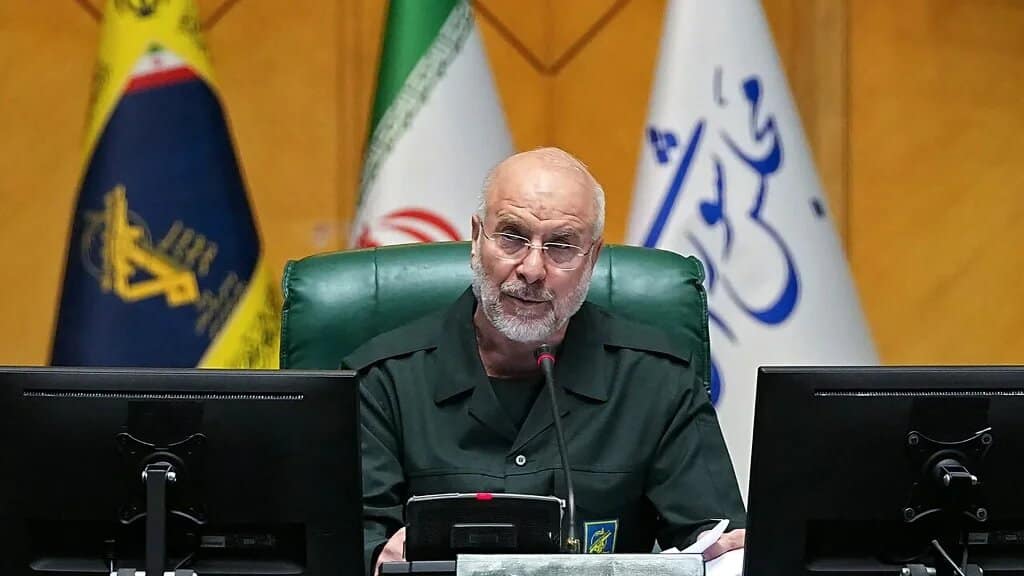
Mohammad Bagher Ghalibaf, Iran's parliament speaker and chief negotiator in talks with the United States, is facing significant political pressure. A conservative and former Revolutionary Guard commander, Ghalibaf is attempting to navigate Iran away from confrontation with Washington through diplomatic means. However, he is encountering strong opposition from hardliners who accuse him of compromising the country's strategic leverage.
A senior political source described Ghalibaf as a conservative pragmatist who favors improving relations with the West while maintaining Iran's strategic partnership with China. His foreign policy approach is seen as similar to that of former moderate president Hassan Rouhani, but Ghalibaf is careful not to alienate the conservative base. This strategic outlook is reportedly shared by Mojtaba Khamenei, the current supreme leader, which has solidified their political alliance.
This partnership has enabled Ghalibaf to withstand backlash since initiating negotiations with the US. Following initial talks in Islamabad, hardline figures reportedly appealed to Mojtaba Khamenei, alleging Ghalibaf had crossed Iran's red lines. However, Mojtaba Khamenei continued to support Ghalibaf, later appointing him as Iran's special representative to China.
Ghalibaf's background includes extensive military service in the Iran-Iraq War and a rise through the ranks of the Islamic Revolutionary Guard Corps (IRGC). He held senior positions, including commander of the IRGC Air Force, and was involved in dispersing student protests in 1999. He later served as chief of Iran's Law Enforcement Forces and headed the Anti-Smuggling Headquarters.
Transitioning to electoral politics, Ghalibaf ran for president multiple times, withdrew in favor of Ebrahim Raisi in 2017, and was reportedly asked by Supreme Leader Ali Khamenei not to run in 2009. He also served as mayor of Tehran for 12 years. Despite his conservative credentials, he has become a target for hardliners, frequently clashing with the late President Ebrahim Raisi.
Opposition from hardline factions intensified as Iran and the US moved towards a Memorandum of Understanding (MoU) to end hostilities. Demonstrators protested the proposed agreement, accusing Ghalibaf and Foreign Minister Abbas Araghchi of betrayal. Hardline media outlets, including Javan and Kayhan, criticized the negotiations, with Kayhan accusing Ghalibaf and Araghchi of compromising the Strait of Hormuz. Lawmakers aligned with the Paydari Front claimed Mojtaba Khamenei's views were disregarded during the talks. Hostilities resumed in July, leading to the collapse of the MoU signed on June 17.