HomeEverythingEducation
Equities & FundsCrypto & Digital AssetsAI & TechnologyBusiness & CorporateUS Politics & PolicyGeopolitics & Global RiskMacro, Rates & FXCommodities & EnergyEuropean Politics & MarketsAsia-PacificReal Estate & Property
Story archiveAll categories
← All Stories

Iran discusses Hormuz Strait with Oman and Turkey amid traffic standstill

Created at 9 Jul · 12:47 PM4 sources↑ Market-relevant4 events
IN SHORT

Oil tanker traffic through the Strait of Hormuz has fallen steeply following U.S. airstrikes on Iran and retaliatory attacks. Iran is discussing the situation with Oman and Turkey via diplomatic channels to prevent escalation.

✉Newsletter

PiQ Daily

Pick your topics. Get only what matters, on your cadence.

Key Numbers

23tankers and cargo ships crossed Hormuz on Wednesday
47ships crossed Hormuz a week prior
138average daily ships transiting Hormuz pre-conflict
72peak ships transiting Hormuz on June 24 after deal
28ships peaked using Omani route on June 25
10average daily ships using Omani route pre-latest attacks
0ships used Omani route on Wednesday
60days of safe passage commitment in MOU

Who's Involved

Iran
discussing Hormuz Strait situation with Oman and Turkey
Oman
involved in discussions regarding Hormuz Strait traffic
Turkey
involved in discussions regarding Hormuz Strait traffic
US
launched airstrikes on Iran and conducted strikes on Iranian targets
Iran's Revolutionary Guard Corps
claims US actions disrupt strait reopening and warns against interference
Donald Trump
US President accusing Iran of truce violation and stating MOU is over
Kpler
maritime intelligence firm providing traffic data
Joint Maritime Information Center (JMIC)
multinational maritime group providing pre-conflict traffic data
EOS Risk Group
security firm providing analysis on strike patterns
Jennifer Parker
maritime security expert at the University of New South Wales
Iran discusses Hormuz Strait with Oman and Turkey amid traffic standstill

↳ Why This Matters

The Strait of Hormuz is a critical global chokepoint for oil and gas, and escalating tensions between Iran and the U.S. threaten to disrupt vital supply chains, impacting global energy markets and potentially leading to further economic instability.

Key facts

  • Oil tanker traffic through the Strait of Hormuz has fallen steeply following U.S. airstrikes and Iranian retaliation.
  • Just 23 tankers and cargo ships crossed the critical waterway on Wednesday, down from 47 a week prior.
  • Three ships were struck this week in Omani waters, prompting Iran to reiterate its demand that all traffic use its approved routes.
  • Iran is discussing the situation with Oman and Turkey via diplomatic channels to prevent escalation.
  • A deal signed June 17 included steps to reopen the strait, but Iran's insistence on controlling passage and the US revoking a sanctions-easing license have complicated matters.

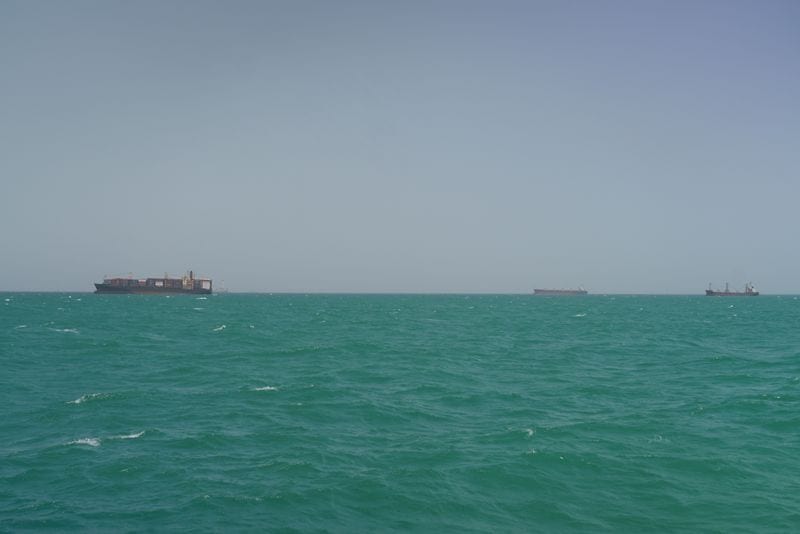
Traffic through the Strait of Hormuz has fallen steeply following a series of tit-for-tat strikes by the U.S. and Iran, with just 23 tankers and cargo ships crossing the critical Gulf waterway on Wednesday, down from 47 a week prior. The incidents follow an attack on three tankers earlier this week, which were using a U.S.-recommended route through Omani waters. Iran has repeatedly stated that the only "safe" route is a separate route through its own waters.

For decades, vessels have been granted free passage through the strait, which handles more than a fifth of the world's oil and gas supplies, as well as fertilizer shipments and other vital goods. Before the recent conflict, an average of 138 ships transited the strait daily. Following initial U.S. and Israeli strikes on Iran on February 28, traffic dropped to a handful of ships per day, with Iran effectively closing the strait by attacking ships and laying mines, and the U.S. responding with a blockade on Iranian ports.

A deal signed on June 17 aimed to end the conflict and included provisions for reopening the strait, with Washington agreeing to lift its naval blockade and ease sanctions on Iranian oil exports. Following this agreement, traffic levels initially increased, peaking at 72 ships on June 24. However, Iran has insisted on its right to control passage and impose fees, a stance opposed by the U.S. and its allies who advocate for free and open passage.

Iran subsequently established lanes near its coast, declaring them the only safe route. The Joint Maritime Information Center (JMIC) recommended an alternative route through Omani waters. This Omani route saw a peak of 28 vessels on June 25, surpassing the Iranian route. However, on June 25 and 27, two ships in Omani waters were struck, leading Iran to warn all vessels to use its approved routes. U.S. President Donald Trump accused Iran of a "foolish violation," and the U.S. military conducted strikes on Iranian targets. Iran, in turn, accused the U.S. of violating the interim deal and struck targets linked to American forces.

The recent attacks on three ships have caused a significant slump in traffic via the Omani route. No ships used it on Wednesday, down from three the previous day, and averaging about 10 daily in the week prior. Martin Kelly, senior intelligence analyst at EOS Risk Group, anticipates a familiar pattern of back-and-forth strikes until another agreement is reached.

The June 17 memorandum of understanding (MOU) committed Iran to "best efforts for the safe passage of commercial vessels with no charge for 60 days" and to "conduct dialogue with the Sultanate of Oman to define the future administration and maritime services in the Strait of Hormuz." Iran interprets these clauses as granting it control, while critics note the lack of long-term commitment to free passage. Jennifer Parker, a maritime security expert, stated the MOU does not permit Iran to attack civilian shipping in Omani waters. Concerns over sea mines laid by Iran also contribute to reduced traffic levels.

Iran's Revolutionary Guard Corps asserted that "foreign powers have no claim to this land or to the Strait of Hormuz" and warned that "any interference in determining shipping routes" would provoke a "crushing response." President Trump declared the MOU "over" but indicated negotiations could continue. Iran also accused the U.S. of violating the agreement by revoking a Treasury license that had eased sanctions on its oil exports. Parker noted that neither economic relief nor military threats have altered Iran's behavior, highlighting the challenge of balancing "the carrot and the stick."

Frequently asked questions

The Strait of Hormuz is a vital maritime chokepoint connecting the Persian Gulf to the Gulf of Oman and the open ocean. It is crucial for global oil and gas shipments.

Traffic has decreased due to tit-for-tat strikes between the U.S. and Iran, attacks on commercial vessels, and Iran's insistence that ships use its designated routes, which the U.S. and allies oppose.

A memorandum of understanding signed on June 17 committed Iran to facilitating safe passage for commercial vessels for 60 days and to discuss future administration of the strait with Oman. The U.S. also agreed to ease sanctions on Iranian oil exports.

Iran insists it has the right to control movement through the strait, introduce fees, and has designated specific lanes as the only safe routes. It warns against any interference in determining shipping routes.

What Happens Next

01Iran continues diplomatic discussions with Oman and Turkey regarding the Strait of Hormuz.
02Negotiations between Iran and the U.S. may continue despite President Trump's statement that the MOU is over.

Get the newsletter.

Pick the topics you actually care about. We'll email when there's news worth your time, on the cadence you choose. Cancel any time from your account.

Cadence

How It Developed

Oil tanker traffic through the Strait of Hormuz is nearly stopped due to U.S. airstrikes on Iran and retaliatory attacks.
Iran's IRGC claims US actions are disrupting the Strait of Hormuz reopening and states transit capacity under its supervision is at 50% of pre-war levels.
Iran is discussing the Strait of Hormuz situation with Oman and Turkey via diplomatic channels to prevent escalation.
Traffic through the Strait of Hormuz has fallen steeply after a series of tit-for-tat strikes by the US and Iran.
Just 23 tankers and cargo ships crossed the critical Gulf waterway on Wednesday, down from 47 from a week before.
Three ships were struck this week using a US-recommended route through Omani waters.
Iran has repeatedly said the only "safe" route is a separate route through its waters.
Before the conflict began, an average of 138 ships crossed through the strait each day.

Sources

T1
Traffic through Strait of Hormuz falls steeply after new US-Iran strikesBBC News
T1
Oil tanker traffic through Hormuz at near standstill as attacks strain Iran truceReuters
T1
Iran says US attacks disrupt reopening of Strait of HormuzMiddle East Eye
T1
Iran discusses Hormuz Strait with Oman and TurkeyMiddle East Eye

Related Stories

Oil Prices Ease as Trump Signals Limited Iran Action; Stocks Steady
8 Jul · 3:45 PM
US-Iran conflict revives inflation, recession risks
9 Jul · 9:10 AM
Iran accuses US of violating Strait of Hormuz deal; Pakistan urges adherence
8 Jul · 5:13 PM
Iran strikes US bases in Bahrain, Kuwait; Trump warns of escalation
8 Jul · 10:05 PM
US strikes kill three in Iran, state media says
8 Jul · 4:05 PM