HomeEverythingEducation
Equities & FundsCrypto & Digital AssetsAI & TechnologyBusiness & CorporateUS Politics & PolicyGeopolitics & Global RiskMacro, Rates & FXCommodities & EnergyEuropean Politics & MarketsAsia-PacificReal Estate & Property
Story archiveAll categories
← All Stories

US-Iran conflict revives inflation, recession risks

Created at 9 Jul · 9:10 AM1 source↑ Market-relevant
IN SHORT

A resumption of missile strikes between the U.S. and Iran has disrupted global oil supply, leading to higher prices and increased risks of inflation and recession, according to economists and analysts. China has called for de-escalation.

✉Newsletter

PiQ Daily

Pick your topics. Get only what matters, on your cadence.

Key Numbers

1200+deaths in Iran
570+deaths in Lebanon
12+deaths in Israel
7American service members killed
20%world's oil supply normally passes through Strait of Hormuz
$120per barrel oil price surge
0.2percentage point inflation boost in U.S.
3.1%U.S. inflation by year-end
30%probability of U.S. recession (Goldman Sachs)
40%chance of severe U.S. downturn (EY-Parthenon)
$3.98national average U.S. gas price
$5.37U.S. diesel price
1.5%expected U.S. food price increase
8%U.S. Postal Service postage surcharge

Who's Involved

China
called for peace and dialogue between the U.S. and Iran
United States
involved in military strikes against Iran
Iran
involved in missile and drone strikes against U.S. targets
Goldman Sachs
analysts estimating inflation and recession risks
EY-Parthenon
consulting firm with recession forecasts
Gregory Daco
chief economist at EY-Parthenon
Gus Faucher
chief economist at PNC Financial Services Group
Donald Trump
President of the United States
Pete Hegseth
U.S. Defense Secretary
US-Iran conflict revives inflation, recession risks

↳ Why This Matters

The conflict's disruption of global oil supply and shipping routes is directly contributing to rising inflation and increasing the likelihood of a U.S. recession, impacting consumers, businesses, and global economic stability.

Key facts

  • The conflict between the U.S., Israel, and Iran has led to missile strikes and regional spillover.
  • Shipping through the Strait of Hormuz, vital for oil transport, has been severely disrupted.
  • Oil prices surged above $120 per barrel, with Brent crude rising.
  • Economists warn of increased U.S. inflation and recession risks due to higher energy prices.
  • Food and transportation costs are also expected to rise due to supply chain disruptions.
  • China has urged the U.S. and Iran to pursue dialogue and avoid force.

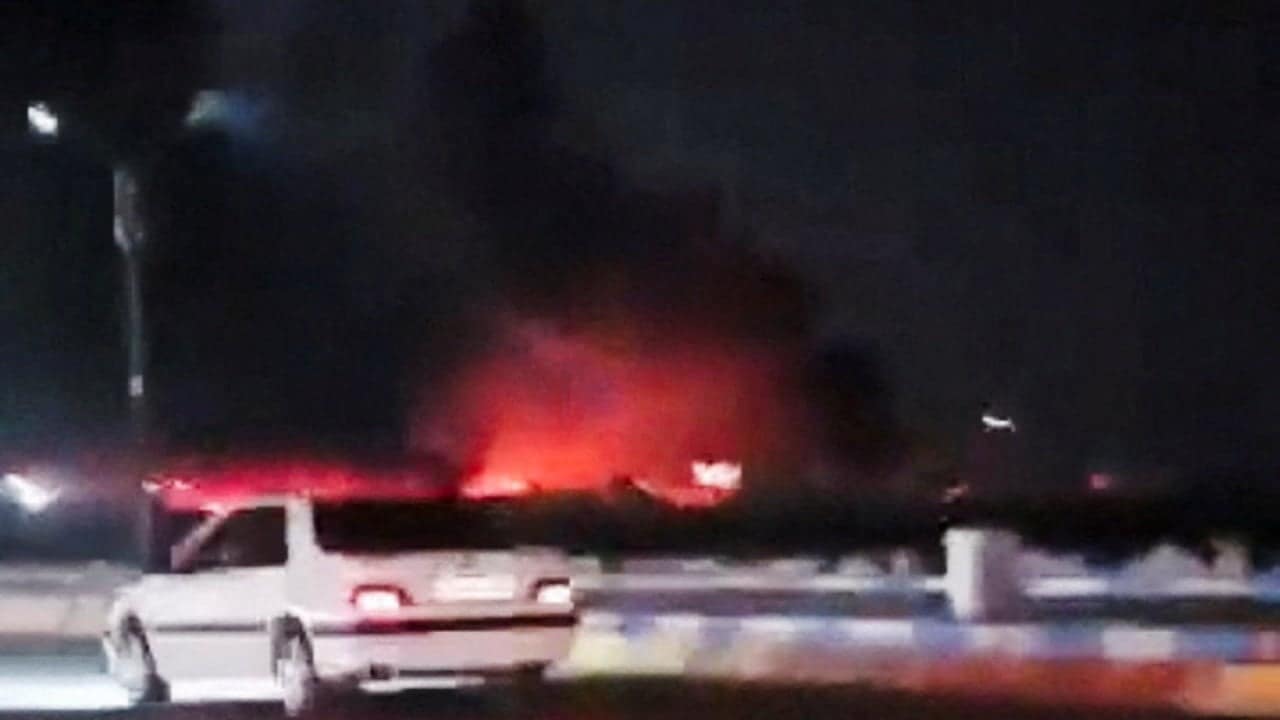
The conflict between the United States, Israel, and Iran has escalated into a significant geopolitical crisis, marked by missile and drone strikes targeting U.S. bases and infrastructure across the Gulf. This resumption of hostilities has severely disrupted shipping through the Strait of Hormuz, a critical chokepoint for global oil supply, causing oil prices to surge above $120 per barrel.

Economists and analysts warn that the sustained disruption to global energy markets is likely to fuel inflation and increase the probability of a U.S. recession. Goldman Sachs analysts estimate a 0.2 percentage point boost to U.S. inflation, potentially reaching 3.1% by year-end, and have raised the recession probability to 30%. EY-Parthenon economists foresee a 40% chance of a severe downturn, citing persistent inflation due to the conflict's impact on oil supply.

The rising cost of energy is already affecting consumers, with the national average gas price climbing to $3.98 a gallon and diesel prices seeing an even steeper increase. Beyond fuel, the conflict's impact on fertilizer supplies is expected to drive up U.S. food prices by approximately 1.5% this year. The transportation industry is also facing higher costs, with airlines implementing surcharges and the U.S. Postal Service introducing a temporary postage surcharge.

China has called for de-escalation, urging the U.S. and Iran to adhere to peace plans and resolve disputes through dialogue. The strategic objectives of the U.S. military campaign have been subject to ambiguity, with conflicting statements from President Donald Trump and defense officials contributing to market uncertainty.

Frequently asked questions

A resumption of missile strikes between the U.S. and Iran has disrupted shipping through the Strait of Hormuz, a key oil transit route.

Economists predict higher U.S. inflation, increased recession risks, rising food prices due to fertilizer supply disruptions, and higher transportation costs.

China has called on the U.S. and Iran to adhere to peace plans, resolve disputes through dialogue, and avoid resorting to force.

Consumers are facing higher gasoline and diesel prices, and are expected to see increased food prices due to disruptions in fertilizer supply.

What Happens Next

01Economists will continue to monitor oil prices and their impact on inflation and growth forecasts.
02Further escalation or de-escalation of the conflict will influence market sentiment and economic outlooks.
03The U.S. and Iran's strategic objectives and potential endgame of the conflict remain uncertain.

Get the newsletter.

Pick the topics you actually care about. We'll email when there's news worth your time, on the cadence you choose. Cancel any time from your account.

Cadence

How It Developed

Coordinated strikes against Iranian military facilities began in late February 2026.
Iranian missile and drone strikes have targeted U.S. bases and infrastructure in the Gulf.
The conflict has caused over 1,200 deaths in Iran, 570 in Lebanon, and 12 in Israel.
Seven American service members have been killed in action.
Shipping through the Strait of Hormuz has been severely disrupted.
Oil prices surged above $120 per barrel during the first phase of the war.
Goldman Sachs analysts estimate higher energy prices will boost U.S. inflation by 0.2 percentage points.
Goldman Sachs increased the probability of a U.S. recession over the next year to 30%.

Sources

T1
US-Iran ceasefire collapse revives risks of global inflationSouth China Morning Post
T2
Iran war fallout raises odds of a U.S. recession, economists saycbsnews.com
T2
RCSGS | Research - The Iran War and Its Global Consequencesrcsgs.org

Related Stories

Oil Prices Surge as U.S.-Iran Tensions Escalate, Tanker Traffic Halts
8 Jul · 3:45 PM
Iran Warns Tankers in Strait of Hormuz, Prioritizing Control Over Nuclear Program
8 Jul · 11:55 AM
Iran accuses US of violating Strait of Hormuz deal; Pakistan urges adherence
8 Jul · 5:13 PM
Iran MOU collapses amid escalating tit-for-tat attacks
8 Jul · 12:06 PM
Trump Declares Iran Ceasefire Over, Triggering Market Turmoil
8 Jul · 10:10 AM