Key facts
- NATO is ready to make any Russian move costlier than it is worth, according to military chief Admiral Giuseppe Cavo Dragone.
- Dragone believes Ukraine is currently gaining ground in the conflict.
- NATO's immediate goal is a ceasefire and a lasting peace agreement for Ukraine.
- The alliance is incorporating lessons on drone warfare and rapid adaptation from the Ukraine conflict.
- NATO is rebalancing its procurement strategy to include cost-effective "good-enough" weapons alongside high-end systems.
- Member states are progressing towards the 5% of GDP defense spending pledge, but procurement speed needs acceleration.
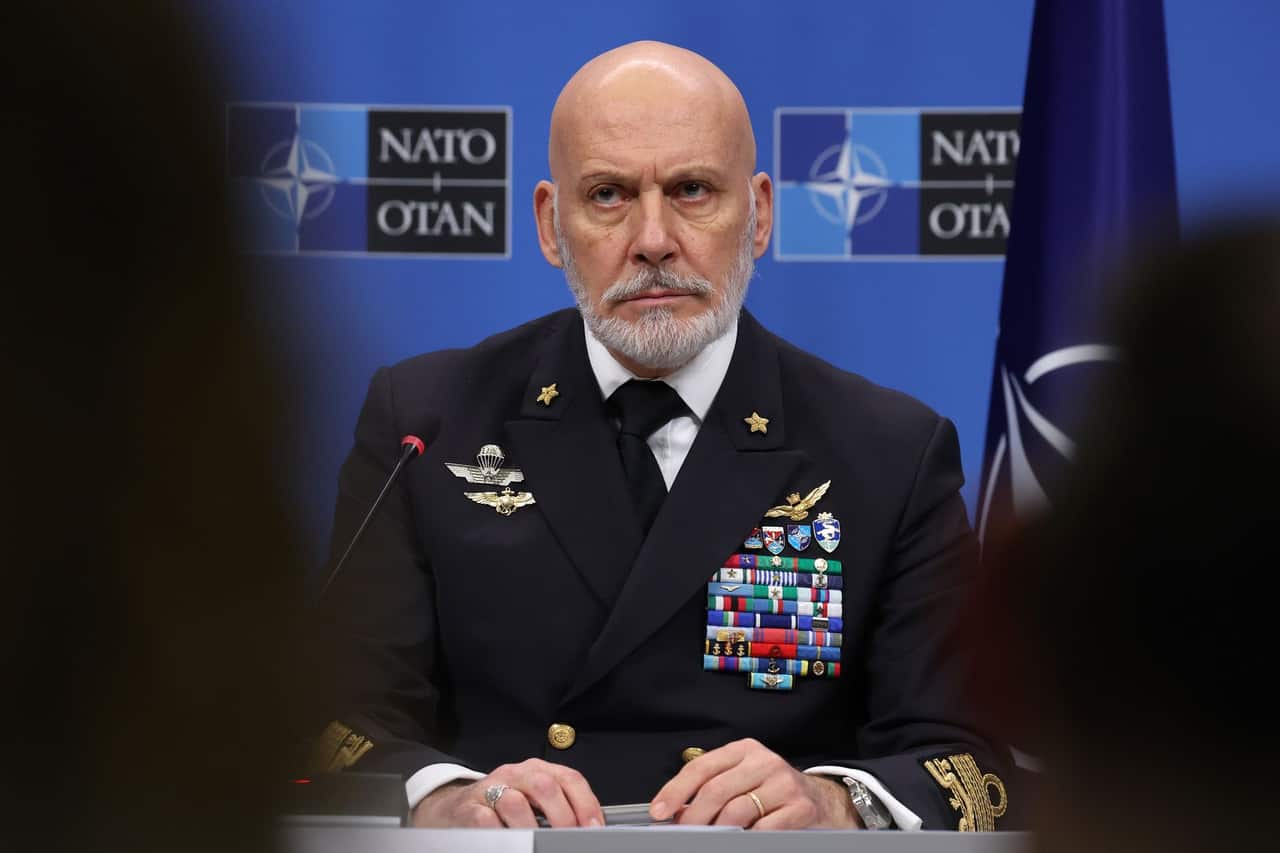
NATO is prepared to counter any hostile moves by Russia, making such actions more costly than they are worth, according to Admiral Giuseppe Cavo Dragone, Chair of the NATO Military Committee. In an exclusive interview with The Kyiv Independent, Dragone expressed confidence in the alliance's ability to adapt and maintain its technological edge, drawing crucial lessons from the ongoing Russia-Ukraine war.
Dragone confirmed that NATO sees Ukraine currently gaining ground, suggesting Russia's strong reactions may stem from frustration. However, he cautioned against envisioning a simple territorial recapture or Russian withdrawal, emphasizing that NATO's immediate priority is a ceasefire and the pursuit of a long-lasting peace for Ukraine. The alliance is actively analyzing battlefield developments, particularly concerning drones, electronic warfare, and the speed of innovation and adaptation, learning significantly from Ukrainian warriors.
Addressing concerns about Russia's combat readiness, Dragone noted that while Russia is depleting its stockpiles, it also possesses valuable combat experience. He stated that NATO is re-evaluating its procurement culture, aiming to strike a balance between expensive, high-end systems and more cost-effective, "good-enough" weapons suitable for modern conflict theaters. This adaptation is crucial as NATO faces the dual threats of Russia in conventional warfare and terrorist groups in unconventional areas.
Regarding defense spending, Dragone acknowledged progress towards the pledge of increasing spending to 5% of GDP, with nations moving in the right direction. However, he stressed the need for greater speed in procurement and highlighted the importance of shared requirements across member nations to achieve production scale and cost reductions. Manpower was identified as a potential bottleneck, but NATO is working to make military careers more appealing to address this.
Dragone also indicated that NATO will continue to deploy its stockpiles to Ukraine and is exploring joint ventures with Ukrainian industry, recognizing Ukraine's emerging role as a security provider. He noted that Ukraine's ability to certify and qualify equipment on the battlefield contrasts with NATO's longer, multi-year processes, highlighting an area for improvement.