Key facts
- Indian Prime Minister Narendra Modi spoke with Iranian President Masoud Pezeshkian.
- Modi emphasized the importance of freedom of navigation in the Strait of Hormuz.
- Modi reaffirmed India's stance that disputes should be resolved through dialogue.
- Pezeshkian invited Modi to the funeral of Ayatollah Ali Khamenei.
- Pezeshkian reportedly asked India to mediate an end to the Gulf war using its BRICS leadership.
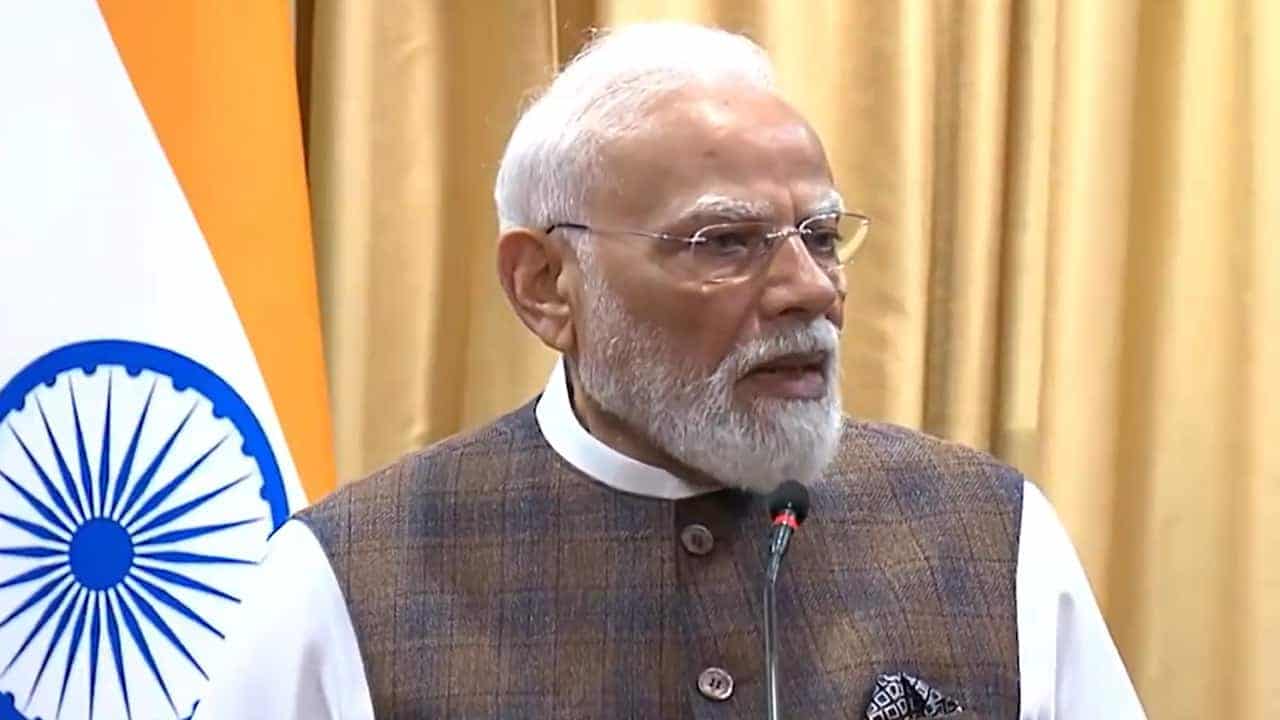
Indian Prime Minister Narendra Modi engaged in a diplomatic call with Iranian President Masoud Pezeshkian to discuss the escalating situation in West Asia and potential de-escalation strategies. During the conversation, Modi emphasized the critical importance of maintaining freedom of navigation through the Strait of Hormuz, a vital artery for India and global trade.
Modi's office stated that he welcomed the understanding reached between the parties and reiterated India's firm position that all disputes should be resolved through dialogue and diplomacy. He also underscored the necessity of sustained efforts to ensure lasting peace and stability in the region, while simultaneously safeguarding navigation and trade routes.
President Pezeshkian had extended an invitation to Prime Minister Modi to attend the funeral of the late Iranian Supreme Leader Ayatollah Ali Khamenei, scheduled for the following week.
In a separate report, it was indicated that Pezeshkian had called Modi on March 21, 2026, proposing that India leverage its chairmanship of the BRICS bloc to broker a ceasefire in the Gulf war. This appeal was made as Riyadh reportedly severed its final diplomatic ties with Tehran. The conflict, which has resulted in over 1,500 Iranian casualties and a prolonged closure of the Strait of Hormuz, has prompted Iran to seek mediation from non-Western powers. This outreach is seen as a significant diplomatic move, particularly as Western mediation efforts have stalled and the UN Security Council has been deadlocked. For India, the stakes are high due to its substantial oil imports from Saudi Arabia, the presence of millions of its citizens in the Gulf, and its deployment of warships to escort tankers through the region's volatile waterways.