Key facts
- Iran's chief negotiator Mohammad Bagher Qalibaf stated that diplomacy with the US is the priority.
- Qalibaf warned that Iran is prepared for war if negotiations fail.
- Tehran will not proceed with further negotiations until key provisions of a memorandum of understanding (MoU) are met.
- These provisions include issues related to Lebanon, oil exports, and navigation through the Strait of Hormuz.
- Iran has exported over 40 million barrels of oil since a US blockade was lifted.
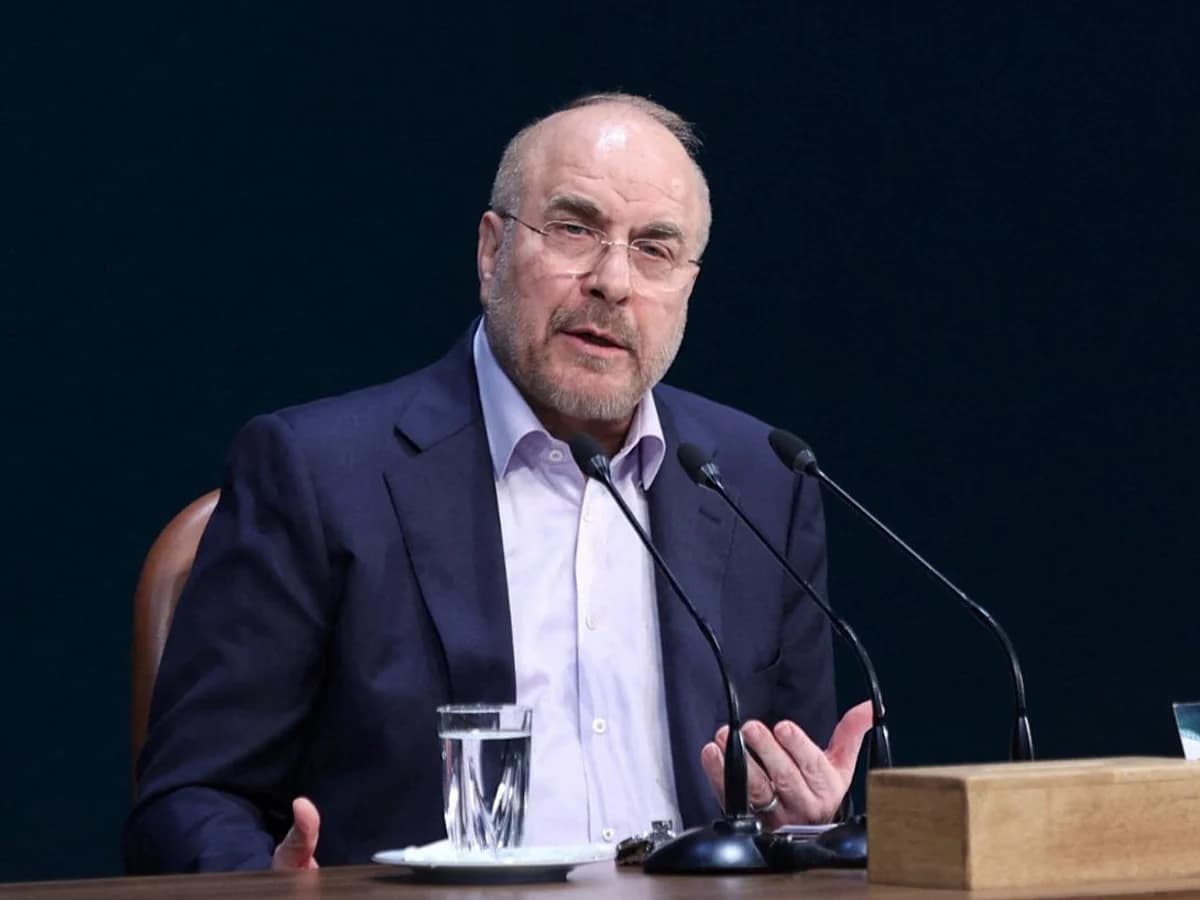
Iran's chief negotiator, Mohammad Bagher Qalibaf, has stated that while diplomacy with the United States is the priority, the nation is fully prepared for war should negotiations collapse. These comments come as Iranian and US delegations are engaged in separate discussions in Doha, Qatar.
Qalibaf emphasized that Iran is pursuing dialogue but will respond militarily if commitments are not honored. He indicated that Iran would not move to the next phase of any agreement until key provisions of a memorandum of understanding (MoU) are fully implemented. These critical clauses reportedly include a cessation of hostilities in Lebanon, the removal of what Iran describes as a US naval blockade in the Strait of Hormuz, guaranteed safe passage for commercial vessels, waivers for Iranian oil exports, and the release of frozen Iranian assets.
He also reiterated Iran's stance on its nuclear program, asserting that its nuclear rights, including uranium enrichment, are non-negotiable and remain within the framework of the International Atomic Energy Agency and the Treaty on the Non-Proliferation of Nuclear Weapons. Qalibaf questioned the credibility of international guarantees based on past experiences.
Separately, Oman has reportedly circulated a proposal to the US and other governments outlining a framework for managing the Strait of Hormuz, aiming to improve navigational safety, environmental protection, and maritime security. Meanwhile, Iran reported exporting over 40 million barrels of oil since the lifting of a US blockade.