Key facts
- A woman in her 70s died of suspected heatstroke after sleeping in her car following the Kumamoto earthquake.
- Her death may be the first disaster-related fatality from the magnitude 7.1 quake.
- The total death toll has reached 38, including two other cases under investigation.
- Nine people died at a Nippon Paper Industries plant and seven at an Aeon shopping mall.
- Over 8,000 people remain displaced in evacuation shelters.
- Prime Minister Sanae Takaichi is scheduled to visit the affected region.
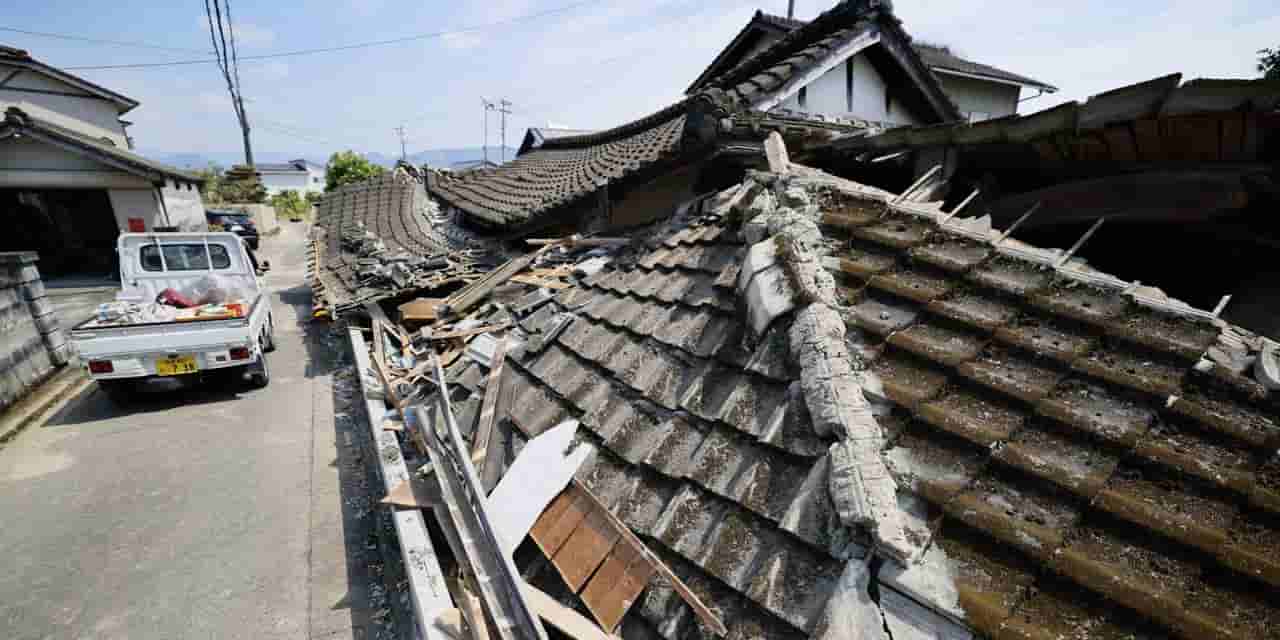
A woman in her 70s has died of suspected heatstroke in Kumamoto Prefecture, Japan, after sleeping in her car following a powerful earthquake on July 28. Local officials stated this could be the first disaster-related fatality from the magnitude 7.1 quake. Her vehicle had reportedly run out of gasoline when she was found on Thursday.
The prefectural government reported the death toll has now reached 38, including the woman and two other cases still under investigation for a direct link to the earthquake. Thirteen people are in serious condition. The toll includes nine deaths at Nippon Paper Industries Co.'s plant in Yatsushiro and seven at an Aeon shopping mall in Kashima, which experienced an explosion after the temblor. Additionally, Aeon Co. confirmed that a male customer found unconscious at its mall in Uki on Friday after its ceiling collapsed had died at a hospital.
More than 8,000 individuals remain in evacuation shelters or temporary accommodations. Prime Minister Sanae Takaichi is scheduled to visit Kumamoto Prefecture on Monday to assess the needs of those affected and inform government support measures. The earthquake registered the maximum seismic intensity level of 7 in Uki and Hikawa, indicating conditions where people cannot remain standing and may be thrown through the air. The municipal government of Uki also reported that a woman in her 70s, evacuated to a shelter, was diagnosed with COVID-19 and will be hospitalized before moving to a special care shelter.