Key facts
- Israel Discount Bank will end its banking ties with Palestinian lenders on September 1.
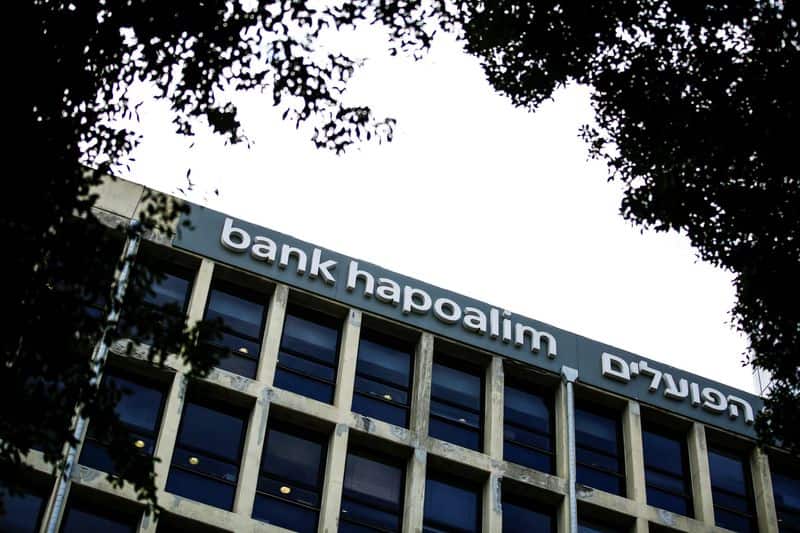
- Bank Hapoalim will cease operations with Palestinian banks on October 1.
- The Israeli banks cite risks of terrorism financing and money laundering.
- Palestinian authorities state their anti-money laundering framework meets international standards.
- The move could disrupt 90% of Palestinian trade passing through Israel.
- The Israeli finance ministry is seeking a safe and responsible continuation of banking activities.
Two major Israeli banks, Israel Discount Bank and Bank Hapoalim, are set to sever ties with their Palestinian counterparts in September and October, respectively. Citing risks associated with possible terrorism financing and money laundering, the banks' decision has amplified concerns over a deepening Palestinian economic crisis and regional instability.
Israeli officials confirmed that Discount Bank will stop its operations with Palestinian lenders on September 1, followed by Bank Hapoalim on October 1. These banks currently work with several Palestinian financial institutions. The move occurs amidst the ongoing Gaza war and heightened tensions between the Israeli government and the Palestinian Authority (PA).
Israeli Finance Minister Bezalel Smotrich, who manages the waiver mechanism that permits cooperation between Israeli and West Bank banks, has previously withheld Palestinian tax revenues and questioned the PA's legitimacy, further straining the financial relationship. The Israeli finance ministry acknowledged that discontinuing the correspondent banking relationship could negatively impact regional economic stability and increase money laundering risks by shifting activity to unregulated channels.
However, Yahya Shunnar, governor of the Palestinian Monetary Authority (PMA), warned of significant consequences for Palestinians, Israelis, and regional stability if these banking channels are disrupted. He asserted that the PA has developed its anti-money laundering framework to meet international standards, with assessments from the United States and the UK indicating compliance or exceeding international norms regarding financial integrity risks.
Shunnar highlighted that the two Israeli banks process approximately 51 billion shekels ($16.6 billion) annually in transactions for the PA. Furthermore, he noted that 90% of Palestinian trade, including essential goods like food, fuel, and medicines, passes through Israel, putting this vital supply chain at risk of collapse. Billions of shekels in cash also remain frozen in Palestinian banks.
Israeli officials indicated that the issue is linked to the finance minister's waivers, which allow Israeli banks to process shekel payments for the PA without facing money laundering or terrorism financing charges. Without these waivers, Palestinian banks would be cut off from the Israeli financial system. Banks reportedly desire a more permanent solution than the current waiver system, which is renewed periodically and extends until the end of the year.
Discount Bank stated it has provided services on a temporary basis for years, awaiting a permanent solution, and expressed concerns about increasing risks. Bank Hapoalim indicated the matter is under review. The Israeli finance ministry is reportedly working with the banks to ensure the continuation of correspondent banking activities in a safe and responsible manner.