Key facts
- Ayatollah Ali Khamenei, Iran's supreme leader for over three decades, died and was buried after a week-long funeral.
- Mojtaba Khamenei succeeded his father as the new leader of Iran.
- Funeral ceremonies included controversial Quranic recitations interpreted as political messages.
- Khamenei's sons appeared publicly to counter rumors about Mojtaba Khamenei's health.
- Ali Asghar Hejazi, a senior figure in Khamenei's office, made a public appearance.
- Iranian officials involved in US negotiations faced hostility from principlist supporters during funeral events.
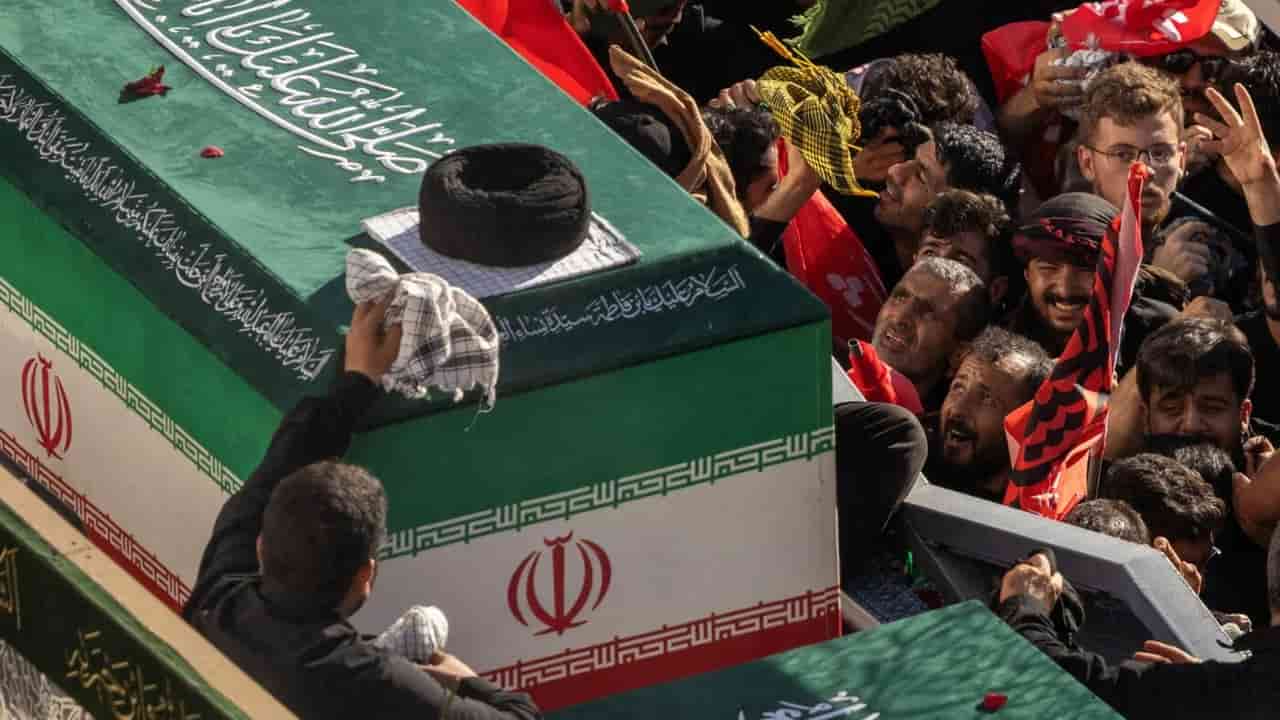
Ayatollah Ali Khamenei, Iran's supreme leader for over three decades, was laid to rest on July 9, following a week of funeral ceremonies that underscored internal political dynamics and succession plans. Khamenei, who was 86, was reportedly assassinated in a US-Israeli strike in February and has been succeeded by his 56-year-old son, Mojtaba Khamenei.
The extensive funeral processions, spanning multiple cities in Iran and Iraq, drew millions of mourners. Beyond the official displays, the events served as a platform for political messaging. Notably, Quranic verses recited during the ceremonies sparked controversy. When Saudi and Qatari delegations were present, a verse referencing a historical battle where Muslims prevailed against superior numbers was recited, which some observers interpreted as a political message.
Further political undertones emerged with the attendance of Hassan Khomeini, grandson of the Islamic Republic's founder. He reportedly left a ceremony early due to a recitation directed at him, fueling speculation about his own succession prospects. The public appearances of Khamenei's other sons—Mostafa, Masoud, and Meysam—were seen as an effort to project unity and reassure the public and international community about Mojtaba Khamenei's health and capability, countering rumors of injuries sustained in the strike that killed his father.
Mostafa Khamenei, the eldest son, maintained a high public profile throughout the ceremonies, leading funeral prayers and meeting with prominent Iraqi clerics, which has led to speculation about his future political role. Grand Ayatollah Abdollah Javadi Amoli delivered an eulogy using unusually elevated language, suggesting Khamenei had attained a high spiritual status. The presence of Ali Asghar Hejazi, a key figure in Khamenei's office, also drew attention, dispelling rumors of his demise and projecting an image of internal unity, despite earlier speculation about his relationship with Mojtaba Khamenei.
However, the funeral events were not without internal dissent. Principlist supporters directed hostility towards officials involved in negotiations with the US, including Parliament Speaker Mohammad Bagher Ghalibaf, Foreign Minister Abbas Araghchi, and President Masoud Pezeshkian, with some chanting condemnatory slogans and confronting Araghchi.