All NewsEducationTV
Equities & FundsCrypto & Digital AssetsAI & TechnologyBusiness & CorporateUS Politics & PolicyGeopolitics & Global RiskMacro, Rates & FXCommodities & EnergyEuropean Politics & MarketsAsia-PacificReal Estate & Property
Story archiveAll categories
← All Stories

Iran Warns of Hormuz Blockade if US Naval Blockade Continues

Created at 1 Aug · 1:06 AM2 sources↑ Market-relevant2 events
IN SHORT

A top Iranian official warned that Tehran would further seal the Strait of Hormuz and block other strategic passages if the U.S. continues its naval blockade on Iranian ports. This escalation could significantly impact the global economy and energy markets.

✉Newsletter

PiQ Daily

Pick your topics. Get only what matters, on your cadence.

Key Numbers

1senior official warned of blocking Hormuz

Who's Involved

Abbas Araghchi
Iran's Foreign Minister
Mohammad Baqer Zolqadr
Secretary of Iran's Supreme National Security Council
S Jaishankar
India's External Affairs Minister
Hakan Fidan
Turkish Foreign Minister
Iran Warns of Hormuz Blockade if US Naval Blockade Continues

↳ Why This Matters

The Strait of Hormuz is a critical chokepoint for global oil supply, and any disruption could lead to significant price spikes and economic instability worldwide. Iran's threat highlights the escalating tensions in the region and the potential for wider conflict.

Key facts

  • Iran's foreign minister blamed U.S. and Israeli actions for regional insecurity.
  • A senior Iranian official warned of blocking the Strait of Hormuz if U.S. naval blockades persist.
  • The official stated that such an escalation could have severe economic consequences globally.
  • Iran aims to establish mechanisms with Oman to manage traffic in the Strait of Hormuz.
  • Iran described its military actions as defensive and within international law.

A senior official from Iran's Supreme National Security Council has issued a stark warning, stating that Iran will further seal the Strait of Hormuz and block other strategic passages if the United States continues its naval blockade on Tehran's ports. Mohammad Baqer Zolqadr, secretary of the SNSC and a veteran Islamic Revolutionary Guard Corps commander, indicated that such an escalation could impose significant costs on the global economy, energy markets, and U.S. taxpayers.

This warning follows previous statements by Iran's Foreign Minister Abbas Araghchi, who identified U.S. and Israeli actions as the primary drivers of insecurity in the region. Araghchi cited alleged violations of the Islamabad MoU, ongoing military operations, and naval blockades against Iranian commercial shipping as key contributors to regional instability. He emphasized that Iran's military and diplomatic responses are defensive measures, conducted within the framework of international law to safeguard national security and interests, and that responsibility for any escalation lies with "aggressor forces."

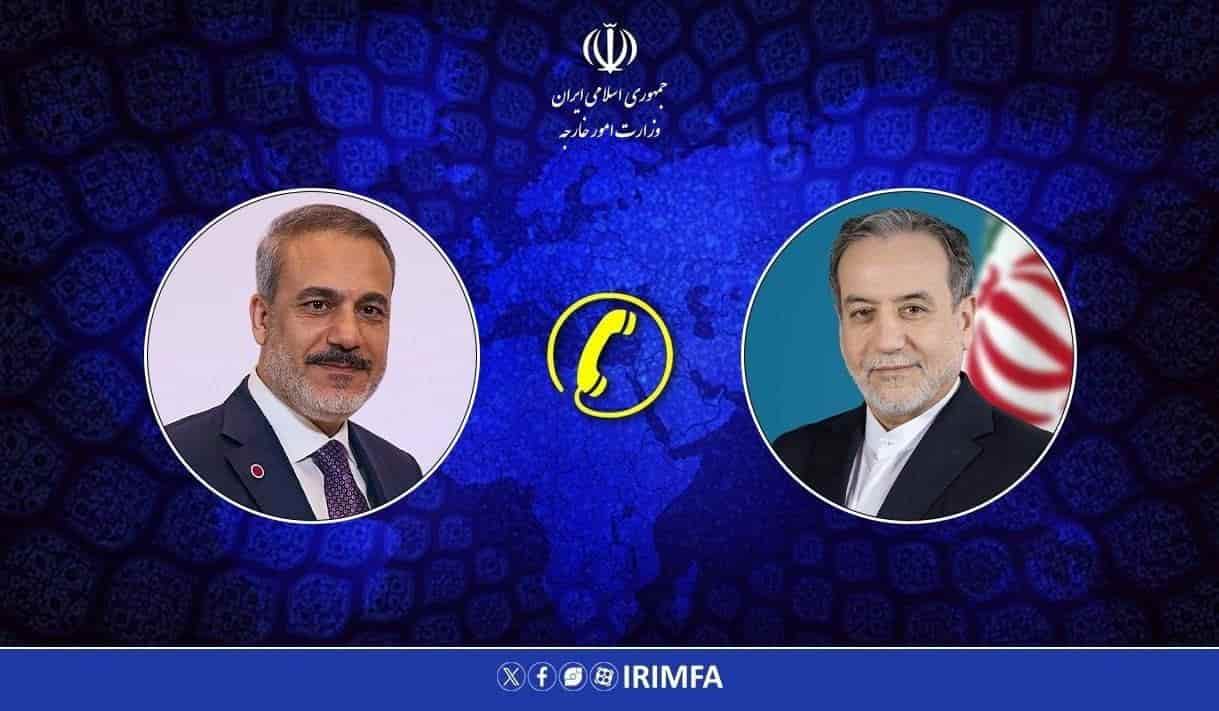
Araghchi also stressed Iran's commitment to establishing mechanisms with Oman to manage traffic in the Strait of Hormuz and cautioned third parties against obstructing this process. During separate calls with his Indian and Turkish counterparts, S Jaishankar and Hakan Fidan respectively, Araghchi urged regional neighbors and the international community to avoid actions that could widen the conflict and to hold "aggressor parties" accountable. Both Indian and Turkish officials expressed support for dialogue and diplomatic solutions to de-escalate tensions.
Frequently asked questions

Iran's Foreign Minister Abbas Araghchi cited U.S. violations of the Islamabad MoU, continued military action against Iran, and U.S.-enforced naval blockades and attacks on Iranian commercial shipping.

India's External Affairs Minister S Jaishankar reiterated support for dialogue and diplomacy, while Turkish Foreign Minister Hakan Fidan expressed understanding of Iran's concerns and affirmed Turkey's readiness to help end the conflict.

Araghchi described Iran's strikes as 'defensive actions' exclusively targeted at the military bases and facilities of the aggressors, and stated they are conducted within the framework of international law to safeguard national security and interests.

A senior Iranian official warned that such an escalation could cost the global economy, energy markets, and U.S. taxpayers dearly.

What Happens Next

01Iran and Turkey will continue consultations.
02Araghchi urged other countries to refrain from actions that could lead to escalation.

Get the newsletter.

Pick the topics you actually care about. We'll email when there's news worth your time, on the cadence you choose. Cancel any time from your account.

Cadence

How It Developed

Iran's foreign minister stated that U.S. actions are the primary cause of regional insecurity.
A top Iranian official warned of further sealing the Strait of Hormuz if the U.S. continues its naval blockade.
The official stated that such escalation could cost the global economy, energy markets, and U.S. taxpayers dearly.
Iran's foreign minister stressed Iran's determination to manage traffic in the Strait of Hormuz with Oman.
Iran's foreign minister urged other nations to oppose actions that escalate regional tensions.

Sources

T1
Araghchi says US actions ‘main causes’ of regional insecurityMiddle East Eye
T1
Iran will further tighten Hormuz if US naval blockade continues, top official saysMiddle East Eye
T2
US and Israeli Aggression Primary Causes of Regional Instability ...hrnww.com
T2
Araghchi to Fidan: U.S. & Israeli actions behind regional insecuritysaba.ye
T2
'Avoid action that could widen the war': Araghchi says Iran targeted US ...wionews.com

Related Stories

Indian families demand $5m compensation from US, Iran for seafarer deaths
31 Jul · 4:56 AM
US refutes Iran's Strait of Hormuz closure claims amid traffic drop
31 Jul · 5:50 PM
Iran threatens to strike Israeli, US infrastructure amid renewed conflict
31 Jul · 10:46 PM
Pakistan, Bangladesh face economic squeeze as US-Iran crisis widens
31 Jul · 12:05 PM
Iran claims drone strikes on US facilities in Kuwait and Jordan
31 Jul · 4:06 AM