Key facts
- Iran and the U.S. have reportedly agreed to halt recent hostilities and renew talks on the Strait of Hormuz dispute.
- The agreement follows several days of strikes and counterstrikes, with both nations accusing each other of violating a ceasefire.
- Iran launched missile and drone operations targeting U.S. military sites in Kuwait and Bahrain.
- President Donald Trump issued a threat to Iran regarding adherence to the peace agreement.
- Technical talks between Iran and the U.S. were canceled by Iran.
- Axios reported that a meeting between the two sides is planned for Tuesday in Qatar.
Iran and the United States have reportedly agreed to halt recent hostilities in the Gulf and renew talks concerning the Strait of Hormuz, according to Axios. This development could potentially de-escalate tensions following a series of retaliatory strikes that threatened to undermine a prior interim peace agreement.
The two nations are expected to meet on Tuesday in Qatar, citing a senior U.S. official. The report follows several days of escalating conflict, beginning with an Iranian projectile hitting a cargo vessel in the Strait of Hormuz on Thursday. Both the U.S. and Iran have accused each other of violating a ceasefire that was initially established on June 17.
Early Sunday, Iran launched missiles and drones targeting U.S. military sites in Kuwait and Bahrain. This occurred shortly after President Donald Trump issued a strong warning, threatening to eliminate the Iranian leadership if they did not adhere to the agreement to end hostilities. Meanwhile, Israel reported striking Iran-backed Hezbollah militants in Lebanon, continuing a pattern of conflict.
The U.S. military confirmed striking Iran again hours after the tanker incident in the critical energy shipping route. President Trump stated on social media that if the situation escalated, the "Islamic Republic of Iran will no longer exist." The 14-point interim peace accord was intended to cease the conflict, which began on February 28, and facilitate negotiations on issues such as Iran's nuclear program.
Adding to the fragility of the situation, Iran canceled scheduled technical talks with the U.S. on Sunday, citing recent attacks and unfulfilled conditions of the Memorandum of Understanding, including access to unfrozen funds. A previous round of mediated talks in Switzerland, involving Vice President JD Vance and Iran's parliamentary speaker Mohammad Baqer Qalibaf, had led to Washington waiving sanctions on Tehran, but fighting has since resumed.
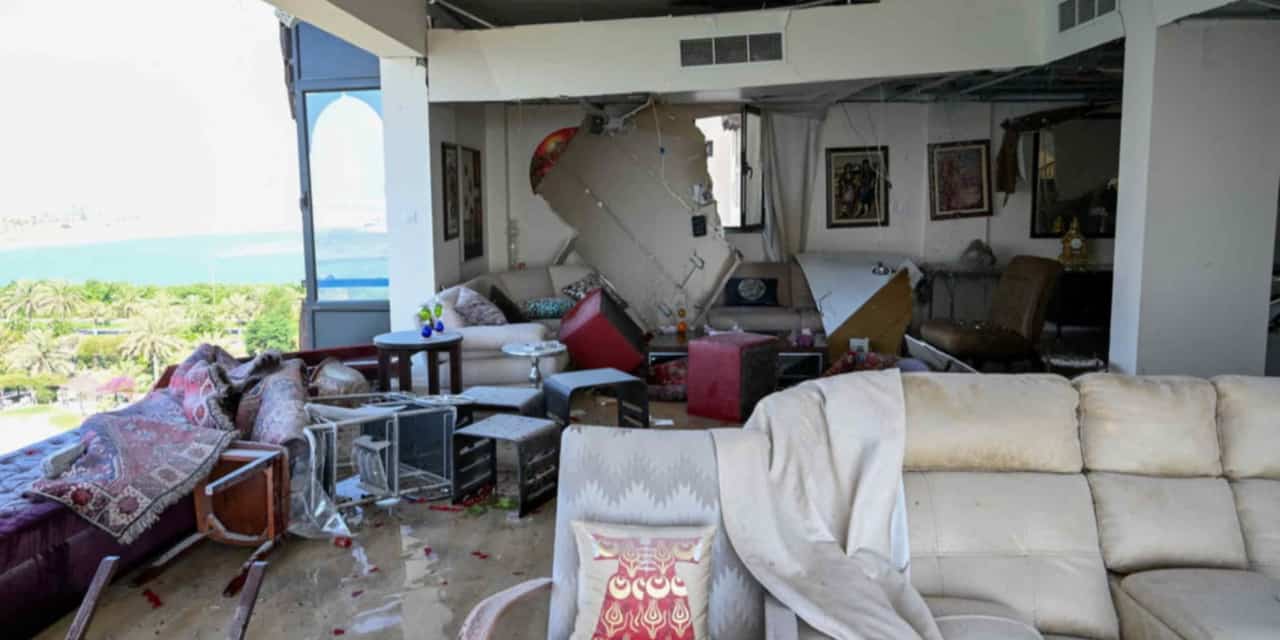
Following President Trump's statement, Kuwait's army confirmed responding to missile and drone attacks, while Bahrain reported sirens sounding. The Islamic Revolutionary Guard Corps claimed responsibility for the operations, stating that U.S. strikes had violated the ceasefire and would halt diplomatic processes. A U.S. official confirmed the targeting of facilities but reported no U.S. casualties or significant damage. Later, Bahrain reported an Iranian attack damaged a residential building, prompting calls for a UN Security Council session. Kuwait's army intercepted two ballistic missiles. Separately, Qatar reported a national died from injuries sustained from shrapnel aboard a vessel involved in "military operations in the area."