Key facts
- ICC judges ordered prosecutors to open a standalone investigation into Taliban gender persecution.
- This new probe will be split from the existing Afghanistan war crimes investigation.
- The original probe covered alleged crimes by Afghan forces, US military, CIA, Taliban, and IS-K.
- The judges cited that post-2021 Taliban conduct is 'materially different' from the original conflict-nexus investigation.
- The US has previously imposed sanctions on ICC officials and threatened to dismantle the court.
- Arrest warrants have already been issued for Taliban leaders for gender persecution.
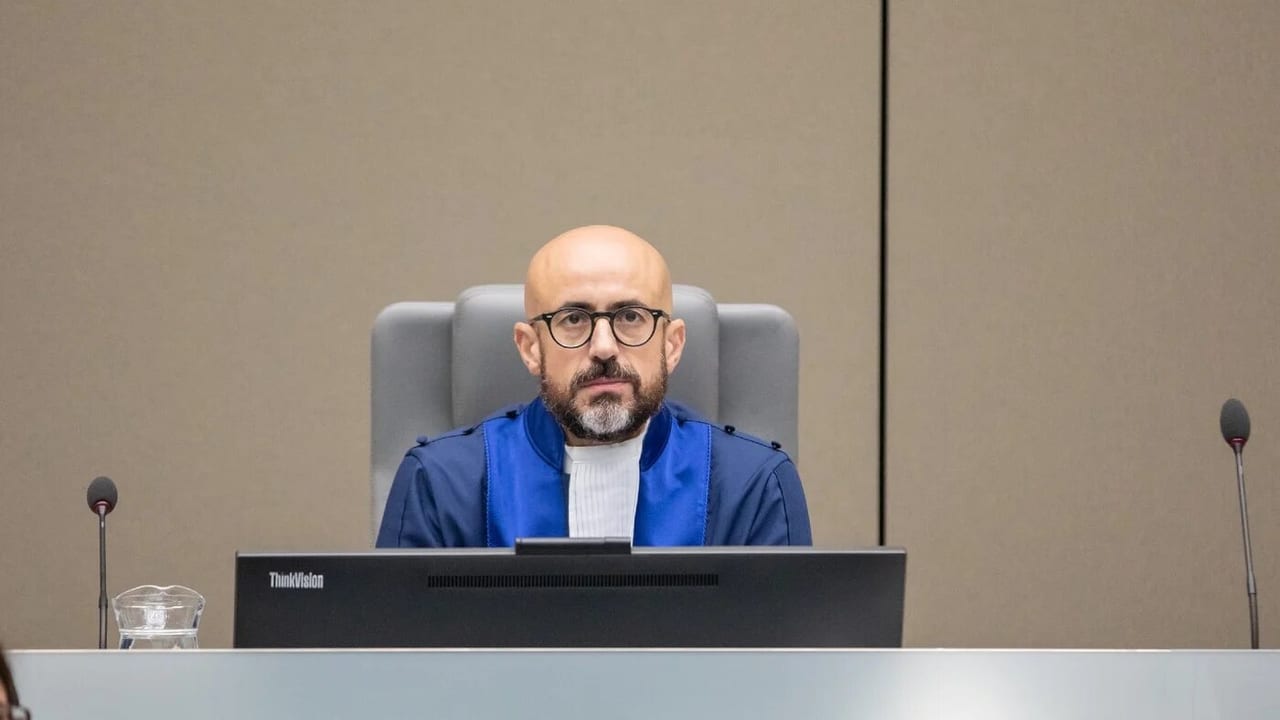
Judges at the International Criminal Court (ICC) have ordered prosecutors to open a standalone investigation into allegations of gender persecution by the Taliban, separating it from the court's long-running Afghanistan war crimes probe. This move, revealed by Middle East Eye, could signal a shift away from pursuing allegations against US forces and their allies.
A three-judge panel in pre-trial chamber II requested the split in mid-July, according to court documents. The original Afghanistan inquiry, authorized in 2020, covers alleged war crimes committed since 2003 by Afghan National Security Forces, the US military and CIA personnel, the Taliban, and the Islamic State-Khorasan Province (IS-K) group.
The decision comes amid heightened tensions between the US and the ICC. US Secretary of State Marco Rubio has threatened to "dismantle the ICC, brick by brick," and the US has imposed financial and visa sanctions on court officials in connection with the Afghanistan and Palestine investigations. These sanctions were imposed despite the ICC prosecutor's 2021 decision to deprioritize the strand concerning US military and CIA personnel.
The ICC had previously issued arrest warrants for Taliban Supreme Leader Hibatullah Akhundzada and Chief Justice Abdul Hakim Haqqani for the crime against humanity of gender persecution. The applications were prepared by Deputy Prosecutor Nazhat Shameem Khan and Special Adviser on Gender Crimes Professor Lisa Davis.
Diplomats had previously indicated that the Trump administration had pressured the court to drop investigations into Afghanistan and Palestine as a condition for lifting sanctions, and demanded amendments to the ICC’s founding treaty. However, the Assembly of States Parties resisted these demands.
The pre-trial chamber found that the post-August 2021 conduct by the Taliban, related to the imposition of discriminatory decrees and policies, is "materially different" from the armed conflict-related violence that defined the original investigation. The judges directed prosecutors to open a separate investigation if the legal threshold is met, citing the distinct factual and institutional context of the alleged crimes.
Furthermore, the judges noted that the original Afghanistan investigation has been dormant for years and drew the Prosecution’s attention to a procedure allowing for the closure of the situation record if no further investigatory or prosecutorial activities are anticipated.