Key facts
- A wave of new right-wing governments in Latin America is strengthening diplomatic, security, and technological ties with Israel.
- Public opinion in the region largely opposes Israel's actions in Gaza, with many viewing it as genocide.
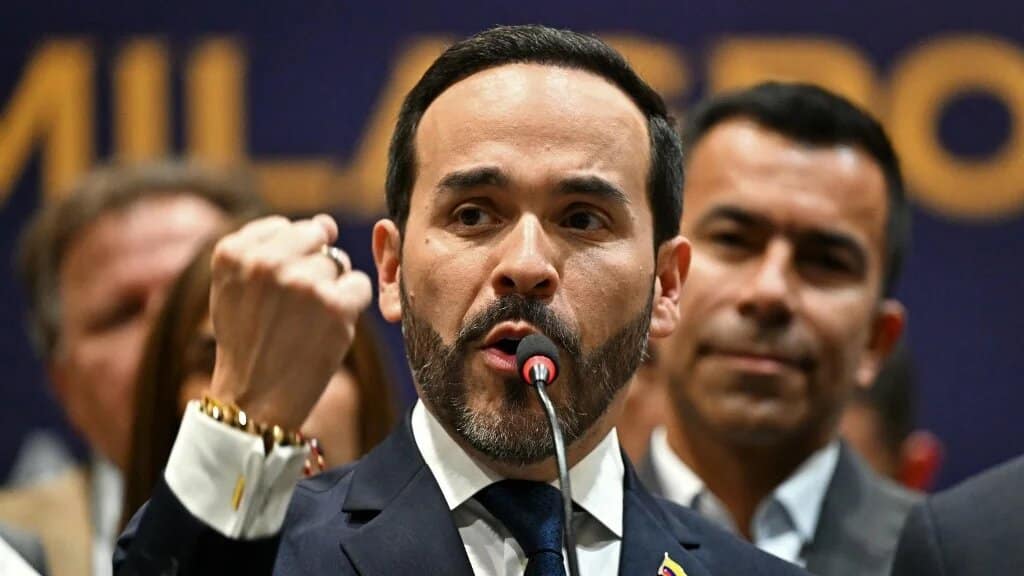
- Colombia's president-elect, Abelardo de la Espriella, plans to move the country's embassy to Jerusalem and suspend ties with Palestine.
- Israeli spyware and weapons are reportedly used by governments and police forces across Latin America.
- Upcoming elections in Brazil and Mexico present a crucial test for the region's stance on Israel.
A significant political realignment is occurring across Latin America, with a new wave of right-wing governments forging closer ties with Israel, even as public opinion in the region largely condemns Israel's actions in Gaza. This shift is altering diplomatic, security, and technological relationships, despite widespread public disapproval of Israel's conduct.
Colombia exemplifies this trend, with newly elected President Abelardo de la Espriella signaling a pivot away from pro-Palestinian stances. He plans to suspend plans for an embassy to Palestine and move Colombia's mission to Jerusalem, effectively sidelining Bogota's role in supporting South Africa's genocide case against Israel at the International Court of Justice. This comes after outgoing President Gustavo Petro accused the Israeli cyber-intelligence firm BlackCore of deploying bot accounts to spread disinformation during the election.
Bolivia has also restored full diplomatic relations with Israel under its new center-right president, Rodrigo Paz, a move personally sealed by Israeli Prime Minister Benjamin Netanyahu. Venezuela, despite its nominally socialist government, is increasingly aligning with US interests and maintaining open channels with Israel, while considering leaving the International Criminal Court.
The article highlights the pervasive role of Israeli security technology, such as Pegasus spyware, used to target journalists and opposition figures across the region. Brazilian police reportedly use Israeli weapons, and Israeli intelligence has collaborated with local authorities. Israeli tourists have also become a point of contention, facing blame for wildfires and detention for alleged violence against pro-Palestine protesters.
The upcoming Brazilian election is seen as a critical juncture, with Flavio Bolsonaro, son of the former president, launching his campaign with an endorsement from Netanyahu and support from Argentinian leader Javier Milei, who has declared himself a 'fanatic of Israel.' Incumbent President Luiz Inacio Lula da Silva, by contrast, remains one of the few regional leaders to label Israel's Gaza campaign a genocide.
Even leaders of Palestinian descent, like El Salvador's Nayib Bukele and Honduras's Nasry Asfura, have built their security states with Israeli weapons and surveillance equipment. Leaked recordings suggest alleged plots involving these leaders and Netanyahu to target leftist governments in the region. This growing Israeli influence, driven by surveillance firms, arms deals, and disinformation campaigns, is occurring against a backdrop of increasing public wariness and a widening elite-citizen divide.