Key facts
- IAEA report indicates increased risk of Iran developing a nuclear weapon.
- Increased risk follows US-Israeli strikes in February.
- The strikes aimed to prevent Iran from developing nuclear weapons.
The IAEA reported an increased risk of Iran developing a nuclear weapon following US-Israeli strikes in February. The report notes Iran's large stockpile of enriched uranium and calls for explanations regarding unaccounted material.
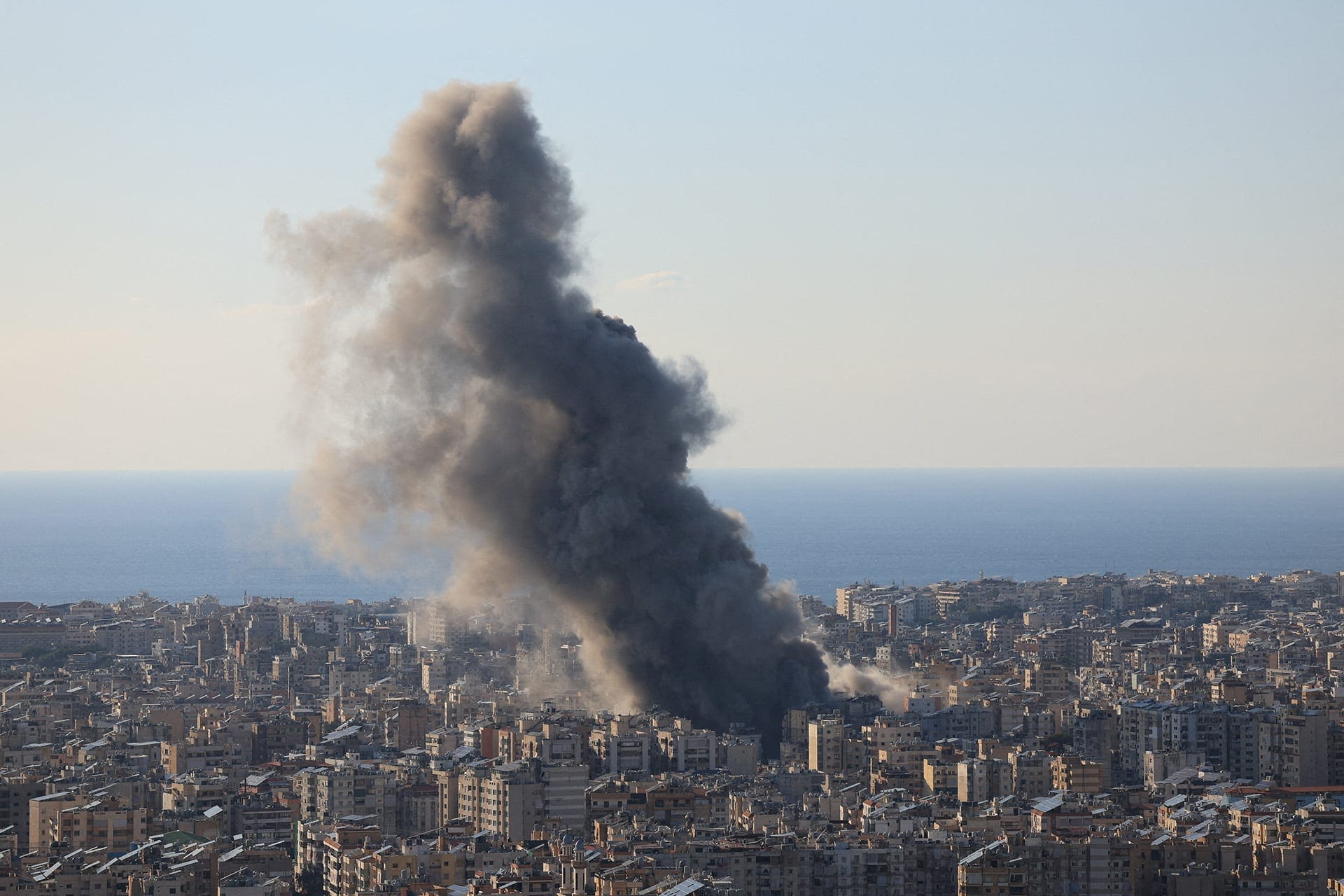
The International Atomic Energy Agency (IAEA) has concluded in a report that the risk of Iran developing a nuclear weapon is now higher than it was before the United States and Israel first attacked the country in February. This conclusion suggests the war has so far resulted in the opposite of what President Trump set out to do, namely, prevent Iran from developing a nuclear weapon. Bloomberg cited the report, which has restricted access, stating that the IAEA had warned its member states that Iran already has a large stockpile of enriched uranium. The report reiterates the IAEA's calls for Tehran to explain the fate of enriched uranium stockpiles, which have been unaccounted for since a U.S.-Israeli bombing campaign a year ago targeted Iran's main nuclear sites. The IAEA has lost continuity of knowledge regarding previously declared nuclear material at affected facilities, a matter of proliferation concern. Iran has yet to inform the IAEA of the fate of its low- and highly enriched uranium stocks, including material enriched to up to 60% purity, which is close to weapons-grade. The agency has been unable to return to nuclear sites bombed last June. The IAEA's Board of Governors is scheduled to hold its quarterly meeting next week.
The report raises concerns about nuclear proliferation and the effectiveness of military actions in preventing Iran from acquiring nuclear weapons, potentially escalating regional tensions.