Key facts
- Hezbollah was in complete disarray in late September 2024 following an Israeli assault.
- Senior leaders, including Hassan Nasrallah, were killed.
- Communication systems were compromised, leading to reliance on in-person meetings.
- The group has since managed to revive its military wing and strategic position.
- Hezbollah's survival is attributed to its ability to adapt and rally after severe losses.
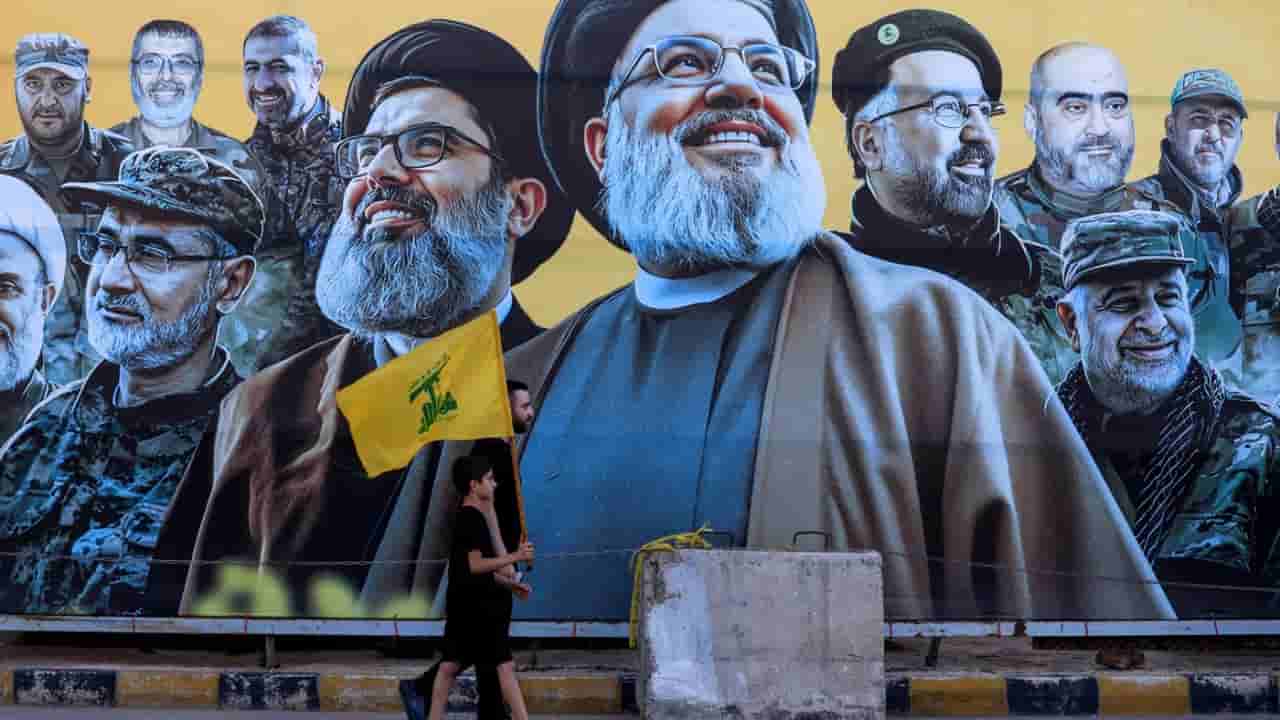
Hezbollah experienced a period of profound disarray in late September 2024, following a significant Israeli assault that obliterated its headquarters and resulted in the deaths of several senior leaders, including Hassan Nasrallah. Commanders suspected their communications were compromised, leading them to abandon phones and rely on in-person meetings for coordination. This crisis prompted the group to implement a last-resort plan to rally its forces and confront an impending Israeli invasion of south Lebanon. This period of near-annihilation marked the beginning of a surprising fightback, allowing Hezbollah to resuscitate its military wing and adapt its strategy, demonstrating resilience despite severe pressure from adversaries. Sources indicate that the decision to attack Israel in October 2023 was Nasrallah's, facing internal opposition within the party's Shura Council.