All NewsEducationTV
Equities & FundsCrypto & Digital AssetsAI & TechnologyBusiness & CorporateUS Politics & PolicyGeopolitics & Global RiskMacro, Rates & FXCommodities & EnergyEuropean Politics & MarketsAsia-PacificReal Estate & Property
Story archiveAll categories
← All Stories

Hegseth: US can maintain naval blockade on Iranian ports indefinitely

Created at 13 Aug · 4:06 PM2 sources↑ Market-relevant
IN SHORT

Defense Secretary Pete Hegseth stated the U.S. military has sufficient assets to maintain a naval blockade on Iran indefinitely, with ships able to be rotated as needed. This comes after the U.S. reinstated a blockade on July 14, 2026.

✉Newsletter

PiQ Daily

Pick your topics. Get only what matters, on your cadence.

Key Numbers

July 14, 2026date US reinstated naval blockade on Iran
April 13, 2026date of initial US naval blockade on Iran
June 18, 2026date initial US naval blockade on Iran ended
55commercial vessels redirected by US military

Who's Involved

Pete Hegseth
US Defense Secretary stating US can maintain blockade indefinitely
Donald Trump
US President asserting control over Strait of Hormuz
Hegseth: US can maintain naval blockade on Iranian ports indefinitely

↳ Why This Matters

The continued naval blockade on Iranian ports aims to exert economic pressure on Iran as part of ongoing efforts to resolve the conflict, potentially impacting global energy markets and shipping routes.

Key facts

  • US Defense Secretary Pete Hegseth stated the U.S. military can maintain a naval blockade on Iranian ports indefinitely.
  • The U.S. military has enough assets to maintain the blockade and can rotate ships as needed.
  • The U.S. reinstated a naval blockade on Iran on July 14, 2026.
  • An earlier blockade from April 13 to June 18, 2026, was lifted following an agreement to end the war.
  • President Donald Trump asserted U.S. control over the Strait of Hormuz.
  • The U.S. military has redirected over 55 commercial vessels attempting to bypass the blockade.
  • US Defense Secretary Pete Hegseth stated that the U.S. military has sufficient assets to maintain a naval blockade on Iranian ports indefinitely, with ships able to be rotated as needed. The comments suggest the U.S. can continue applying economic pressure on Iran to aid negotiations to end the conflict that began in February.

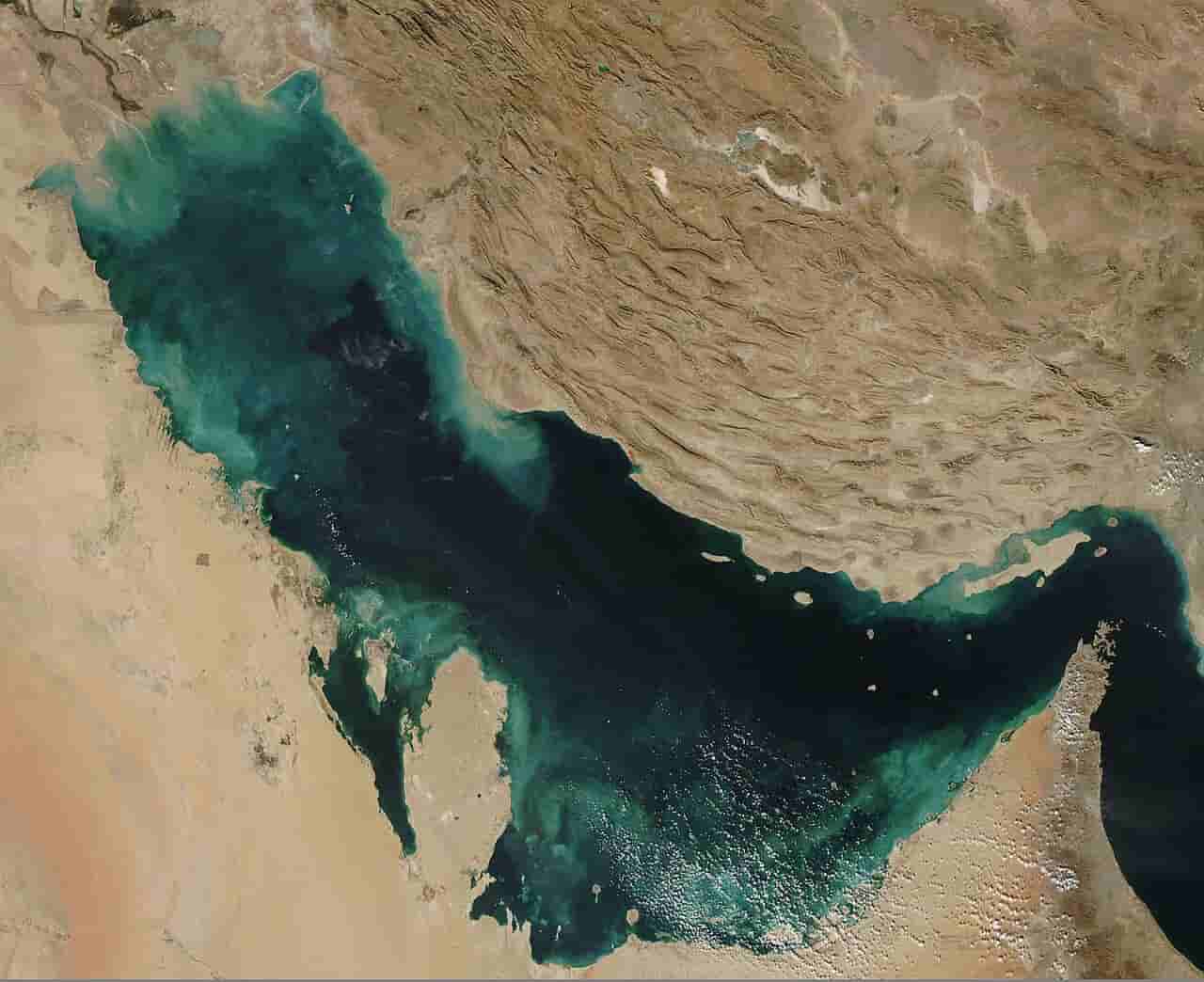
    President Donald Trump asserted on Wednesday that the United States has total control over the Strait of Hormuz, calling the naval blockade "A WALL OF STEEL." The U.S. imposed the blockade after Iran effectively shut down the strait following U.S.-Israeli strikes on Iran on February 28. The U.S. stated it would protect freedom of navigation for vessels traveling to and from non-Iranian ports.

    Since the blockade began, the U.S. military has redirected more than 55 commercial vessels attempting to run the blockade, disabling three ships and boarding two. Earlier in the week, a U.S. Navy helicopter fired missiles into a ship's engine room after it ignored warnings.
    Frequently asked questions

    The United States first imposed a naval blockade on Iran on April 13, 2026.

    The initial blockade was lifted on June 18, 2026, and reinstated on July 14, 2026.

    Before the 2026 war, the Strait of Hormuz was a critical waterway, with about 25% of the world's seaborne oil trade and 20% of global liquefied natural gas passing through it.

    The blockade was imposed following the failure of the Islamabad Talks to end the 2026 Iran war.

    What Happens Next

    01Monitor further actions by the US Navy regarding the blockade.
    02Observe Iran's response to the continued blockade.
    03Assess the impact of the blockade on global energy prices and supply chains.

    Get the newsletter.

    Pick the topics you actually care about. We'll email when there's news worth your time, on the cadence you choose. Cancel any time from your account.

    Cadence

    How It Developed

    US Secretary of War Pete Hegseth stated the US military can maintain a blockade on Iranian ports indefinitely.
    The US reinstated a naval blockade on Iran on July 14, 2026.
    An earlier naval blockade imposed on April 13, 2026, was lifted on June 18, 2026, following an agreement to end the war.
    The blockade applies to ships going to and from Iran.
    The US has intercepted vessels and seized at least one Iranian-flagged ship during the blockade.
    The U.S. military has enough assets to maintain a naval blockade of Iran indefinitely, Defense Secretary Pete Hegseth said on Thursday.
    Hegseth said ships could be rotated in and out of the region as needed.
    President Donald Trump stated the United States is in control of the Strait of Hormuz.

    Sources

    T1
    US can keep naval blockade on Iranian ports "indefinitely," Pentagon chief saysReuters
    T1
    Hegseth says US can keep naval blockade on Iranian ports ‘indefinitely’Middle East Eye
    T2
    2026 United States naval blockade of Iranen.wikipedia.org

    Related Stories

    Hegseth Welcomes Colombia to Counter-Narcotics Alliance
    12 Aug · 8:17 PM
    Iran Mocks Trump Over Secret Plane Switch Amid Assassination Plot Scepticism
    13 Aug · 11:11 AM
    Trump turns to economic pain as US bombings fail to sway Iran
    13 Aug · 6:36 AM
    Iran signals shift to offensive military doctrine against US forces
    13 Aug · 12:36 PM
    US Military Expands Base in Somalia's Puntland Amid Red Sea Tensions
    12 Aug · 5:06 PM