Key facts
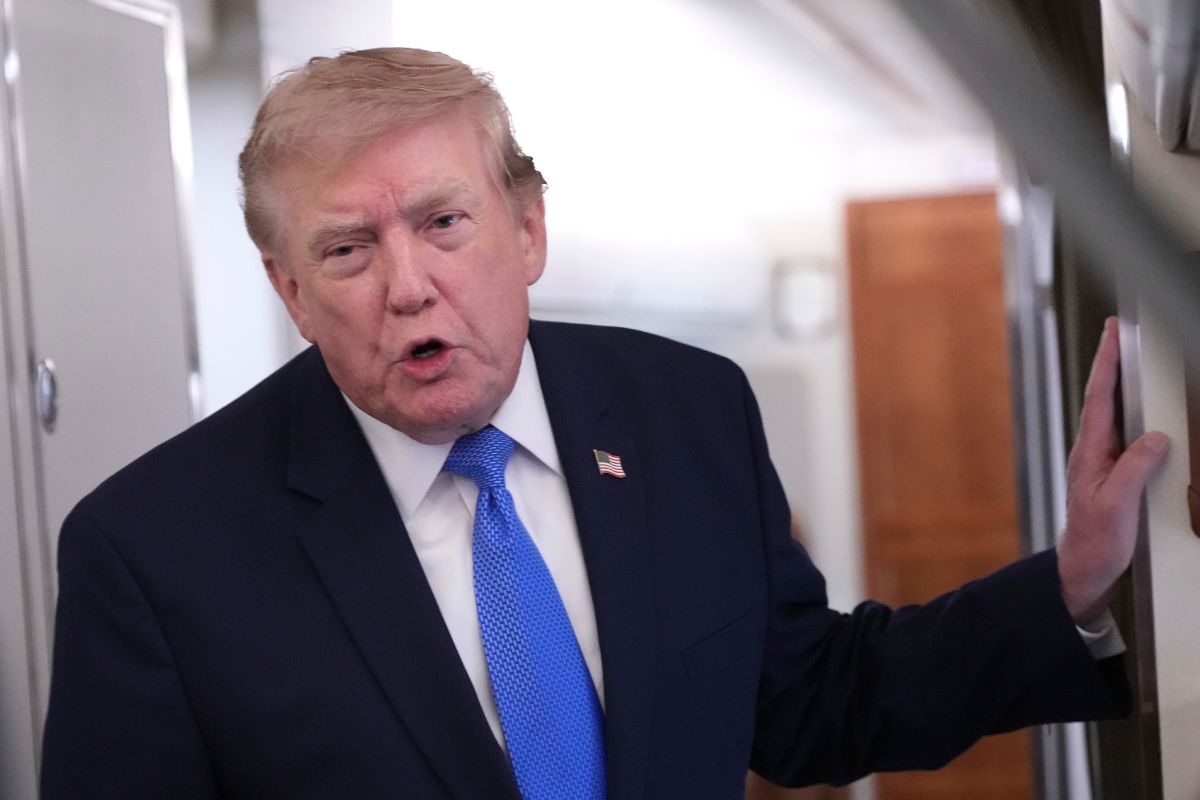
- President Donald Trump asserted US "total control" over the Strait of Hormuz.
- Iran's Strait Authority stated the waterway remains blocked until its conditions are met.
- UK GDP growth could be as low as 0.3% in 2027 if Strait of Hormuz disruptions persist.
- Oil prices are hovering around $88 per barrel.
- Global oil stockpiles are reportedly "rapidly depleting".
The FTSE 100 is expected to see an increase as market participants digest conflicting statements from the United States and Iran concerning the Strait of Hormuz. President Donald Trump declared that the U.S. has "total control" over the crucial waterway, while Iran's Persian Gulf Strait Authority asserted that the Strait of Hormuz remains blocked and will not be reopened until its conditions are met.
These geopolitical tensions come as Treasury officials have reportedly informed the UK Prime Minister that the nation's economy could experience minimal growth of 0.3% in 2027 if disruptions in the Strait of Hormuz linked to the Iran conflict persist until the end of 2026. Internal Treasury modeling suggests that without a permanent peace agreement between U.S.-Israeli forces and Iran, the UK economy might grow by 0.9% this year, falling short of the 1.1% forecast by the Office for Budget Responsibility (OBR) earlier in the year. The OBR had also projected 1.6% GDP growth for 2027.
Furthermore, a more severe scenario outlined by the Treasury indicates that Consumer Price Index (CPI) inflation could reach a peak of 4.3% in the first quarter of next year. This is attributed to the ongoing disruption in the Strait of Hormuz, which is expected to keep oil and gas prices elevated. On Wednesday, the global energy watchdog issued a warning that oil stockpiles are "rapidly depleting."