Key facts
- European drone companies gathered at the New Age Defense conference in Berlin to discuss defense needs and EU initiatives.
- Companies highlighted the EU's increased financial investment and procurement rules favoring European firms.
- Challenges include legal obstacles, fragmentation of initiatives like the 'drone wall,' and the need for open-source architecture.
- The EU has allocated significant funds for defense loans and Ukraine's defense needs.
- Concerns were raised about reliance on China for critical resources and supply chains.
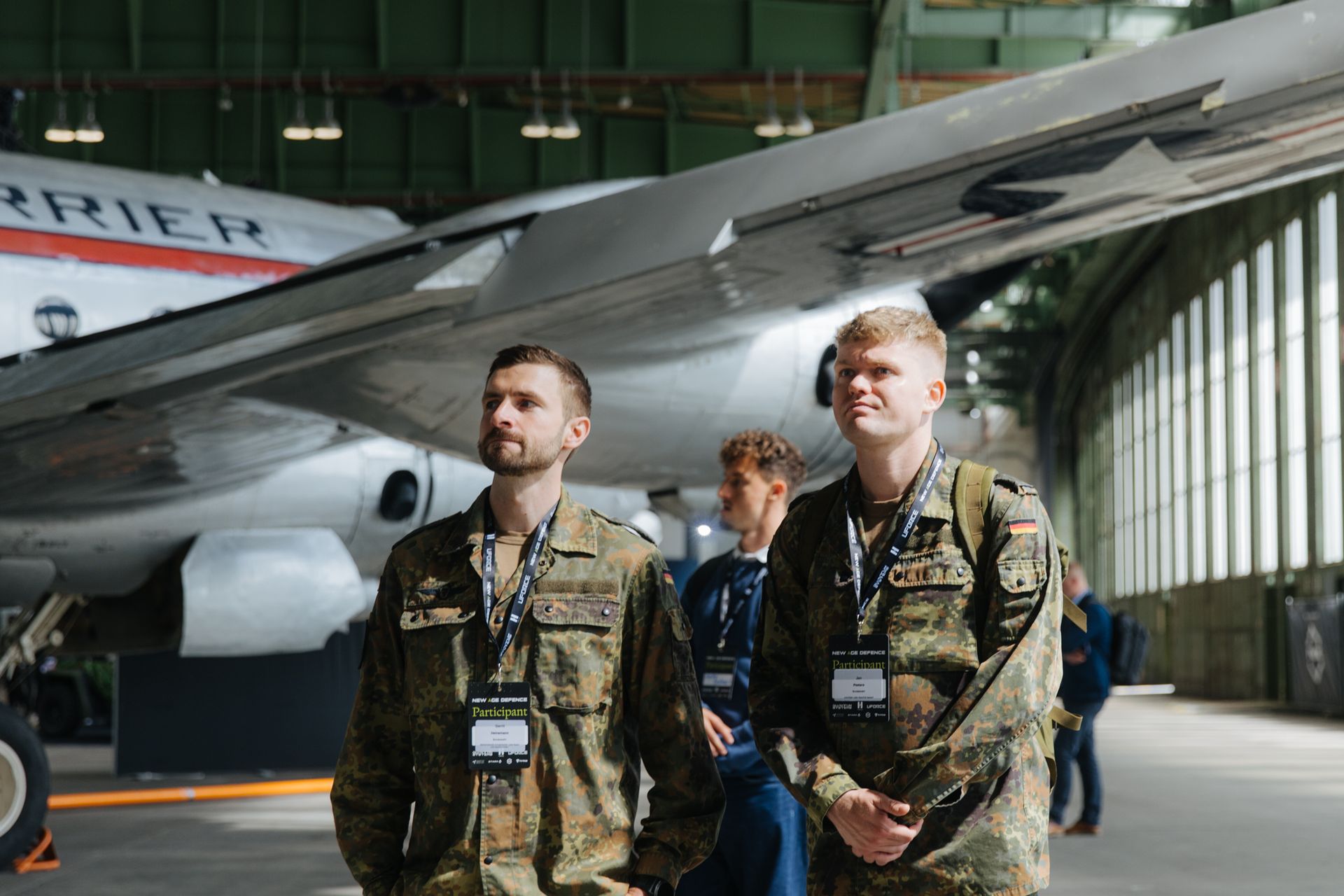
At the New Age Defense conference in Berlin, German and Ukrainian drone companies discussed their role in shaping future warfare and their needs from the EU and national governments. Maximilian Enders of Tytan Technologies noted the positive shift in European defense investment and the helpfulness of EU initiatives in fostering structured interaction and transparency for businesses.
The EU has launched several initiatives, including 150 billion euros in SAFE defense loans, a 1.5 billion euro European Defense Industry Program (EDIP), and a proposed 'drone wall' to protect the EU's eastern flank. Additionally, a 90 billion euro loan has been allocated to Ukraine, with two-thirds designated for its defense needs. These efforts come amid ongoing drone incursions into EU airspace.
Enders emphasized the need for a united European approach, stating that no single country is adequately equipped to handle current geopolitical challenges alone. Paul Strobel of Quantum Industries pointed out that legal, rather than technical, obstacles hinder the implementation of the 'drone wall.' He also highlighted the challenge of making countries aware of affordable drone defense technologies.
Tytan Technologies offers interceptor drones used by the Ukrainian and German armies, addressing the issue of using expensive systems to counter low-cost threats. Enders suggested the EU could fund experimental procurement to expose member states to new innovations. Strobel advised companies to proactively seek individual customer deals, such as protecting specific airports, to prove product efficacy before scaling up.
A significant challenge for European air defense, according to Enders, is the requirement for open-source architecture to enable integration of diverse systems. This necessitates finding common standards and companies agreeing to share intellectual property, which could lead to a wait-and-see approach from some countries regarding long-term company viability.
Enders believes the EU's role should be in guiding national procurement efforts, not direct procurement. The European Commission is fostering this through prioritizing joint procurement in spending plans and proposing 'capability coalitions' for specific defense gaps. However, Enders noted that these initiatives require fine-tuning to ensure funds effectively close EU capability gaps.
Defense industry representatives also approved of the EU's new procurement conditions favoring European companies. These rules, applied in SAFE, EDIP, and loans to Ukraine, mandate that at least 65% of components in purchased defense products must originate from the EU, Norway, or Ukraine. Strobel confirmed his company has worked to create a China-free supply chain.
Vasyl Arbuzov of Defense Robotics UA expressed concern over the reliance on China for critical resources and exports, stating that the absence of Chinese exports would significantly impact Ukrainian defense capabilities. The EU's December 2025 Resource EU action plan aims to break strategic dependencies on China, a topic also on the agenda for upcoming G7 and EU leaders' summits.