Key facts
- Hundreds of Ethiopian prisoners are held on death row in Saudi Arabia's Khamis Mushait detention facility.
- Three Ethiopians were executed on April 21, followed by five more on June 23.
- The executions are for drug-related offenses, with many prisoners claiming unfair trials and forced confessions.
- Amnesty International reports at least 63 Ethiopian nationals are in one ward at Khamis Mushait, facing imminent execution.
- Human rights advocates state that foreign nationals frequently face grossly unfair trials in Saudi Arabia for drug offenses.
Hundreds of Ethiopian prisoners are held on death row in Saudi Arabia's Khamis Mushait detention facility, facing execution for drug-related offenses amid claims of unfair trials and forced confessions. On April 21, three Ethiopian migrants, Kibrom Gebremariam, Tsigabu Hagos, and Kidane Angesom, were executed after being accused of carrying khat, which is illegal in Saudi Arabia. Prisoners report being forced to sign documents in Arabic without understanding them and facing beatings.
According to Human Rights Watch, the three Tigrayans were arrested between 2023 and 2024. On June 23, five more Ethiopian nationals were executed for non-violent drug crimes. Hailay Berhane, an inmate, recounted being handed 41kg of drugs and forced to sign documents he didn't understand.
Amnesty International reported that Saudi authorities have executed nearly 100 people this year, with at least 61 for drug offenses. The organization highlighted that 63 Ethiopian nationals are held in a single ward at Khamis Mushait, facing imminent execution. Human rights advocates state that foreign nationals frequently endure grossly unfair trials in Saudi Arabia for drug-related offenses.
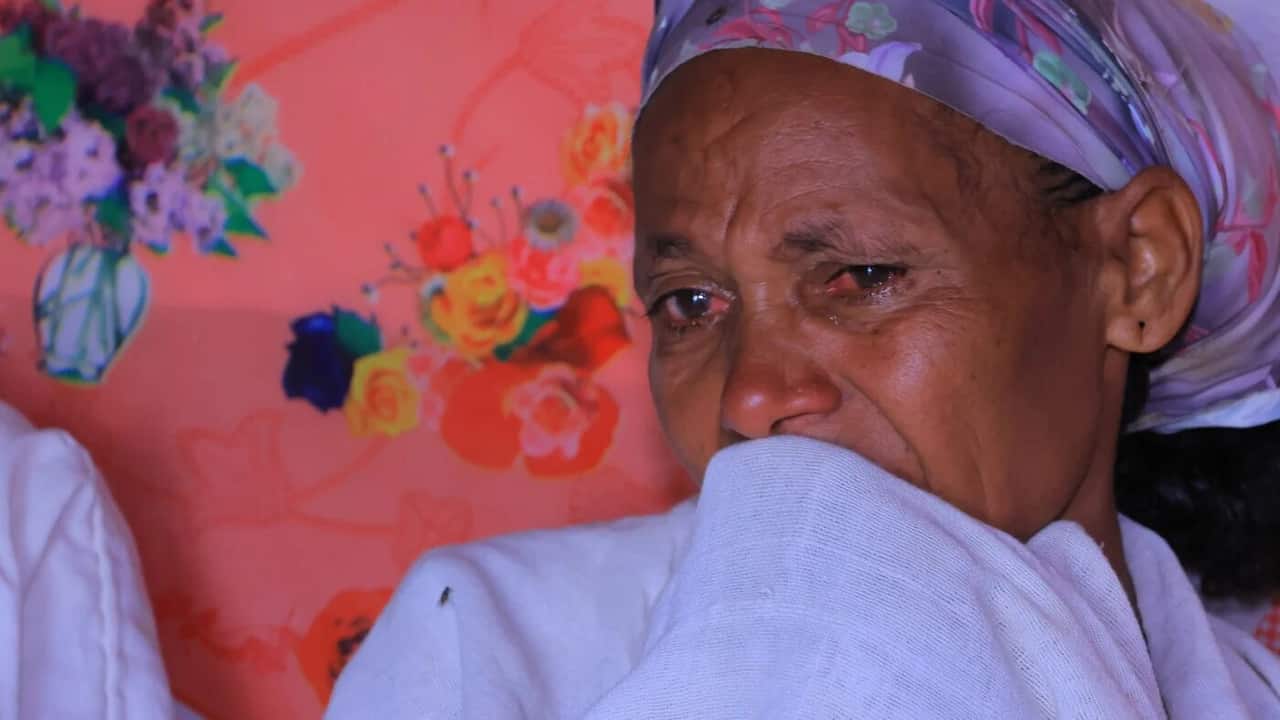
Local officials and human rights defenders estimate that as many as 200 Ethiopian citizens are on death row. Prisoners describe living in constant fear, with guards knocking on doors triggering anxiety about being called for execution. The family of Kibrom Gebremariam expressed deep grief, noting that his older brother was also killed while migrating. His mother stated, 'We anticipated Kibrom’s wedding, not his death. His murder has become an open wound for us.'