Key facts
- Somalia and Egypt signed a memorandum of understanding concerning maritime transport and ports.
- The agreement aims to strengthen international cooperation in maritime transport and ports.
- This move is seen as part of a broader geopolitical alignment involving Egypt, Eritrea, and Somalia.
- The alignment is partly a response to Ethiopia's pursuit of direct access to the Red Sea.
- Egypt has been increasing its military presence and cooperation in Somalia.
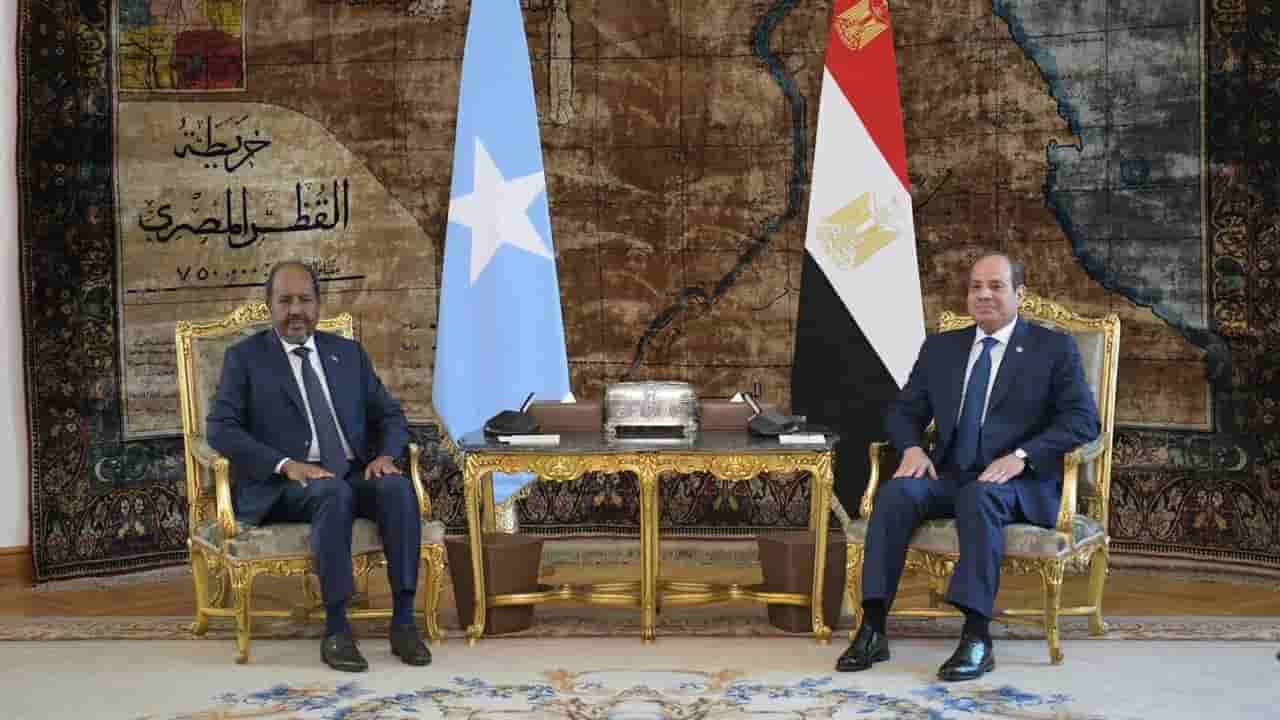
Somalia and Egypt have formalized a memorandum of understanding (MoU) focused on maritime transport and ports, a move that deepens bilateral ties and aligns with Egypt's growing strategic engagement in the Horn of Africa. The agreement, signed on Thursday, establishes a framework for cooperation between the respective ministries of transport and ports.
This development follows closely on the heels of a similar port connectivity agreement between Egypt and Eritrea in June, and a subsequent tripartite summit in October 2024 involving the leaders of Egypt, Eritrea, and Somalia. During that summit, the three nations agreed to enhance cooperation on border protection and emphasized respect for sovereignty, a statement perceived as a direct response to Ethiopia's recent MoU with Somaliland concerning naval and commercial sea access.
The growing alignment between Egypt, Eritrea, and Somalia is seen as a strategic countermove to Ethiopia's efforts to secure direct access to the Red Sea, a goal described by Ethiopian Prime Minister Abiy Ahmed as an "existential question." Ethiopia has accused Egypt of pursuing an "encirclement" strategy. Egypt has also been expanding its military footprint in Somalia, including deploying troops and conducting training programs.
The cooperation between Egypt and Somalia is expected to strengthen international collaboration in maritime transport, support Somalia's National Transformation Plan, and reinforce its role in the global maritime sector. The expanding partnership, stretching from the Gulf of Suez to the Gulf of Aden, is being characterized as an emerging "axis of power" capable of exerting diplomatic, military, and economic pressure on Ethiopia.