Key facts
- The World Health Organization declared the current Ebola epidemic in Central Africa a public health emergency of international concern.
- The outbreak is primarily in the Democratic Republic of Congo, with cases also in Uganda.
- Over 600 people have been infected and more than 130 have died.
- The current outbreak is the third caused by the Bundibugyo virus.
- The WHO warned the outbreak could take months to contain.
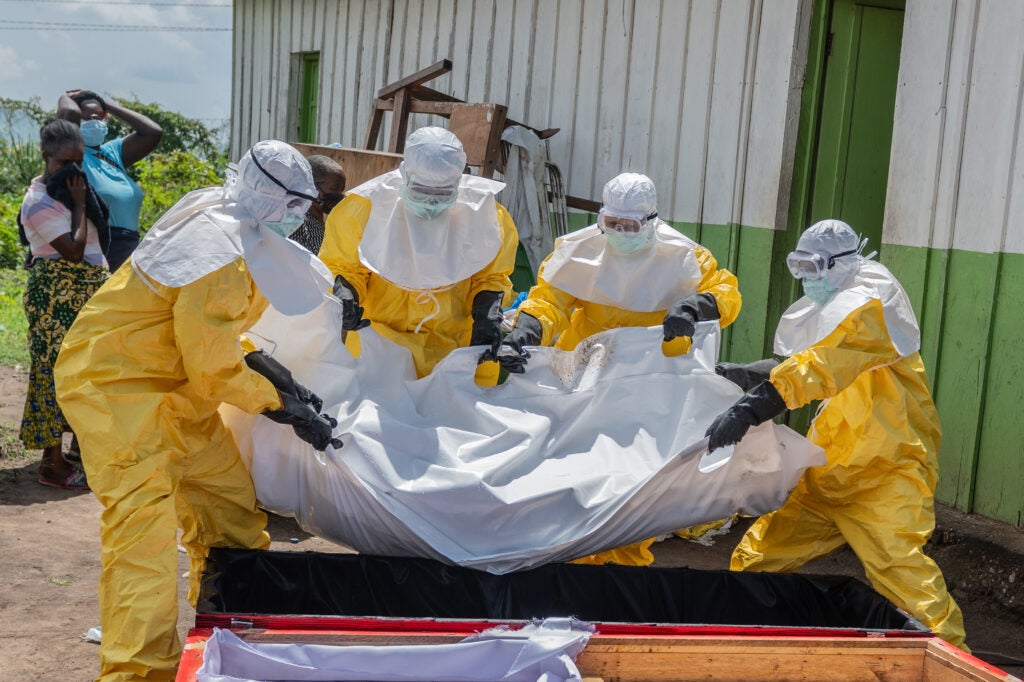
The World Health Organization (WHO) has declared the current Ebola epidemic in Central Africa a public health emergency of international concern, warning that containment could take months. The outbreak, primarily affecting the Democratic Republic of Congo (DRC) with two cases reported in Uganda's capital, has seen over 600 suspected cases and more than 130 suspected deaths. Experts believe the actual numbers may be higher, with treatment centers in eastern DRC becoming overwhelmed and health workers struggling to track transmission chains.
The current outbreak is the third caused by the Bundibugyo virus, a rare strain of Ebola, with previous outbreaks of this strain occurring in the DRC and Uganda border region. Ebola is a zoonotic disease, originating in animals like fruit bats and transmitted to humans through direct contact. Once spillover occurs, human-to-human transmission can begin through contact with bodily fluids of infected individuals or those who have recently died from the virus.
Symptoms of Ebola can initially resemble other infectious diseases like malaria or typhoid, including nausea, diarrhea, and fever. As the disease progresses, severe symptoms like massive diarrhea and vomiting, often bloody, can occur, leading to organ shutdown and shock. The mortality rate varies by strain and the quality of medical care received; the Zaire strain, responsible for the 2014-16 West Africa outbreak, had a mortality rate between 50% to 70%, while those treated in the U.S. had rates below 20%. Supportive care and targeted therapeutics, such as monoclonal antibodies, can improve survival rates.
Ebola outbreaks have historically occurred in East and West Africa, with the DRC experiencing the most outbreaks since 1976. The exact origin of spillover events remains under investigation, with suspicions pointing to contact with bats or animals that have had contact with bats. Survivors can potentially carry the virus for some time, with rare cases of transmission through semen occurring up to a year after recovery.