Key facts
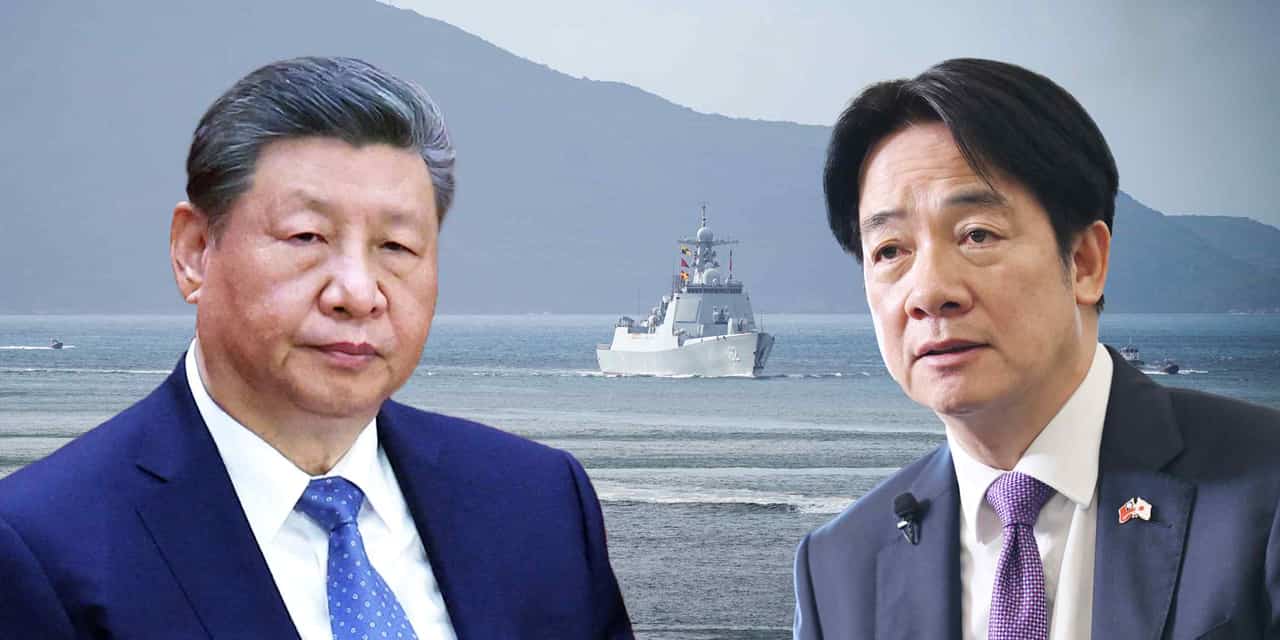
- China has intensified pressure on Taiwan through a combination of diplomatic, political, legal, and maritime actions.
- China's coast guard has conducted patrols east of Taiwan, which Beijing claims as its jurisdictional waters.
- Taiwan has condemned these patrols as illegal and a threat to regional stability.
- European nations and the U.S. have expressed concern over China's activities near Taiwan.
- China stated the patrols were a response to maritime boundary discussions between Japan and the Philippines.
China is intensifying its pressure on Taiwan through a multi-faceted strategy involving diplomatic, political, legal, and maritime actions, according to officials and diplomats. This approach is constricting Taiwan's strategic options and raising regional tensions.
Recent actions include coast guard patrols east of Taiwan, which China describes as "law enforcement patrols" within its claimed jurisdictional waters. This tactic, termed "lawfare" by Taiwan, aims to establish a legal basis for China's assertive maritime presence. Taiwan's government has strongly condemned these patrols, labeling them an illegal expansion of power that violates international law and disrupts regional stability.
Taiwan's Coast Guard is actively monitoring the Chinese vessels, stating it will employ necessary measures to expel them and ensure maritime security. This is the second such patrol in approximately a month, escalating diplomatic concerns.
International reaction has been swift, with Britain, France, and Germany expressing alarm over what they termed "novel Chinese activity" that threatens regional stability, freedom of navigation, and international shipping safety. The United States has also voiced concerns.
China has defended its patrols, with Foreign Ministry spokesperson Guo Jiakun stating they are necessary responses to maritime delimitation discussions between Japan and the Philippines, which Beijing views as infringing upon its maritime rights and interests in waters it considers its own.