Key facts
- Nato allies are divided on the extent to which the alliance should engage with China and the Indo-Pacific.
- The upcoming Nato summit is expected to prioritize the war in Ukraine and Russia.
- Some European allies are hesitant to divert resources or attention from the European theater.
- Other allies, particularly the US, want Nato to adopt a more global security role.
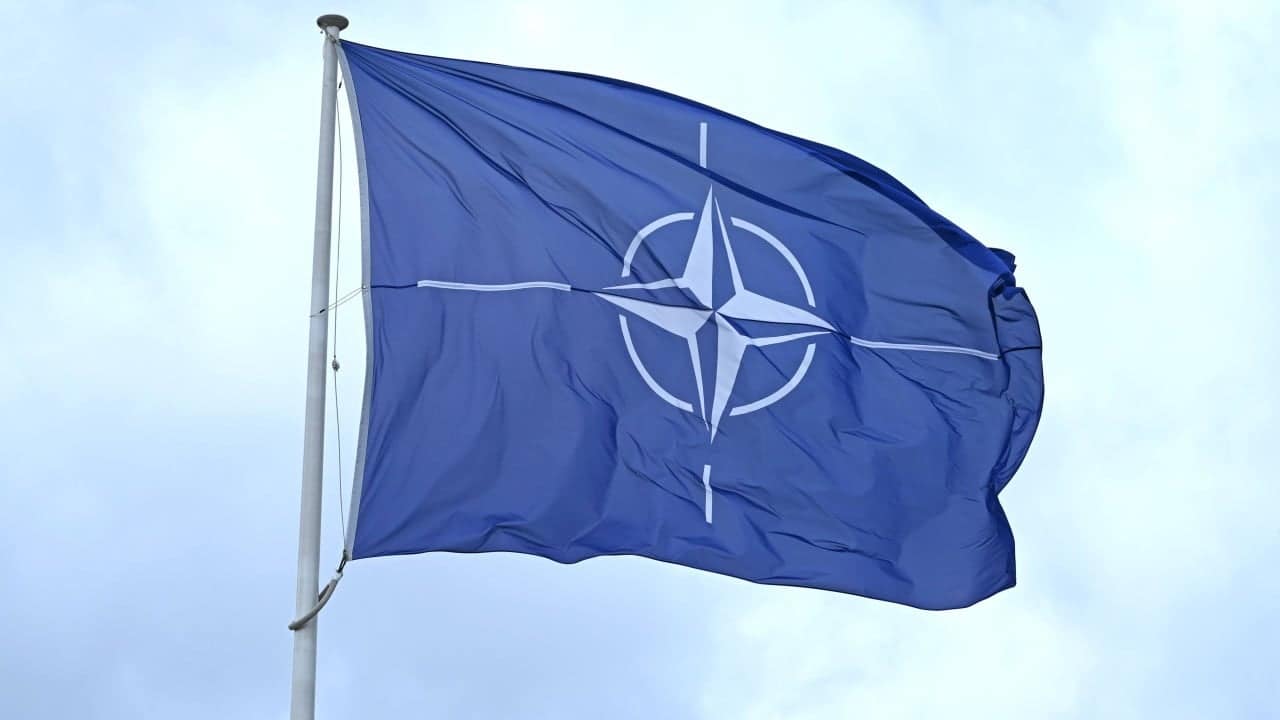
The upcoming Nato summit is likely to place the Indo-Pacific region on the back burner as member states grapple with the ongoing war in Ukraine and broader concerns about Russia. While some allies, particularly the United States, advocate for a more expansive global role for the alliance that includes addressing challenges posed by China, others, primarily in Europe, are hesitant to divert attention and resources from the immediate security concerns on the continent.
This divergence in priorities creates a complex dynamic for the summit, where consensus is crucial for Nato's strategic direction. The focus is expected to remain firmly on strengthening defenses against Russian aggression and ensuring continued support for Ukraine. Discussions about China's growing influence and potential security threats in the Indo-Pacific may be secondary, if addressed at all, due to these differing national interests and threat perceptions among member states.