All NewsEducationTV
Equities & FundsCrypto & Digital AssetsAI & TechnologyBusiness & CorporateUS Politics & PolicyGeopolitics & Global RiskMacro, Rates & FXCommodities & EnergyEuropean Politics & MarketsAsia-PacificReal Estate & Property
Story archiveAll categories
← All Stories

Belgium open to using frozen Russian assets for Ukraine if risks are shared

Created at 18 Aug · 3:46 PM1 source↑ Market-relevant
IN SHORT

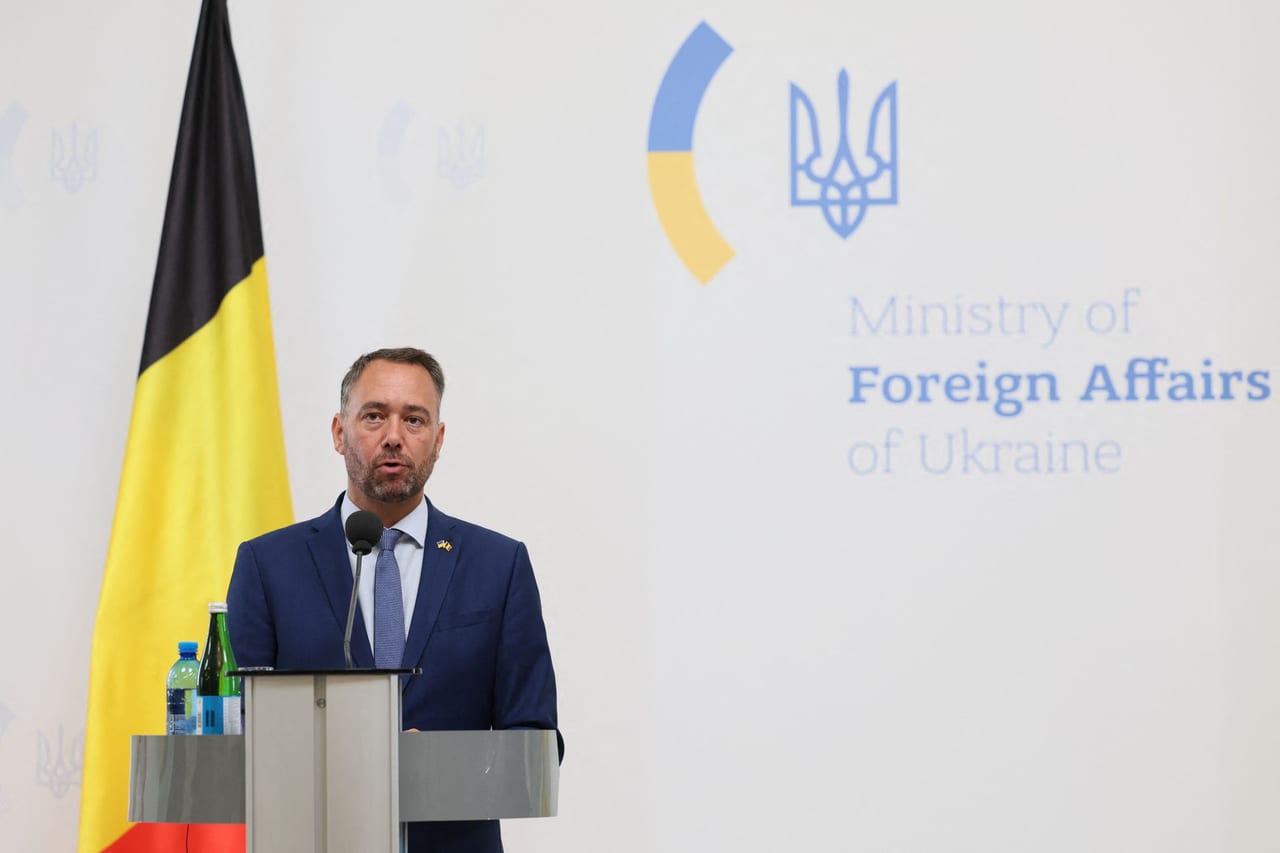
Belgium's Foreign Minister indicated support for using frozen Russian assets to aid Ukraine, provided European nations share the associated risks. This marks a potential shift from Belgium's previous opposition due to concerns over legal challenges and repayment liabilities.

Key Numbers

200 billion eurosfrozen Russian assets in Belgium
$230 billionfrozen Russian assets in Belgium (USD equivalent)
90 billion eurosEU loan for Ukraine
$104 billionEU loan for Ukraine (USD equivalent)
21stEU sanctions package mentioning safeguards
17EU member states with bilateral investment treaties with Russia

Who's Involved

Maxime Prevot
Belgian Foreign Minister signaling potential support for using frozen Russian assets
Bart De Wever
Belgian Prime Minister who previously opposed using frozen Russian assets
EU
European Union considering coordinated action on frozen Russian assets
Euroclear
Belgium-based clearing house holding most of the frozen Russian assets
Valdis Dombrovskis
EU Economy Commissioner highlighting the need to revisit Russian asset use
Belgium open to using frozen Russian assets for Ukraine if risks are shared

↳ Why This Matters

Belgium's potential shift in stance could unlock a significant source of funding for Ukraine, but hinges on broader European solidarity to manage the substantial legal and financial risks, potentially impacting international investment treaties and future asset seizures.

Key facts

  • Belgium is open to using approximately 200 billion euros of frozen Russian assets to support Ukraine.
  • This support is conditional on European countries sharing the financial and legal risks involved.
  • Belgium previously blocked a similar EU plan due to concerns about potential repayment liabilities.
  • The EU has already agreed to a 90 billion-euro loan for Ukraine financed through capital markets.
  • Belgium's hesitation stems from a bilateral investment treaty with Russia that prohibits asset expropriation.

Belgium's Foreign Minister Maxime Prevot has indicated a potential willingness to support the use of approximately 200 billion euros ($230 billion) in frozen Russian assets to aid Ukraine, provided that European nations share the associated risks. This statement suggests a possible shift in Belgium's stance, which previously blocked an EU plan in December due to concerns that Belgium might bear the sole responsibility for repaying Russia if legal challenges arose from expropriating the assets. The existing bilateral investment treaty between Belgium and Russia, signed post-Cold War, prohibits such expropriation, creating a significant legal hurdle. Prevot emphasized that any such action would require coordinated efforts among European countries, or even beyond, with pre-negotiated solidarity clauses to mitigate risks. He stressed that Belgium's hesitations do not signify a lack of commitment to helping Ukraine. Meanwhile, the EU has already committed to a 90 billion-euro ($104 billion) loan for Ukraine, financed through international capital markets, to cover budgetary needs until the end of 2027. EU officials are reportedly exploring options, including the coordinated termination of bilateral investment treaties with Russia, to find a legally sound solution that addresses Belgium's concerns and allows for the potential use of frozen assets.

Frequently asked questions

Approximately 200 billion euros ($230 billion) of Russian assets are frozen in Belgium, primarily held by Euroclear.

Belgium feared it would be solely responsible for repaying Russia if Moscow won a legal challenge against the expropriation of its assets, citing a bilateral investment treaty.

The EU has agreed to a 90 billion-euro ($104 billion) loan for Ukraine, financed through borrowing on international capital markets.

Belgium requires European solidarity, meaning other countries must share the risks associated with using the frozen Russian assets.

What Happens Next

01Further negotiations among European countries regarding risk-sharing mechanisms.
02Assessment of the legality and implications of terminating bilateral investment treaties with Russia.
03Monitoring of Russia's ongoing legal challenges against Belgium regarding frozen assets.

How It Developed

Belgium previously blocked an EU plan to use frozen Russian assets for Ukraine.
The EU agreed to a 90 billion-euro loan for Ukraine financed by capital markets.
Belgium's Foreign Minister signaled openness to using frozen Russian assets for Ukraine.
This support is contingent on European solidarity in sharing the risks.
Belgium fears it could be solely liable for repaying Russia if legal challenges arise.
The Belgian government is considering coordinated termination of bilateral investment treaties with Russia.
The EU is seeking a legally sound solution to mitigate risks associated with using frozen assets.

Sources

T1
Belgium open to using frozen Russian assets to help Ukraine if Europe shares risksThe Kyiv Independent

Related Stories

Ukraine Condemns Russian Film's Inclusion at Venice Film Festival
17 Aug · 5:46 PM
Ghana asks Russia to stop recruiting its citizens for war in Ukraine
18 Aug · 9:26 AM
Russia warns UK of war participation over drone supplies to Ukraine
18 Aug · 1:45 AM
German court convicts Ukrainian man in Russia-linked parcel bomb plot
18 Aug · 11:11 AM
Italy sees no Russian link to munitions plant blast
17 Aug · 5:50 PM