Key facts
- At least 930 people have died in the Ebola outbreak in the Democratic Republic of Congo.
The Ebola outbreak in the Democratic Republic of Congo has resulted in at least 930 deaths among 2,344 confirmed cases. Safety concerns and attacks on health facilities are hindering response efforts, with 36 health workers among the deceased.
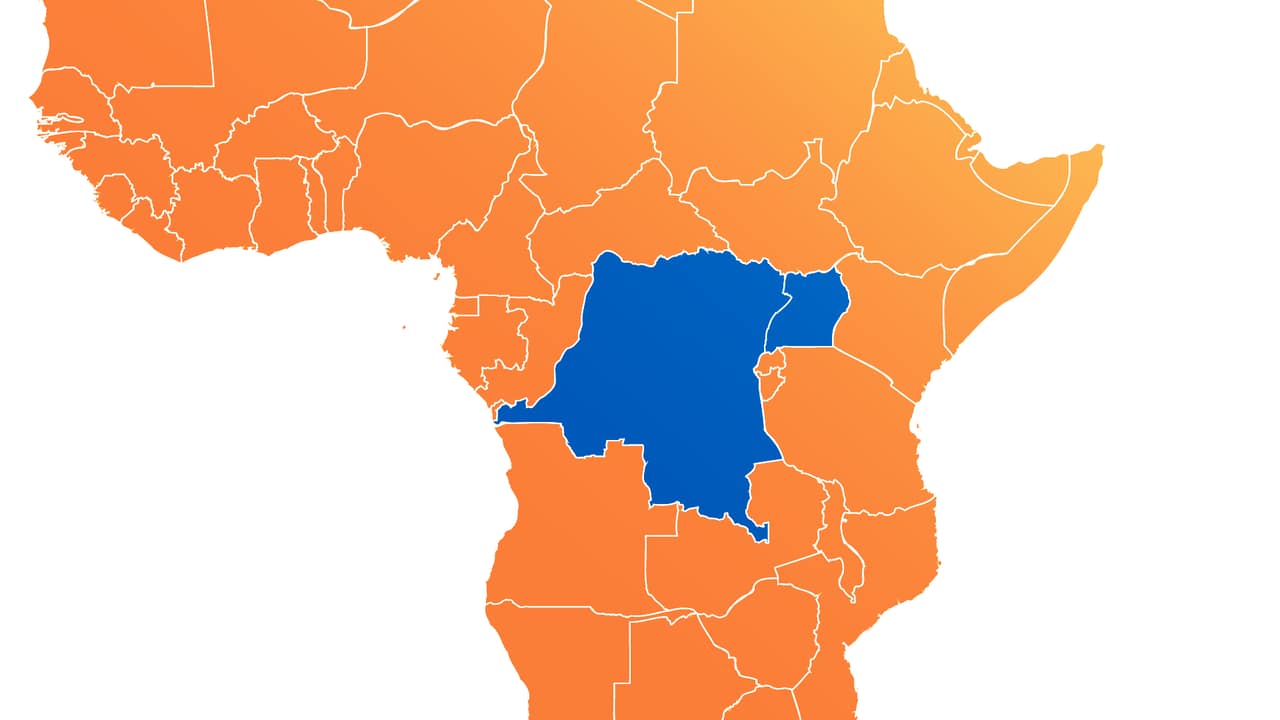
The escalating death toll and rapid spread of the Bundibugyo virus, coupled with security challenges and attacks on healthcare workers, pose a significant public health crisis in the Democratic Republic of Congo and surrounding regions.
At least 930 people have died in an Ebola outbreak in the Democratic Republic of Congo, according to the country's Ministry of Health. As of Saturday, there were 2,344 confirmed cases, with 37 new deaths recorded in the preceding 24 hours, marking one of the highest single-day death tolls. The outbreak, declared in eastern Congo on May 15, is the fastest-growing on record and is caused by the Bundibugyo virus, for which there is no approved vaccine or treatment. The surge in fatalities coincides with safety concerns that have restricted response efforts in the heavily affected Ituri province. Authorities reported at least 12 attacks against health facilities and teams since the outbreak began in mid-May. Compounding the crisis, many health workers have protested a lack of payment, and at least 36 health workers infected with the virus have died. The health ministry stated that 724 patients are currently in isolation and hospitals, and intensified response efforts are underway. Separately, the Democratic Republic of the Congo declared an outbreak of Ebola virus disease in Kasai Province on September 4, 2025, with samples confirming Ebola Zaire. This marks the 16th Ebola outbreak in the DRC since 1976. The Centers for Disease Control and Prevention (CDC) is also responding to an outbreak caused by the Bundibugyo virus in northeastern DRC and Uganda's capital, Kampala. This outbreak is spreading significantly faster than previous ones and is now the third largest on record, surpassing 1,000 cases within 40 days of response activation. The CDC recommends avoiding non-essential travel to certain provinces in DRC due to the ongoing crisis.