Key facts
- Canada will temporarily deny entry to foreigners who have been in Congo in the previous 21 days.
- The new border measures are intended to combat the spread of Ebola.
- The World Health Organization advises against travel or trade restrictions with Congo.
- WHO estimates the risk of Congo's Ebola outbreak spreading internationally is low.
- The measures are set to take effect on July 20.
The Canadian government announced on Sunday that it will temporarily deny entry to any foreigner who has traveled to Congo within the past 21 days, as part of new measures to combat the spread of Ebola. This decision contravenes advice from the World Health Organization, which has stated that travel and trade restrictions with Congo are not recommended and can hinder epidemic control efforts.
The WHO estimates that the risk of Congo's current Ebola outbreak spreading internationally is low. The organization noted in a statement last month that "People from affected regions and African communities have faced unfair suspicion," and that "The spread of Ebola is not determined by nationality or ethnicity."
The Public Health Agency of Canada stated that limiting the entry of foreign nationals who have been in Congo in the previous 21 days may reduce public health risks for Canadians. These measures are scheduled to take effect on Monday, July 20, at 11:59 p.m. EDT.
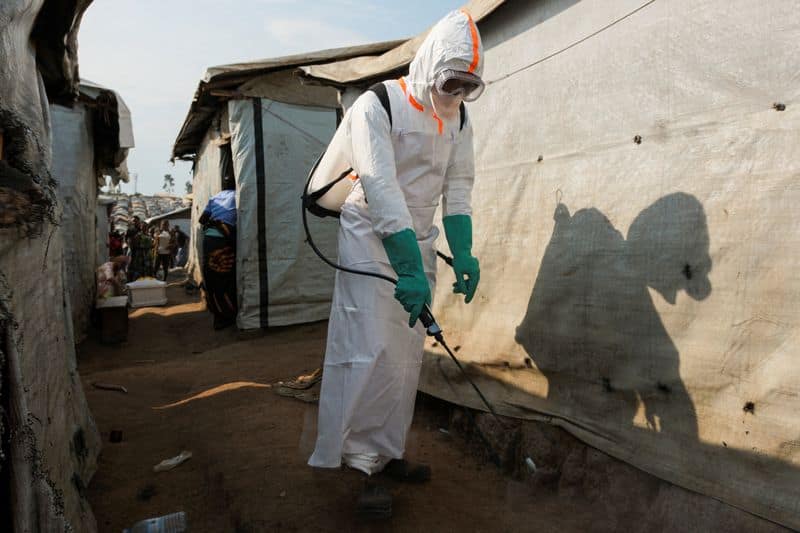
Ebola is primarily transmitted through direct contact with bodily fluids of an infected person. As of July 15, Congo had reported over 2,100 cases of Ebola, resulting in 828 deaths. Last week, the United States implemented similar measures, preventing Americans who had recently been in Congo from entering the U.S. via commercial flights. Seven American aid workers who were assisting in Congo are currently undergoing quarantine in Kenya.