Key facts
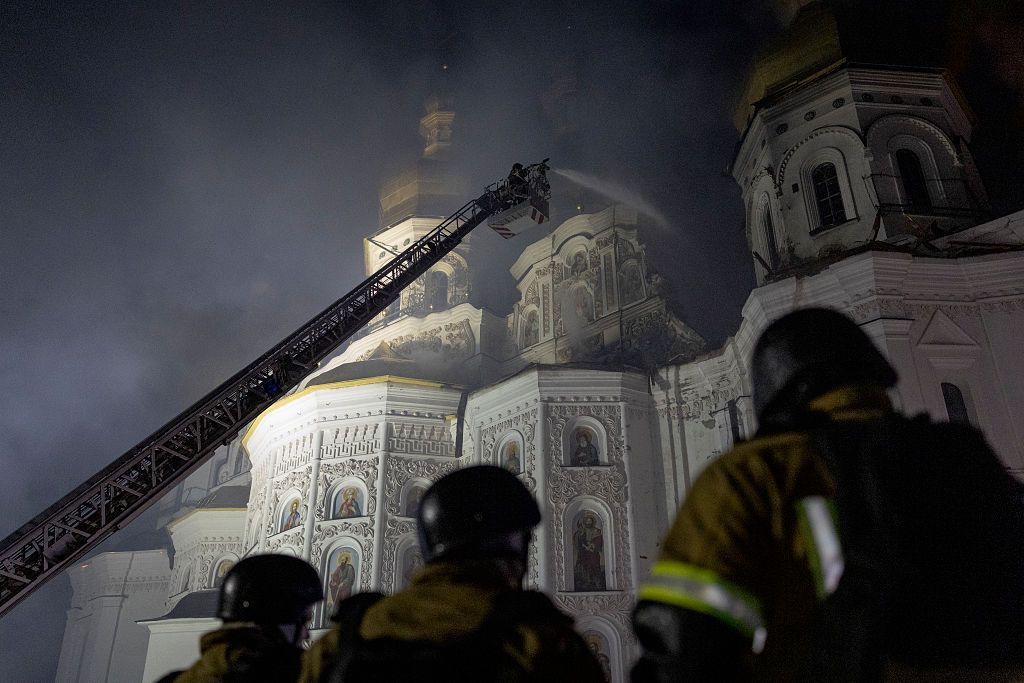
- Russia has targeted over 1,700 Ukrainian cultural heritage sites and 2,500 cultural infrastructure facilities.
- Major Western museums have historically presented Ukrainian artists as Russian.
- Russian actors have engaged in operations to misattribute Ukrainian cultural figures on platforms like Wikipedia.
- A campaign to correct these misattributions has prompted reviews and revisions at institutions like the Tate, MoMA, and the Louvre.
- The Kremlin's narrative denies the legitimacy of a separate Ukrainian nation.
Russia's ongoing military campaign in Ukraine has extended to its cultural heritage, with numerous sites and facilities being damaged or destroyed. Simultaneously, the Kremlin is accused of a sustained effort to promote Russian cultural narratives abroad, often by misrepresenting Ukrainian artists as Russian. This campaign has influenced Western cultural institutions for decades, with Russian funding and scholarship shaping collections and catalogs. Despite the invasion, these narratives persist, leading to Ukrainian artists like Kazymyr Malevych and Illia Repin being labeled as Russian in major museums. Russian actors have also reportedly manipulated information on platforms like Wikipedia to alter the origins of Ukrainian cultural figures. A campaign called the Stolen Art Campaign has been launched to combat these misattributions, leading to reviews and corrections at institutions such as the Tate, MoMA, and the Louvre, demonstrating that even with limited resources, significant impact can be achieved against these long-standing operations.